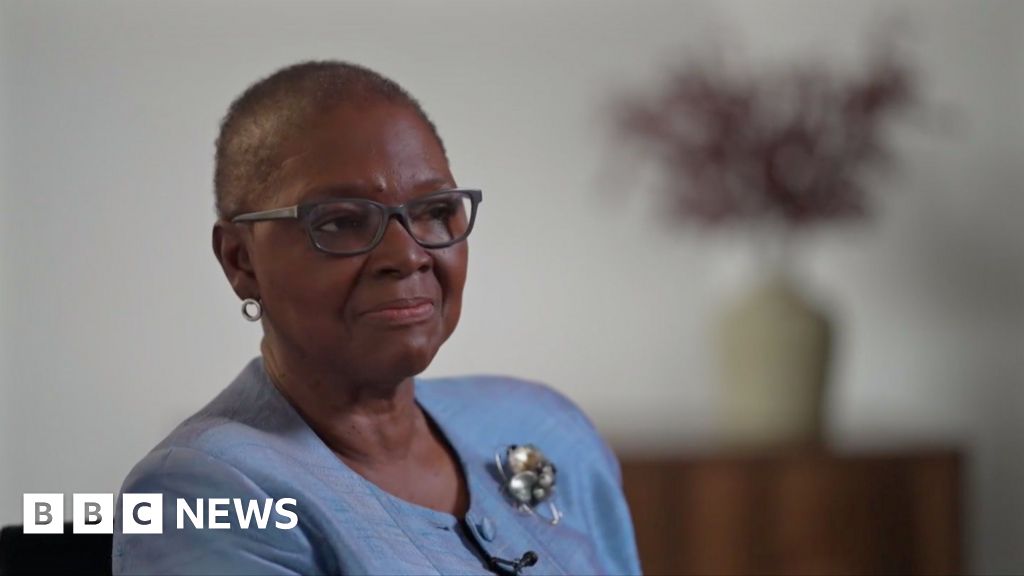
Baroness Amos has recommended establishing a maternity and neonatal commissioner as part of a government-commissioned review into UK maternity services. The call, reported by BBC News – Health, is intended to strengthen oversight and improve accountability for maternity and neonatal care.
The recommendation comes from the chair of the review and is presented as a structural change to how maternity services are governed and monitored. The BBC summary is short and does not include the full review text, so the analysis below outlines what the recommendation means in practice, what it might entail, and which questions remain unanswered.
What the report recommends
The core recommendation is that a single senior official — a maternity and neonatal commissioner — should be appointed to provide national leadership, consistent oversight and a clear point of accountability for maternity and neonatal services in the UK. The proposal is part of a wider government-commissioned review chaired by Baroness Amos and reported by BBC News – Health.
The review’s chair argues a designated commissioner could help coordinate improvements across services, highlight systemic failures and ensure learning from incidents is applied consistently. The BBC summary frames this as a response to persistent concerns about variability in outcomes and complaints about local oversight.
What a maternity and neonatal commissioner would do
A maternity and neonatal commissioner would most likely combine several functions that currently sit in different organisations. At minimum, the role could include national leadership, public reporting and a clear escalation route for failing services.
- providing national leadership and public reporting on standards and outcomes for maternity care and neonatal care;
- monitoring performance data and identifying services at risk of poor outcomes;
- issuing guidance or recommendations to NHS bodies, trusts and local systems to drive improvement;
- acting as a central contact for families and patient advocates seeking escalation when local remedies fail;
- facilitating the consistent adoption of safety recommendations after serious incidents.
Accountability could vary. The commissioner might be an independent office reporting to Parliament, a statutory post with powers to require action, or a senior adviser within the Department of Health and Social Care with persuasive but non-binding influence. The precise model will affect how quickly and effectively the role can change practice on the ground.
Gaps and unanswered questions in the report
The BBC report does not include the full review text and leaves several important questions open. Key gaps include the proposed scope of the commissioner’s remit, the legal or statutory powers envisaged, and how the role would interact with existing bodies such as regulators and the NHS.
Practical details are also missing: how the commissioner would be appointed, whether the post would be time-limited or permanent, budget and staffing, and how local health systems would be held to account. The summary also lacks reactions from NHS leaders, professional bodies or patient groups that would likely shape implementation.
Without those details, it is hard to assess whether the role would change outcomes or mainly add another oversight layer. The effectiveness of any commissioner depends on clear powers, access to data, and mechanisms to ensure local action follows national findings.
Context: current oversight of maternity and neonatal care in the UK
The UK’s maternity care landscape involves multiple organisations: trusts deliver care locally, national bodies set standards and inspectors assess compliance, and investigatory processes follow serious incidents. Critics have argued that this patchwork can lead to uneven accountability and delayed learning from mistakes.
Calls for stronger national oversight have grown after high-profile investigations and reviews found failures in communication, record-keeping and the consistent application of safety standards. Proponents of a commissioner say a single named official could provide clarity and a public focus for improvement efforts.
What comes next
Following the recommendation, the UK government will decide whether to accept the proposal and, if so, what legislative or administrative route to use. Possible next steps include commissioning a formal response from ministers, consulting NHS and stakeholder groups, and publishing a detailed implementation plan.
If the government accepts the recommendation, a timetable could include a period of consultation, drafting of any statutory measures if required, and appointment of the post. That process often takes months and may be subject to competing policy priorities and resource constraints.
Any effective commissioner will need clear powers, access to timely data and sufficient resources — only then could the role shorten the cycle between incident and system-wide change.
FAQ
What is a maternity and neonatal commissioner?
It is a proposed senior role intended to provide national oversight, co-ordination and accountability for maternity and neonatal services. The BBC report summarises the chair’s recommendation but does not provide a full job specification.
Who is Baroness Amos and what did she recommend?
Baroness Amos is chairing a government-commissioned review into maternity and neonatal care in the UK. She has recommended creating a maternity and neonatal commissioner to improve oversight and learning across services.
When might the government act on the recommendation?
The BBC item does not set a timetable. Government decisions typically follow internal consideration, stakeholder consultation and possibly legislation, so any implementation could take many months.
For readers, the important takeaway is that the recommendation aims to address coordination and accountability gaps, but its impact will depend on details not included in the BBC summary—especially the commissioner’s legal powers, reporting lines and resources.
Source: BBC News – Health. Full report summary and video: Report chair recommends maternity and neonatal commissioner.