The pregnancy sickness drug at the centre of a BBC investigation is reported to be unevenly available across NHS services, leaving some pregnant people unable to access a medicine their clinicians and they consider helpful.
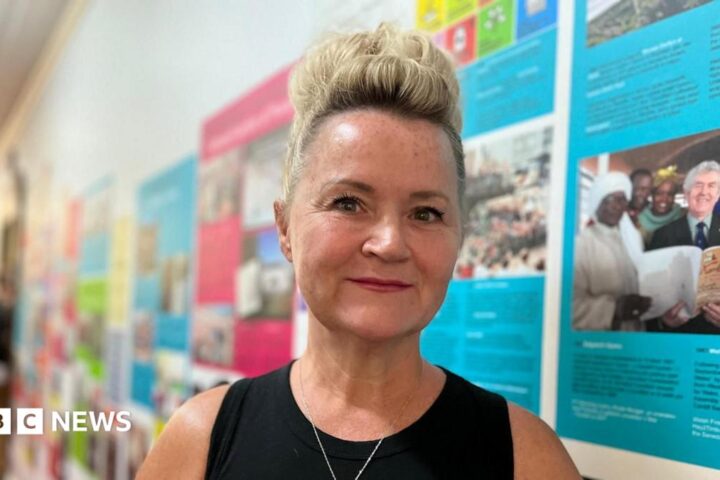
BBC journalist Linzi Kinghorn set out to understand why supply and prescribing vary. Her BBC News – Health report collected patient and clinician accounts showing local differences in how the drug is stocked, prescribed and managed.
pregnancy sickness drug: why NHS access varies
The BBC found that access can depend on where someone lives and which NHS trust, clinical commissioning group or GP practice is responsible for care. Local formularies, prescribing committees and procurement choices influence whether the medicine is routinely available, according to the reporting.
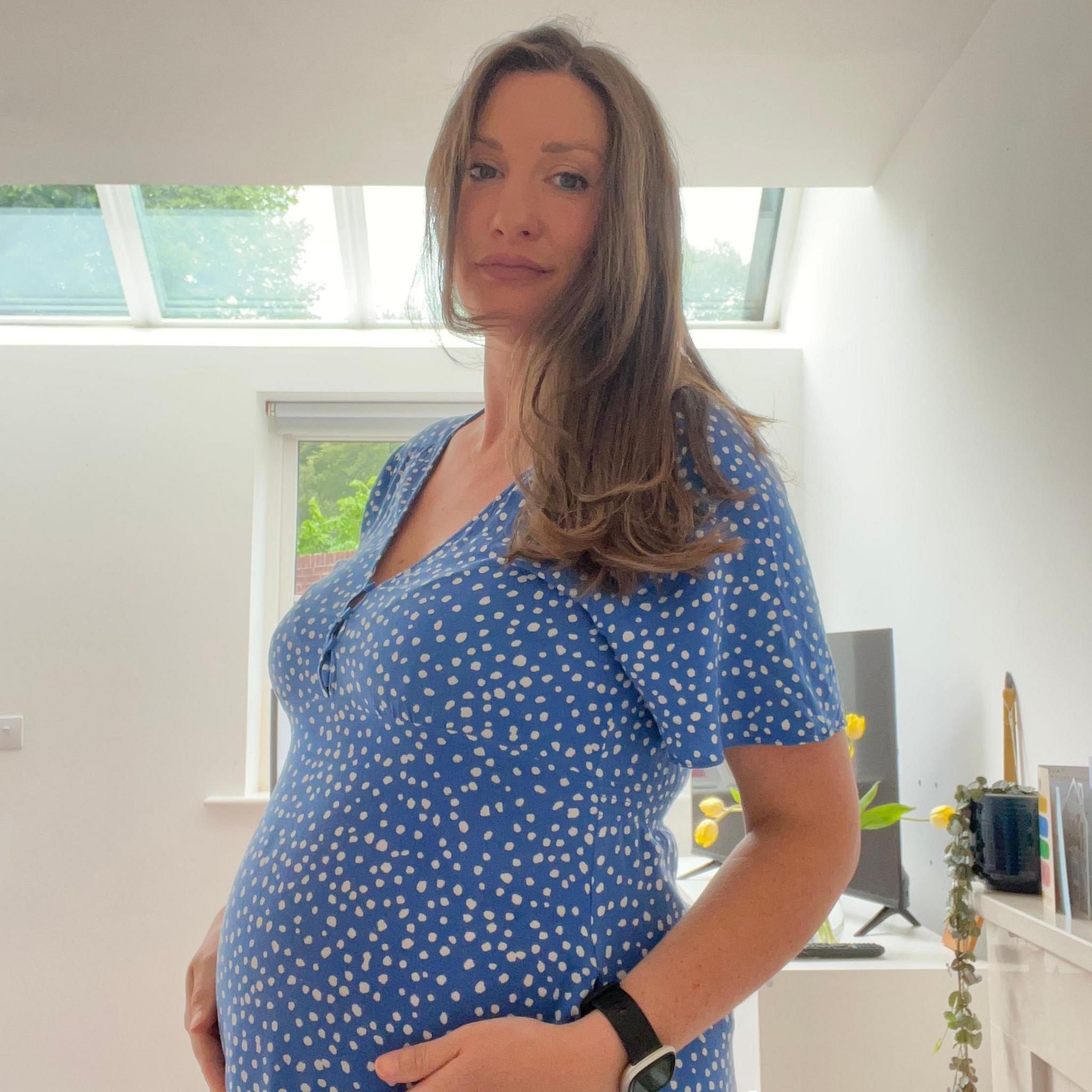
The BBC described a mix of causes: differing local clinical guidelines and formularies, decisions by prescribing committees about cost and evidence, and supply or procurement issues that affect whether pharmacies hold particular formulations. In some areas clinicians wanted to prescribe the drug but encountered local policies or stock shortages that prevented routine prescribing.
What the BBC reported
Linzi Kinghorn’s BBC News – Health piece gathered accounts from patients and clinicians reporting difficulties obtaining the pregnancy sickness drug. The story emphasised variation between areas rather than a single national ban or uniform policy; several interviews described clinicians seeking ways to help patients but being constrained by local rules or stock problems.
The BBC also noted that some services favour alternative anti-sickness medicines or non-drug approaches, and that pathways for more severe illness can differ between trusts and primary care networks.
What pregnant people and carers can do now
If you or someone you care for is affected by limited access, start by discussing symptoms and treatment options with your midwife or GP. Mention the specific pregnancy sickness drug by name if it has been recommended to you.
Ask whether your local GP practice, trust or maternity unit has a formulary or prescribing policy that affects availability, and whether an obstetric or maternal medicine opinion can be sought. The BBC reporting suggests that clinicians and patients sometimes succeed in securing prescriptions by asking about local pathways or escalation routes.
Pharmacists can confirm current stock, advise on equivalent formulations and explain likely supply waits. If you are under hospital care, contact the maternity unit to check their approach. Keep a record of conversations and prescription attempts if you need to escalate the request within the NHS.
For official self-care advice and guidance on when to seek medical help, see NHS guidance on morning sickness and hyperemesis: NHS – Morning sickness and NHS – Hyperemesis gravidarum.
Why it matters
The BBC report matters because unequal local access can leave people with worse symptoms or needing to seek alternative treatments that may be less effective for them. The investigation highlights how differences in local policy and supply can translate into unequal patient experiences across the NHS.
Policy context and what this means for services
The variation described by the BBC sits within a system where national guidance, local commissioning and trust-level policies interact. Decisions about safety, evidence and cost-effectiveness typically sit with national bodies, but implementation and day-to-day prescribing are often managed locally.
The BBC’s reporting suggests that clearer national guidance or review by NHS bodies could reduce regional differences, but such processes generally require time to review evidence and funding considerations. Until then, local formularies and prescribing committees will continue to shape access.
For clinicians, the BBC article underlines the importance of explaining local policy decisions to patients, discussing alternatives transparently and documenting shared decision-making when prescribing choices are constrained.
Source and how we reported this
This article summarises reporting by Linzi Kinghorn for BBC News – Health. The original BBC piece, published on 29 June 2026, explored patient and clinician accounts and examined how NHS arrangements can lead to different access outcomes.
Read the BBC report: Why is pregnancy sickness drug not easily accessible to all? — BBC News – Health (published 29 June 2026).
We have presented the BBC’s findings and suggested practical steps based on commonly available NHS routes (GP, midwife, pharmacy, hospital). The claim that the pregnancy sickness drug is not always accessible reflects reported cases and local variability; treat it as a reported finding rather than evidence of a nationwide ban.
FAQs
Why is this pregnancy sickness drug not always on the NHS?
According to BBC reporting, local prescribing decisions, formularies, procurement and differing interpretations of the evidence can all affect whether a drug is routinely stocked and prescribed in a given area.
What alternatives are available if the drug is not supplied?
Clinicians may suggest other anti-sickness medicines or non-drug measures depending on symptom severity and individual clinical needs. Discuss options with your GP, midwife or hospital clinician to find a suitable alternative.
How can I check if my local NHS offers this medication?
Ask your GP practice, midwife or local pharmacy whether they supply the specific pregnancy sickness drug. If you are under hospital care, contact the maternity unit and request information on formulary status or local prescribing policy.
Source: Reporting by Linzi Kinghorn, BBC News – Health (publication date: 29 June 2026). Original article: https://www.bbc.co.uk/news/articles/cy8w5w095vxo?at_medium=RSS&at_campaign=rss