Spain and Gibraltar have ended 118 years of formal checkpoint controls — the Gibraltar border controls removal begins a new phase of freer routine movement between the UK territory and Spain. The change came into effect immediately, with authorities stressing phased implementation and monitoring as officials and businesses assess the practical effects.
The removal of formal border checks marks the end of a long-standing administrative barrier that shaped cross-border travel and trade for generations. Early reactions from local officials and business groups show cautious optimism about reduced queues, easier commutes and potential uplift in visitor spending.
What changed at the Gibraltar-Spain border
The move eliminates routine checkpoint controls in many lanes and crossings that had been in place for 118 years between Gibraltar and neighbouring Spain. While security and customs cooperation will continue in different forms, the everyday identity checks and formal stops familiar to many commuters will be scaled back.
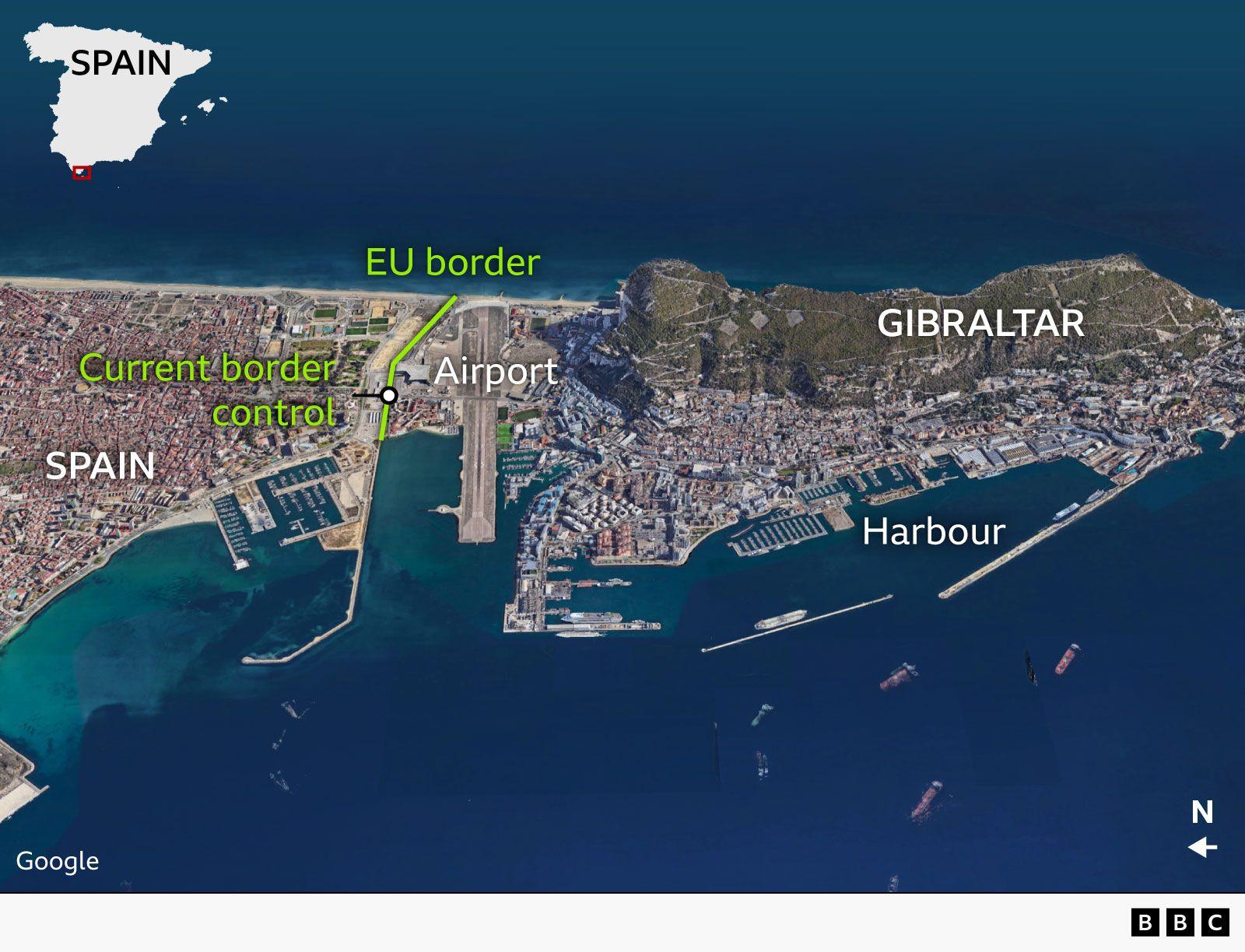
Authorities describe the decision as a bilateral step to normalise daily movement for workers, shoppers and service providers who cross the frontier regularly. Operational details vary by time of day and by lane; some targeted checks and traffic management measures will remain to protect public safety and enforce customs rules where necessary.
How Gibraltar border controls removal could boost Gibraltar’s economy
Local officials and business representatives say freer movement could increase footfall in Gibraltar’s retail and hospitality sectors by removing a friction point for shoppers and day visitors. Reduced waiting times for commuters can translate into more frequent trips across the border and longer shopping or leisure visits.
Economically, the most immediate gains are expected in businesses located close to the frontier — shops, cafes and transport services — where reduced delay directly affects customer numbers and turnover. Over a longer horizon, improved accessibility could make Gibraltar more attractive for small-scale investments that rely on cross-border staff or customers.
Analysts caution, however, that an economic boost is not guaranteed. Currency differences, tax and regulatory divergences, and broader tourism patterns will shape outcomes. Structural constraints — such as limited commercial space in Gibraltar and the territory’s existing tax and regulatory environment — mean benefits may be unevenly distributed.
Short-term measurable effects could include lower informal costs from delays, time savings for daily commuters and modest rises in weekday retail sales. Medium-term outcomes depend on how businesses adapt, whether transport operators increase services, and if marketing or incentives draw more visitors into Gibraltar rather than simply shifting travel timing.
What residents and businesses should expect
Commuters crossing from Spain into the UK territory should see shorter queues and fewer routine identity checks in many crossing points, improving predictability for daily travel. That may return time to workers’ days and reduce stress around punctuality.
For traders, important distinctions remain: customs and excise obligations continue for goods moving between jurisdictions. Businesses should continue to follow guidance on customs declarations, VAT treatment and any sanitary or phytosanitary rules that apply to specific products. Transport and logistics firms will need to maintain compliance processes even as passenger movement becomes simpler.
Public services including health and education that interact with cross-border users will monitor demand. Local authorities on both sides have signalled readiness to adjust staffing, signage and schedules if daily flows change materially, and to coordinate where problems arise at busy times.
Local perspectives and practical examples
Retailers near the frontier report cautious optimism: easier movement could encourage more weekday visits from Spanish shoppers who previously avoided crossings during peak delays. Hospitality venues say even small increases in midday trade can meaningfully affect turnover.
Transport operators expect incremental growth in passenger numbers on cross-border routes but stress that sustained recovery depends on consumer confidence and economic conditions in the wider region. Some operators plan to monitor demand for several months before adjusting timetables.
What comes next and official sources
What comes next will centre on practical monitoring and coordination. Governments on both sides have outlined immediate actions: operational reviews at key border points, data collection on flows and regular coordination meetings to tackle any logistical or legal issues that arise.
Authorities have committed to issuing updates if checkpoint procedures change or if complementary measures are introduced, such as new signage, lane reconfiguration or targeted staffing at busy times. Stakeholders should expect periodic briefings from local government and border agencies as implementation progresses.
Key takeaways
- The Gibraltar border controls removal ends a 118-year-old practice and establishes freer routine movement between Gibraltar and Spain.
- Free movement may provide an economic boost, especially for border-area businesses, but benefits are not certain and depend on wider economic factors and regulatory arrangements.
- Commuters should see more predictable crossings; traders must remain alert to customs and regulatory rules that still apply to goods.
Frequently asked questions
When did the border controls end?
The controls were lifted as part of the recent bilateral decision; implementation began immediately when the announcement took effect. Officials call it the end of 118 years of formal checkpoint routines.
Will this allow free movement between Gibraltar and Spain?
The change removes routine border checks for many crossings and establishes freer everyday movement for people. Some security and customs processes related to goods and specific activities will continue under existing agreements.
Does this guarantee an economic boost for Gibraltar?
No. While officials and local stakeholders hope freer movement will increase visitors and spending, the economic impact depends on consumer behaviour, regulatory differences and broader economic trends.
Source: BBC News – Business. For official reporting and further details see the BBC article: BBC News – Business: New era for Gibraltar with removal of 118-year-old border controls with Spain.