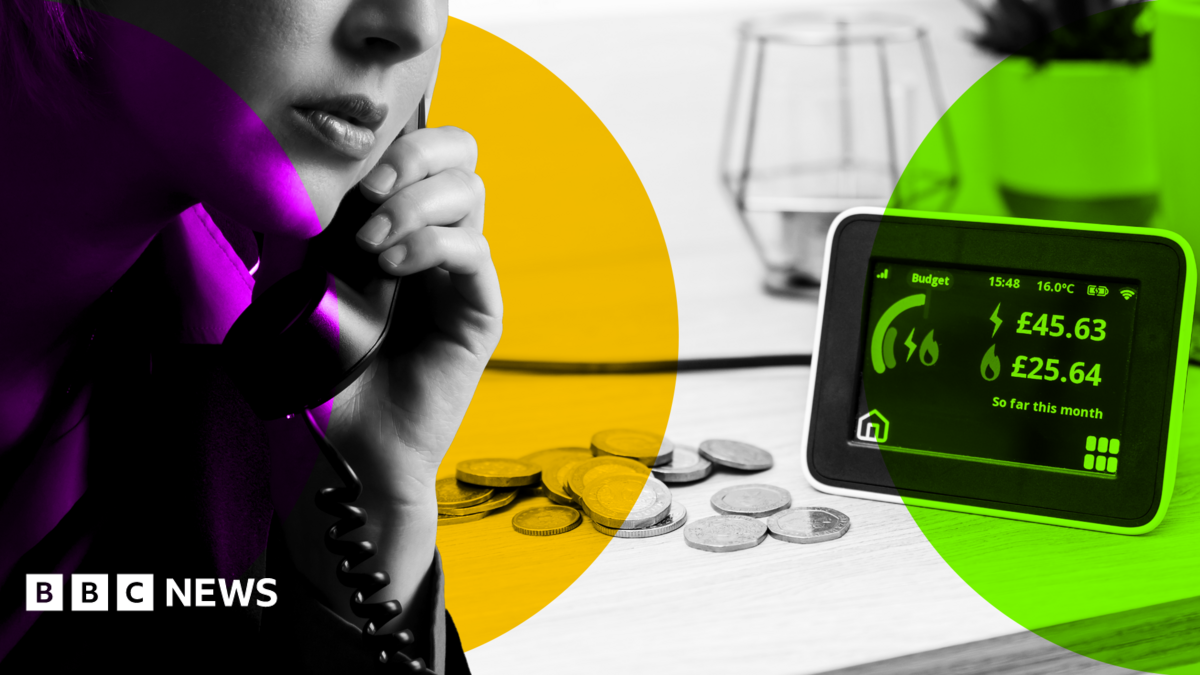
Switching to save money is now simpler than many people realise, BBC News reports, and that can make a real difference to household bills. This explainer walks through clear, low-risk steps to compare and move broadband, energy suppliers and bank accounts so you can act quickly and confidently.
Start with a quick scan of your current deals, recent bills and next billing dates. Knowing those facts keeps the process straightforward and reduces the chance of unexpected fees or overlap.
Why switching to save money is simpler now
Regulatory updates, clearer switching processes and improved comparison tools mean switching is less painful than in the past. For many customers, the new provider can now handle administrative tasks on your behalf rather than you contacting every company involved.

The BBC News piece highlights that these improvements cover broadband, energy suppliers and banks. That makes it easier to shop around and compare offers without a long, drawn-out process.
Why it matters
Even modest monthly savings add up over a year. A small reduction in a broadband or energy bill can free up cash for essentials or allow you to build short-term savings.
Switching can also prompt providers to improve customer service or offer retention deals, so the act of checking your options often delivers immediate benefits beyond the headline price.
Quick checklist to compare deals
- Check your contract end dates and any exit fees so you know timing and costs.
- Gather two to three recent bills to compare actual costs, not just advertised rates.
- Use a reputable comparison site or the provider’s published switch tool to shortlist offers.
- Confirm installation, activation or setup charges and any promotional credits.
- Check billing details such as direct debit discounts, paper billing fees and typical usage assumptions.
- Look for any loyalty benefits or account features you currently rely on (eg, bundled TV or cashback).
How to switch providers: step by step
Broadband, energy and bank switches share practical steps. Below are concise actions for each sector so you can move confidently and limit disruption.
Broadband
1) Check your current router, contract end date and any exit fees. 2) Compare speeds, data limits and monthly cost using your latest bills. 3) Confirm whether the new provider will handle the transfer and whether an engineer visit or new router is needed. 4) Schedule the switch for a date that avoids service gaps and keep confirmation emails until the transfer is complete.
Energy supplier
1) Read your latest meter reading and billing history so comparisons reflect real usage. 2) Compare tariffs by total annual cost; decide between fixed and variable options based on risk tolerance. 3) Provide the new supplier with a final meter reading on the day of the switch to ensure correct final billing. 4) The new supplier normally notifies the old one and manages the transition, but keep records of readings and confirmations.
Bank
1) Check for notice periods, account closure conditions and any linked products. 2) Compare accounts for fees, interest, benefits and the value of introductory offers. 3) Use the bank’s official switching service where available; it typically transfers direct debits and standing orders automatically. 4) Keep both accounts open for a short overlap to confirm all payments have moved and to catch any missed items.
Short examples: broadband, energy and banks
Broadband example: A household with a year remaining on a high-price plan compared alternatives and found a similar-speed package with a promotional offer that reduced the monthly cost by roughly one-fifth after installation credits were included.
Energy example: A household switched to a fixed-rate tariff after reviewing options. The move reduced exposure to short-term price spikes, although they accepted a 12-month commitment in exchange for predictability.
Bank example: A customer used the formal switching service to move current accounts. Within about a week most direct debits and standing orders were transferred automatically, and the customer kept both accounts open briefly to confirm everything settled.
Common pitfalls and how to avoid them
No guarantees of savings: A lower headline price does not always mean a lower annual bill. Compare using your typical usage and recent bills to estimate true savings before switching.
Exit fees: Watch for early termination or exit fees. Sometimes a one-off charge can be worth paying if the long-term savings are large, but always run the numbers.
Billing and timing: Mistimed switches can cause double billing or temporary service gaps. Note billing cycles, give final meter readings and confirm start dates with the new provider to avoid surprises.
Data and account links: When switching banks, check where payments and subscriptions are linked. Allow a short overlap to avoid missed payments and monitor statements until you are confident everything has moved.
What to do next
1) Check your deals: gather two to three recent bills for each service and note contract end dates. 2) Compare using a trusted comparison site or the provider’s switching tool and shortlist two or three credible options. 3) If a switch looks worthwhile, follow the provider’s published process so they can manage the transfer and keep confirmation emails and final readings.
These checks take a bit of time but can reveal substantial savings. Keep records of confirmation emails, final meter readings and any reference numbers in case you need to query a bill later.
Frequently asked questions
How do I switch broadband provider?
Compare speeds and total costs, check your contract end date and any exit fees, then sign up with the new provider. Most providers handle the transfer; confirm whether an engineer visit or new equipment is needed and book a date that avoids losing service.
Will switching always save me money?
No. There are no guarantees of savings. Compare your actual usage and recent bills to any new deal and include one-off charges or incentives to estimate the true benefit before you switch.
How long does a switch usually take?
Times vary by sector: bank switches using official services can be resolved in about a week; energy and broadband switches typically take days to a few weeks depending on installation needs and billing cycles.
Source: BBC News – Business. Original reporting: Why switching to save money is easier than you might think.