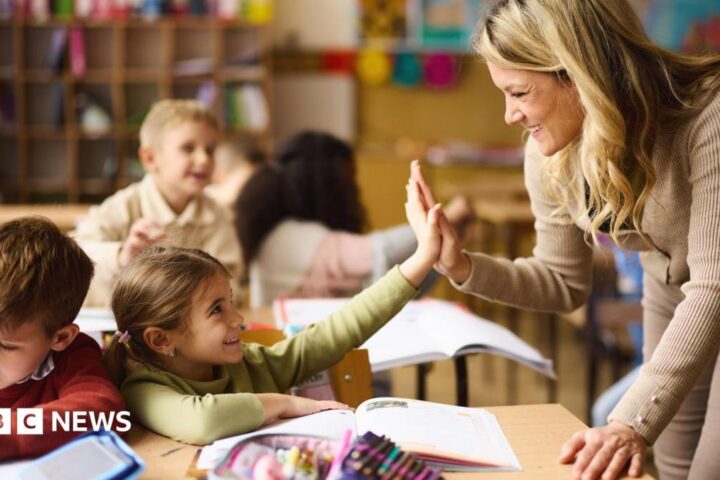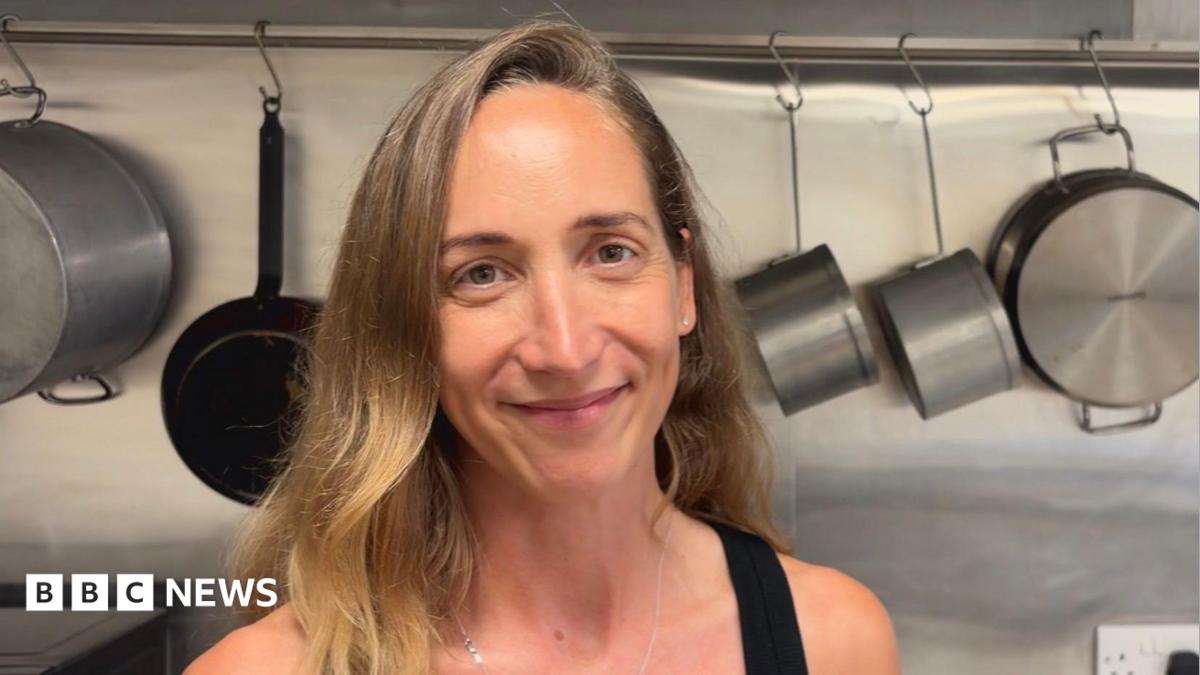
A new scheme of parent cooking classes aims to help parents learn practical, healthy recipes that are quick to cook and family friendly. Participants told BBC reporters their confidence in the kitchen increased, according to BBC reporting; the article does not identify individual speakers or publish independent outcome data.
Context/paraphrase: The paragraphs that follow summarise BBC reporting and add general contextual information about this kind of community cooking work. Where the BBC report did not provide details — for example on organisers, funding or long-term outcomes — this is clearly noted.
What the scheme offers
The course described in the BBC item is presented as a short, practical set of sessions aimed at parents. Reported aims include teaching simple, affordable dishes that fit into a busy week, introducing basic kitchen skills and offering time-saving approaches such as batch-cooking and repurposing leftovers.
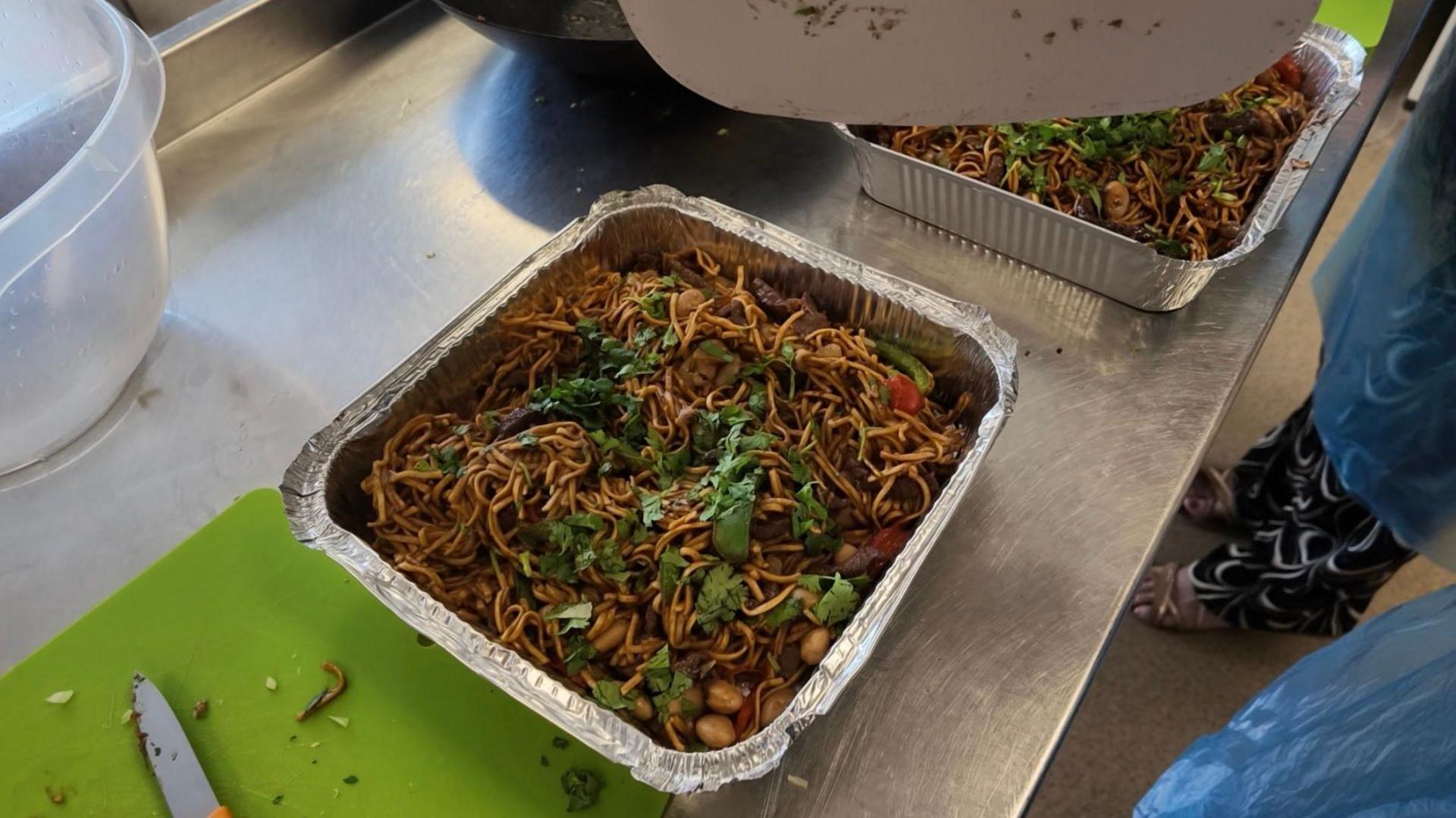
The coverage emphasises healthy recipes built around everyday ingredients rather than specialist techniques. Sessions are described as practical and hands-on: participants watch demonstrations, then try recipes under supervision and share what they have made. The report frames the programme as focused on convenience and nutrition rather than culinary training.
Parent cooking classes: what parents learn
Typical lessons in schemes like this, as described in the report and in general practice, centre on repeatable skills: safe food handling, simple knife work, quick one-pot or tray-bake meals, and ways to add more vegetables into dishes children will accept. Organisers aim to show swaps and shortcuts that cut prep time without sacrificing nutritional value.
Classes often teach a small set of adaptable recipes parents can repeat at home. A single session might cover a basic protein-and-veg dinner, a simple sauce or dressing to change flavours, and tips for turning dinner leftovers into a different meal the next day. The emphasis is on convenience — recipes that can be made on weeknights with limited equipment and modest ingredient lists.
Note: the BBC reporting used for this explainer did not list full class curricula or give verified examples of every recipe taught; the description above combines what was reported with commonly used practices in community cookery courses to give practical context.
Why it matters
Supporters of parent cooking classes say short, practical courses can lower barriers to preparing healthier meals, especially for families with limited time or budget. Learning a few reliable recipes and simple techniques may help parents provide more balanced meals and reduce dependence on ultra-processed convenience foods.
Participants in the BBC piece said the sessions improved their confidence in the kitchen, according to the report. However, the article does not provide names of speakers, participant numbers, or independent measures of dietary change. There is no detailed information in the BBC report about who runs the scheme, how it is funded, its geographic scale, or whether outcomes have been tracked over time.
That lack of detail matters when assessing impact. Community cookery work can be valuable, but robust evaluation — including follow-up on whether families sustain changes — is necessary to demonstrate long-term benefits. Readers should treat the reported confidence gains as participant feedback rather than proven outcome data.
How to join or find classes
Where to find listings: check local council and public-health websites, community centres, children’s centres, and adult-education providers. Charities, food‑education groups and some health services also run or signpost family cooking sessions. Supermarkets and cooking schools occasionally run family workshops too.
Cost varies. Some community or charity-run classes are free or subsidised, while others are offered at a small charge through local adult-learning services. The BBC report does not disclose the funding model or cost for the scheme it described; if cost is a concern, ask providers about subsidies, bursaries or referral routes that may lower fees.
Before booking, ask organisers about session length, class size, whether children can attend, ingredient costs, and whether recipes are shared in a take-home format. If you need childcare or accessibility support, check that these needs can be accommodated.
Practical next steps for parents
Start small: look for a one-off taster workshop or short course to see whether the format suits you. Bring a friend if that makes you more comfortable. Take notes or ask for printed recipes so you can replicate dishes at home, and focus on building a small rotation of go-to meals rather than trying to learn many new dishes at once.
At home, use simple practices taught in classes: batch-cook a base ingredient (rice, pasta, a roast vegetable), repurpose leftovers across meals, and keep a small set of store-cupboard staples (canned tomatoes, beans, dried pasta, basic spices) to make quick healthy meals easier.
Parent cooking classes can offer practical skills and convenience-focused recipes for busy families. According to BBC reporting, participants said their confidence grew, but the report gives no detailed data on organisers, funding or long-term outcomes. Start with a local taster, check costs and supports, and use take-home recipes to build a small, repeatable meal plan.
Source and next steps
Source: BBC News – Business. Original BBC reporting for this explainer: Parent cooking classes ‘built my confidence’. For broader coverage of business and community programmes see the BBC Business page: https://www.bbc.co.uk/news/business.
Readers seeking the most up-to-date or detailed information should consult the original BBC article and contact local providers directly for specifics on organisers, costs and any evaluation of outcomes.