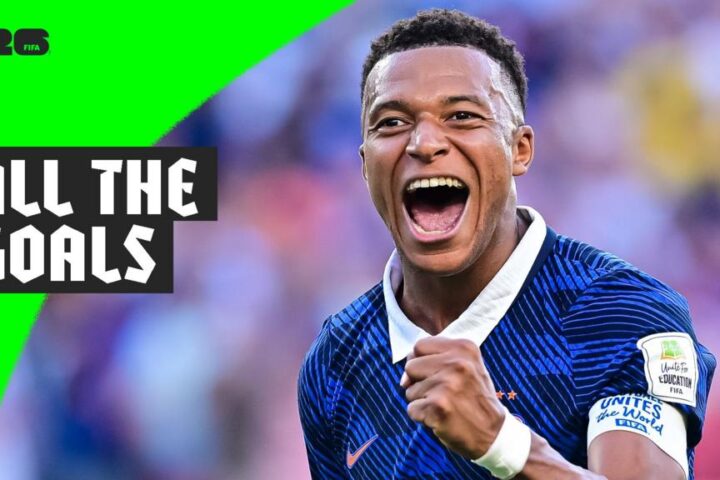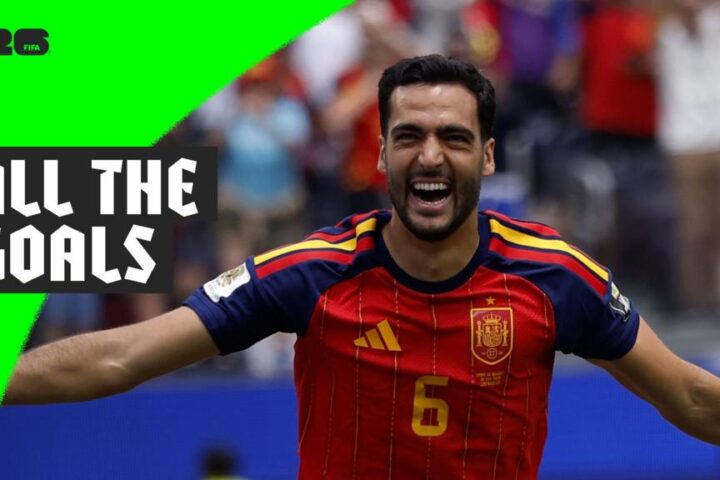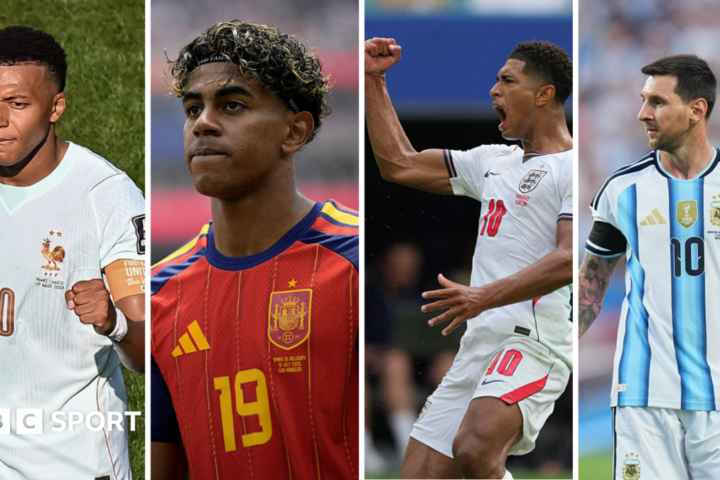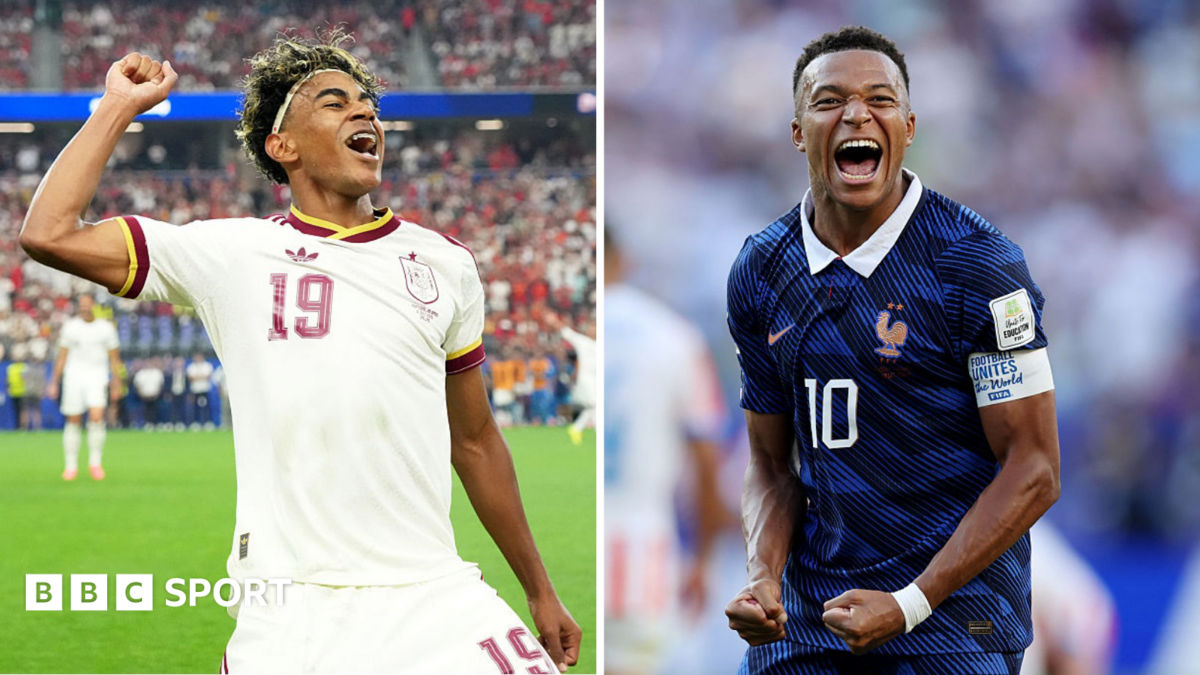
France v Spain World Cup fans face a high-stakes World Cup semi-final that will test two contrasting football philosophies. According to BBC Sport, the match is framed as a duel between Kylian Mbappe and Lamine Yamal for a place in the final, but the outcome will hinge on team structure, set pieces and how each side handles key match states.
The game presents a classic balance: France’s direct attacking options and high-speed transitions against Spain’s control-minded possession and creative wide play. This preview outlines likely tactical setups, a player spotlight, the match-ups to monitor and practical viewing information.
Match preview: France v Spain World Cup
France enter the semi-final with an attacking roster built around pace, forward movement and options from both wings. Their most reliable patterns have come through quick transitions that displace defensive lines and create one-on-one situations for attackers. Expect France to look for vertical passes that put their pace carriers into space and to use wing overloads to stretch Spain’s back line.
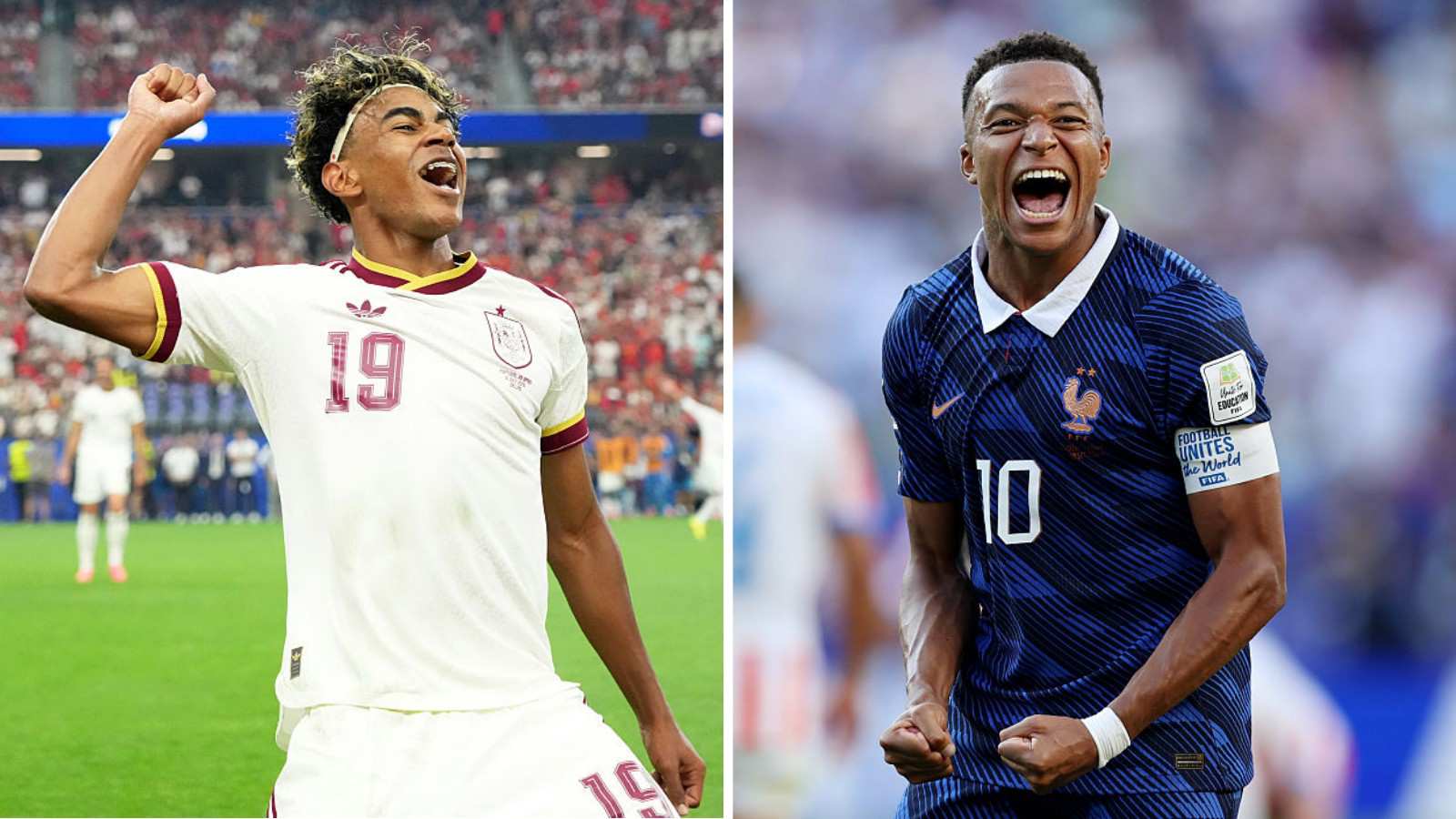
Spain’s approach centres on possession sequencing, patient circulation and wide creativity. Their midfield structure aims to control tempo, move opponents laterally and create diagonal passing lanes into attacking channels. Young wide players have featured in Spain’s attacking rotations, offering direct dribbling and low crosses to complement a midfield that prefers to probe and open compact defences.
Both managers are likely to pick balanced formations that mitigate the other’s strengths. France will need to manage possession better than in some earlier matches to avoid surrendering long spells of Spanish control; Spain must find ways to convert territorial dominance into shots and clear chances. Set pieces and transitional moments could decide a tightly fought tie.
Player spotlight: Kylian Mbappe and Lamine Yamal
Kylian Mbappe is France’s principal danger in open space. His combination of acceleration, timing of runs and finishing ability makes him especially threatening when given room behind defenders. Defending teams commonly try to compress the channels he exploits or double up on service into his preferred zones; how France create those pockets of space will shape Mbappe’s influence.
Lamine Yamal has emerged for Spain as a creative wide option capable of quick dribbles, incisive deliveries and dangerous set-piece involvement. Operating in tight corridors and linking midfield with attack, he offers moments of directness that can unsettle rigid defensive shapes. Yamal’s capacity to combine with overlapping full-backs and midfield runners will be a key route for Spain to generate chances.
Framing the match as Mbappe versus Yamal is a tidy narrative device, but the semi-final will hinge on collective patterns. France’s success will depend on how teammates supply Mbappe and how well France manage Spain’s midfield circulation; Spain’s threat is as much about coordinated sequences as individual runs. Substitutions and how coaches react to game states will also shape individual roles.
Key match-ups and what to watch
- Set pieces: Both sides are likely to treat corners and free-kicks as decisive moments. In a tight semi-final, dead-ball routines or defensive lapses from set plays can produce the match-winning moment.
- Wide play: How Spain’s wingers and full-backs combine to stretch France will be telling. Conversely, France’s wing-backs and inside-forwards will seek to create overloads on the flanks and pull Spanish defenders out of position.
- Counter attacks: Rapid transitions are where Mbappe is most dangerous. Watch how Spain set up to recover quickly and how France attempt to exploit any loose defensive balance after turnovers.
- Midfield contests: Control of second balls and loose possession in midfield can determine which team sustains attacking pressure. Whichever side wins repeated midfield duels is likelier to control tempo and create higher-quality chances.
- Substitution patterns: Managers often change the match from the bench. Late attacking substitutions, a shift to a more defensive shape to protect a lead, or a tactical tweak to exploit fatigue will be critical between the 60th and 80th minutes.
Tactics and recent form
France’s recent knockout matches have highlighted a readiness to convert quick build-ups into direct attacks. When they achieve high tempo and accurate forward passes, they find space behind defensive lines and generate clearer shots on target. Their challenge against a possession-heavy Spain will be to avoid conceding prolonged spells that invite pressure.
Spain’s form shows sustained ball retention and an emphasis on creating overloads through midfield and wide areas. Their priority is to move opponents laterally and open passing lanes into the box; success depends on sharp final-third combinations and delivery quality from wide players or set-piece takers.
Ultimately, the side that imposes its preferred rhythm early can force the other to adapt. If France can disrupt Spain’s circulation and create quick scoring opportunities, the psychological balance shifts. If Spain control possession and probe patiently, France may be pressured into more speculative attacks.
Match details and how to follow
Kick-off times and broadcast arrangements vary by territory. For UK coverage, BBC Sport will provide match build-up, live text, expert analysis and post-match reaction for the semi-final. International viewers should check local listings and official broadcasters for live streams and telecasts in their region.
BBC Sport’s match centre and live reporting will be primary sources for minute-by-minute updates, lineup confirmations and immediate post-match summaries. Social platforms and official broadcaster apps also typically carry highlights and clips after key incidents, subject to regional rights.
Quick watch points
1) First 20 minutes: note which team takes early territorial or transitional control. 2) Set-piece moments: corners and free-kicks can swing the match on small margins. 3) Substitution windows: tactical changes after 60–70 minutes often reshape momentum.
Tracking these indicators helps viewers follow the match without overemphasising single incidents. In a semi-final, a single goal, a decisive substitution or a set-piece can be decisive.
Source attribution: BBC Sport — Time for Lamine Yamal to ignite? Or another Mbappe World Cup masterclass? (2026-07-14T05:13:23.000Z). For the original reporting see BBC Sport.