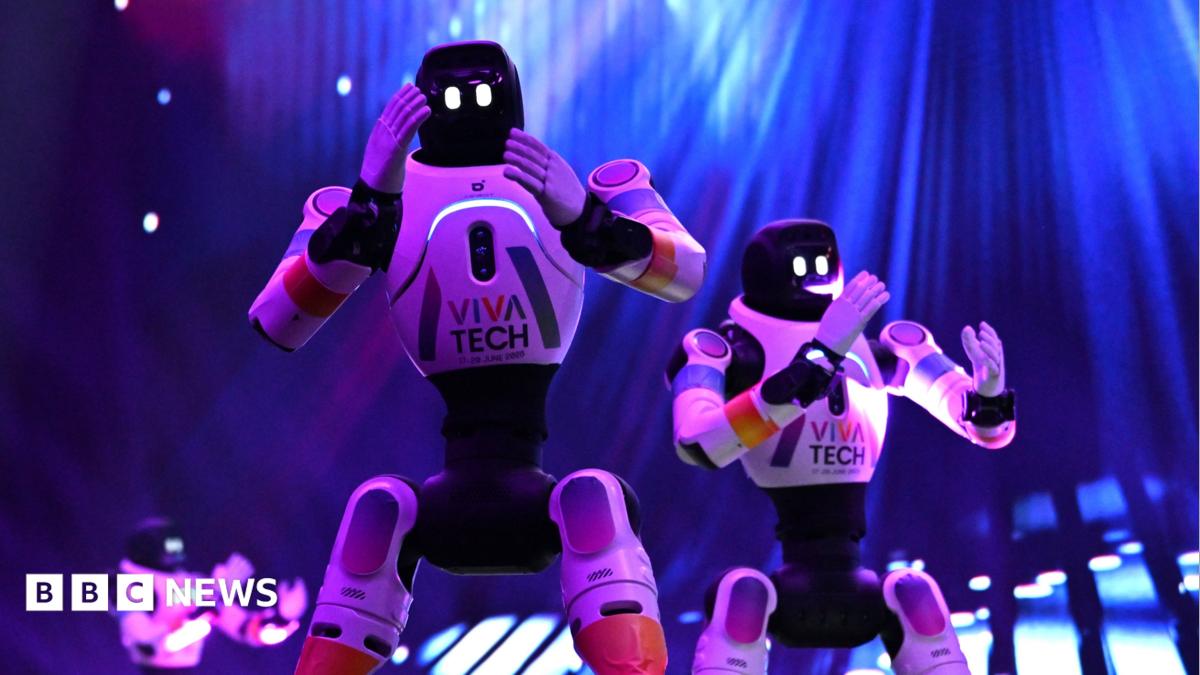
Robots for rent are appearing in more workplaces as a way to access new capabilities without a large capital buy-in. “Robotics tech is changing fast, so for many it makes sense to rent a robot,” a recent BBC Business piece notes, and that line guides how organisations are thinking about acquiring robotics today.
This explainer defines common rental models, shows who benefits most from rented robots, lists typical tasks they handle and practical limits, and gives a short checklist managers can use when evaluating offers. The tone is practical: aim for quick decisions based on short trials and measurable outcomes.
What renting a robot means in practice
Robot rental covers several models. Short-term hires charge by the day or month for a fully operational unit; subscription models bundle hardware, cloud software updates and support; and trial-to-rent arrangements ship a machine for an on-site evaluation period before a longer-term rental or purchase decision. Across models, the key difference is shifting cost from a capital purchase to an operating expense.

In practice, renting usually includes some level of maintenance and onboarding. That lowers the barrier to test robotics in real workflows quickly, but it can limit deep customization and long-term control over software modifications. When considering a rental, treat it as an integration project: schedule time for setup, staff training and a measured trial period so you can judge fit before committing further.
Who can benefit from robots for rent
Robot rental suits organisations that need flexibility or quick access to new robotics tech without owning it outright. Typical beneficiaries include:
- Seasonal or peak-focused operations, such as warehouses that scale up for holiday periods and need temporary extra material handling capacity.
- Teams piloting automation in a single workflow who want to test performance and ROI before buying hardware.
- Event organisers, museums or retail outlets that require short-term service or demonstration robots for a show or campaign.
- Academic labs and training programmes that need current hardware for a term or project without long-term maintenance.
These use cases emphasise flexibility: renting provides hands-on experience with robotics tech and lets organisations change approaches as the market and capabilities evolve.
Common uses and practical limits
Robots available for rent tend to handle repeatable, well-defined tasks. Common practical uses include guided material handling in warehouses, floor cleaning and sanitisation in public spaces, or basic service tasks in hospitality and events where predictable interactions are required.
But rented robots have limits. They usually perform narrowly scoped jobs, and success depends on the local environment, connectivity and integration with existing systems. Expect limited options for deep customization, and note that public reporting so far offers little vendor-level performance data. The BBC coverage highlights the trend but does not list named suppliers or extensive benchmark figures, so treat efficiency claims as provisional until validated in your environment.
Cost, contracts and practical steps when you rent a robot
When you plan to rent a robot or evaluate a robot rental offer, focus on clear metrics and contract items rather than headline prices alone. Key cost and contract factors include:
- Duration and pricing cadence: daily, monthly or tiered subscriptions tied to features and support level.
- Support and SLA terms: who provides on-site repairs, response times, and uptime guarantees; confirm what happens when downtime affects operations.
- Integration and installation fees: sensor calibration, floor markings, or software connectors may be charged separately.
- Training and change management: ensure staff training is included or budgeted so the robot yields measurable gains quickly.
Practical steps: define the task and KPIs (time saved, error reduction, throughput), run a controlled trial with acceptance criteria, and capture actual performance data over a realistic period. Use that data to compare total rental cost against the expected benefit — and against the cost of purchase if you expect long-term use.
Practical benefits and the main limits in one view
- Benefits: rapid access to new robotics tech, lower upfront cost, easier trials and seasonal scaling.
- Limits: limited customisation, potential vendor software lock-in, sparse public performance data, and unclear long-term total cost vs purchase.
Why it matters
Robotics tech is evolving quickly. Renting lets organisations keep pace without repeatedly buying hardware that could become obsolete. For businesses that prioritise agility, access without ownership can be a practical route to experiment and scale automation responsibly. But because public reporting — including the BBC piece that inspired this explainer — does not provide comprehensive vendor-level performance figures, decisions should be evidence-driven: rely on short trials, defined KPIs and clear contract terms rather than marketing claims.
Quick checklist before you sign
- Define a measurable goal and success criteria for the trial.
- Confirm what support, updates and training are included.
- Ask for trial terms with acceptance tests and downtime handling spelled out.
- Collect and compare real-world data to estimate total cost over your expected use period.
FAQ
How do I rent a robot for my business?
Start by specifying the task and measurable goals, request a trial that includes setup and training, and compare rental durations, support levels and liability terms before signing.
What tasks can rented robots perform?
Common tasks include simple material handling, cleaning, security patrols and basic service roles. Rented robots suit repeatable, well-scoped jobs rather than highly customised automation.
Are rented robots cheaper than buying one?
Renting reduces upfront spending and is often cheaper short-term for trials or seasonal needs. For long-term continuous use, cumulative rental fees can exceed purchase cost, so compare total cost of ownership to cumulative rental payments for your expected timeframe.
Source: BBC News — Robots available for rent: But what can they do?