BBC reporting shows that e-bike injury payouts have topped £110m, and insurers point to those settlements as one factor contributing to rising insurance premiums. The BBC figure, and commentary from insurers quoted in that reporting, have focused attention on how a relatively short period of micromobility use has translated into meaningful costs for the insurance market.
This article summarises the BBC’s findings, explains why higher payouts can plausibly feed into premiums while noting the limits of the available data, outlines the seven-year timeline since the first micromobility claim, and sets out practical implications for riders and insurers.
What the BBC found
The BBC’s investigation reports total payouts for injuries linked to e-bikes and similar micromobility vehicles at about £110m. The piece combines claims data with insurer commentary to present a picture of rising costs associated with these vehicles.
The BBC article provides the headline total and includes quotes from insurers saying that increased claim costs are putting upward pressure on premiums. It does not, however, publish a full actuarial breakdown showing how much of recent premium increases are attributable to e-bike claims specifically, which the reporting itself notes as a limitation.
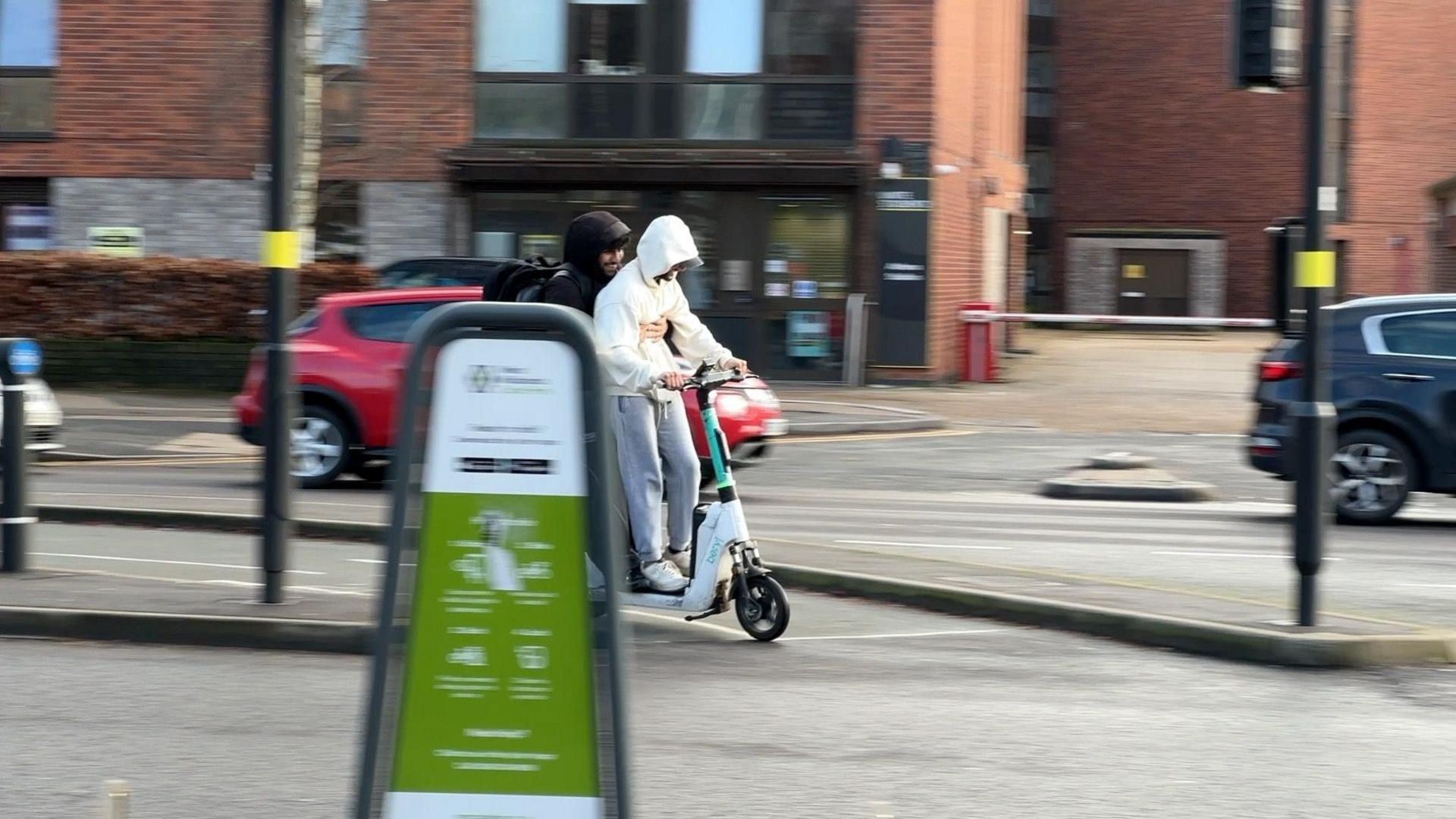
Visual context in the BBC coverage shows typical urban e-bikes and riders; these images illustrate the vehicle types and environments discussed in the reporting.
Why e-bike injury payouts may be pushing up premiums
Insurers commonly set premiums using their expectations of future claims costs. When the average cost per accepted claim rises, or when claim frequency increases, firms generally need to reflect that in pricing to cover liabilities and remain solvent. From that perspective, higher payouts for e-bike injuries are a plausible input into higher premiums.
At the same time, establishing direct causation — a precise share of premium increases directly caused by e-bike payouts — requires more granular data than the BBC piece provides. Other factors such as general medical-cost inflation, changes in claims handling, investment returns and wider market dynamics can also affect premiums. The BBC reporting quotes insurer views on the link but is careful to flag those broader influences.
In short: insurers’ explanation that payouts contribute to premium rises is credible and consistent with basic insurance economics, but the BBC’s published material does not offer detailed modelling that isolates e-bike payouts as the sole or dominant cause.
Seven years of micromobility claims
The BBC places the £110m figure in the context of a relatively short span: the first recorded micromobility injury claim dates back seven years. Since that first claim, the use of micromobility vehicles — including privately owned e-bikes and shared e-scooters in some areas — has grown, which is reflected in both the number and profile of claims reported to insurers.
That compressed, recent timeline matters because insurance pricing, regulation and safety guidance often lag changes in vehicle technology and usage patterns. Insurers and policymakers are still refining how they collect data, assess risk by vehicle type and set terms and premiums accordingly.
What riders and insurers should watch next
Riders should expect insurance quotes to gradually reflect recent claims experience. That could mean higher premiums for some policies, particularly those that include third-party injury or public liability exposure linked to e-bike use. Riders can act now by comparing policies, checking cover limits, and demonstrating safety measures such as helmet use and responsible riding to help keep costs down.
Insurers will need more granular, standardised data on claim frequency and severity broken down by vehicle type, speeds involved and injury outcomes. Better data would help firms set premiums that more accurately reflect risk without over- or under-pricing cover.
Policymakers and regulators may also want improved reporting and safety guidance if payouts and premiums continue to climb, to ensure consumers have clear information and the market functions fairly.
Practical steps for riders
Compare policies and cover limits carefully: not all policies treat e-bikes the same, and cover for third-party injury or liability can vary.
Adopt visible safety measures: helmets, lights and reflective clothing, plus cautious riding in busy areas, can reduce risk and may be viewed positively by some insurers.
Keep clear records of any incident: photographs, witness details and notes can support a claim and speed up resolution.
Frequently asked questions
Why have insurance premiums risen after e-bike payouts?
Insurers say higher payouts raise their expected future costs, which can be reflected in premiums. The BBC reports that insurer view while noting the reporting does not include detailed actuarial evidence that isolates the exact contribution of e-bike payouts to recent premium rises.
Who pays for e-bike injury claims and do riders face higher costs?
Payouts are made by insurers where claims are accepted. Riders may face higher premiums if insurers adjust pricing in response to claim experience; riders without appropriate cover may face out-of-pocket costs if a claim is not covered.
How can riders reduce insurance costs and injury risk?
Steps include comparing policies, choosing suitable limits, riding defensively, using safety equipment and documenting incidents carefully to support claims.
By the numbers
- Reported total payouts: £110m (BBC)
- Time since first micromobility injury claim: 7 years
- BBC source article date: 7 July 2026
Source: BBC News — E-bike injury payouts top £110m and push up insurance premiums (published 7 July 2026).
Key takeaway for riders and insurers
For riders: expect some upward pressure on quotes, but you can reduce risk and potentially limit cost increases by shopping around and practising visible safety measures. For insurers and regulators: better, more detailed data on claims by vehicle type and injury severity will be important to set fair premiums and develop targeted safety guidance. The BBC’s reporting provides a headline figure and useful context, but resolving precise cause-and-effect questions will need more granular market and actuarial data.