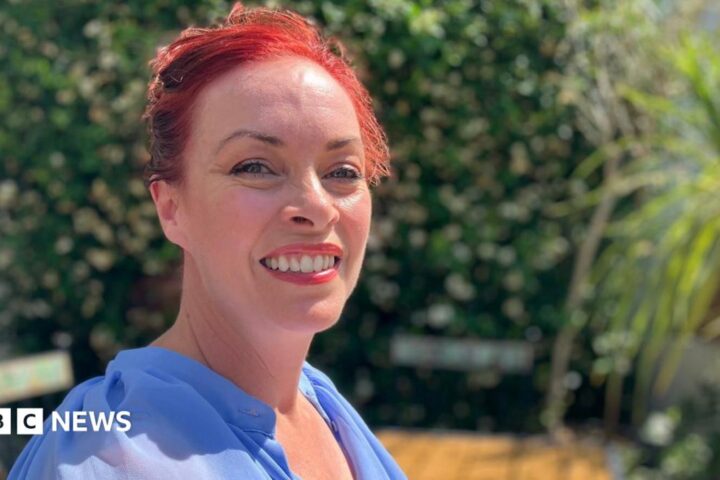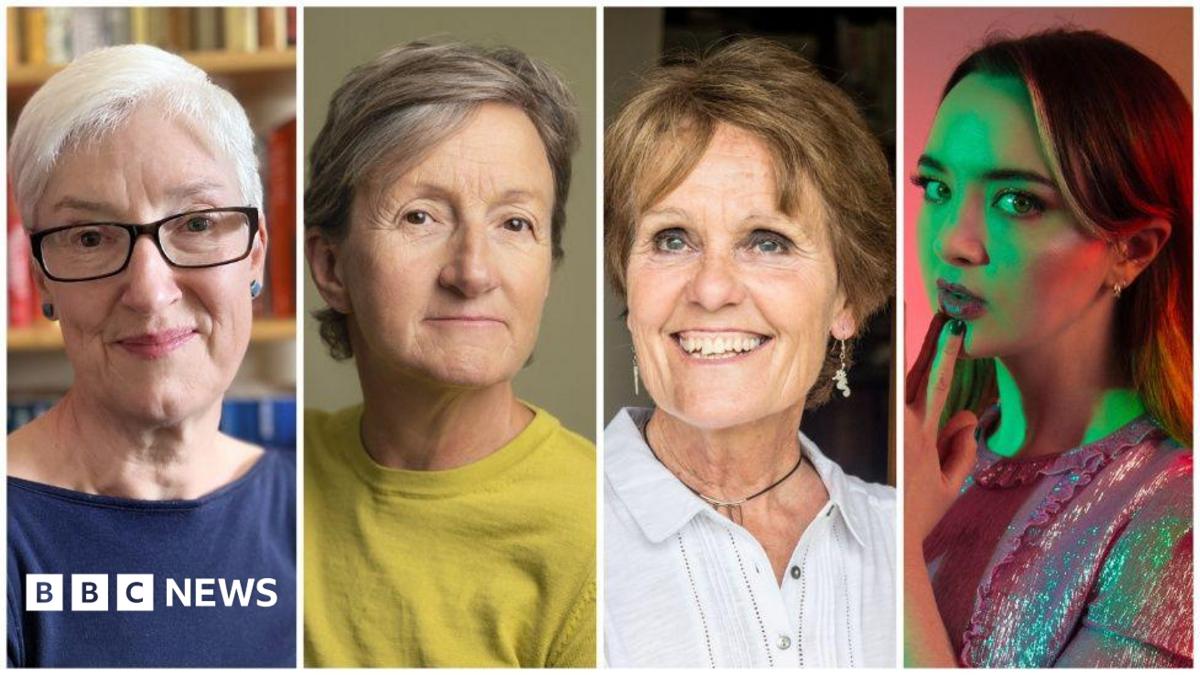
“It explained so much,” said one of the women whose story is highlighted in the BBC reporting: for many late-diagnosed autistic women, a diagnosis brought both relief and a new urgency to change how autism is understood and supported. Their accounts, gathered and reported by BBC News – Health, animate decades of missed chances and the practical fixes they now press for.
Voices unmasked: autistic women on life after a late diagnosis
When diagnosis finally arrives in adulthood, it can reframe a lifetime. Women described a pattern of chronic exhaustion, sensory overwhelm and repeated misunderstandings that were often labelled as anxiety or personality traits. Being told they were autistic did not erase those experiences — it gave a context that many said explained recurring problems at work, in relationships and with mental health.
Many of those interviewed for the BBC piece described practical early steps after diagnosis: applying for reasonable workplace adjustments, joining peer support groups, and re-evaluating past clinical notes. Those changes could be small but meaningful — flexible hours to manage sensory overload, clearer communication around expectations, or referral to adult diagnostic services better equipped to assess masking and later-life presentation.
How decades of being hidden shaped outcomes for autistic women
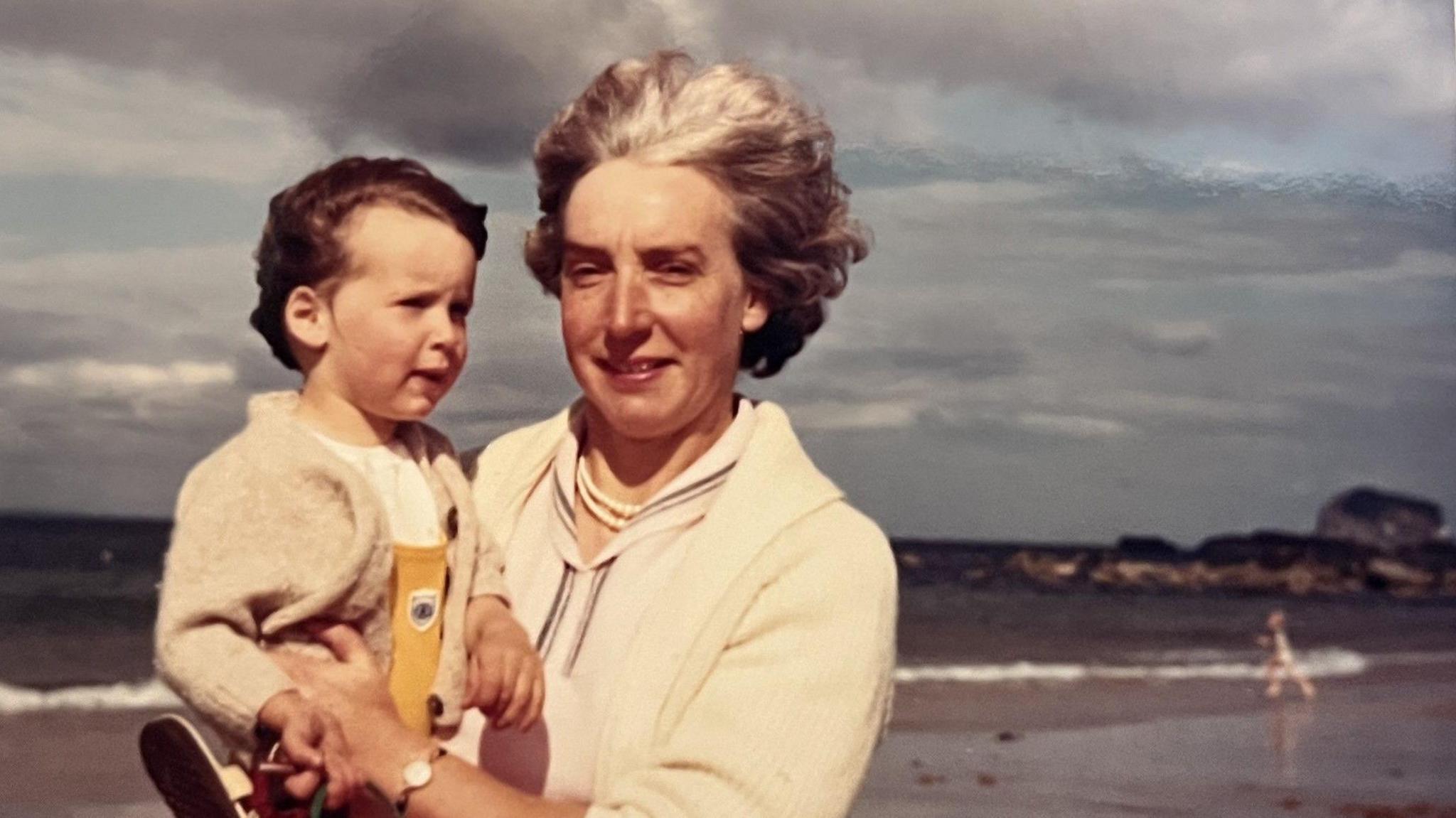
Participants and experts interviewed in the BBC reporting identify overlapping causes for why many women were undiagnosed for years. Diagnostic frameworks and clinical training historically emphasised male presentations of autism. Social expectations around gender encouraged masking — consciously or unconsciously learned behaviours to fit in — which can conceal autistic traits during assessments.
They described being “hidden” not as an individual failing but as a systematic blind spot: research samples, screening tools and public health outreach often missed diverse presentations. That gap in identification has downstream effects — fewer appropriate referrals, delayed or absent post-diagnostic support, and research that underrepresents female and nonbinary experiences.
Those omissions mean clinicians and policymakers have less evidence to draw on when designing services for adults who are diagnosed later in life.
The changes they want: research, services and awareness
The women featured in the BBC report set out clear, concrete requests. In research, they want recruitment that reaches a broader cross-section of autistic people and demands reporting that distinguishes sex and gender differences. That includes study designs that account for masking and adult-onset recognition, rather than assuming a single life-course pathway.
For services, their priorities are practical and immediate: adult diagnostic pathways with clinicians trained to understand masking; post-diagnostic support targeting employment, sensory needs and co-occurring mental-health conditions; and funded peer-led mentoring to bridge the gap between diagnosis and everyday life.
They also urged changes in awareness and professional training. Clinicians, educators and employers responding to a wider range of case studies and lived-experience testimony can reduce missed diagnoses and create earlier, more appropriate supports. Several women pointed to peer groups and community networks as vital — not only for emotional support but for navigating benefits, workplace conversations and local services.
What this means for care and future research
Turning testimony into policy requires measurable steps. Research funders can prioritise studies that explicitly examine underrepresented groups and insist on disaggregated reporting. Clinical commissioning groups can review diagnostic pathways to ensure adult services ask about masking and late-recognition, and that assessment tools are validated for broader presentations.
Employers and occupational health services can create low-cost, high-impact adjustments: sensory-friendly workspaces, predictable schedules, and formalised flexibility. These changes can reduce the chronic workplace exhaustion many late-diagnosed women described and improve retention and wellbeing.
Participants emphasise that these are not abstract reforms but actionable ones. Expanding adult diagnostic capacity, funding peer-support programmes, and updating training materials to include diverse case studies were repeatedly cited as achievable first steps.
Key takeaways from the women’s accounts
- Late diagnosis often brings clarity but reveals long-standing gaps in services and research.
- Masking and gendered expectations have contributed to many women remaining hidden for decades.
- Practical solutions include tailored adult diagnostic services, funded peer support, and research that centres diverse presentations.
Source and next steps
This feature is based on reporting from BBC News – Health, which includes firsthand testimony from late-diagnosed autistic women and frames their recommendations around filling knowledge gaps. For the original reporting, see the BBC article: Unmasked: The autistic women authoring a better future — BBC News – Health.
Limitations: the experiences described are personal testimony reported by the BBC and point to where the evidence base is thin rather than presenting new population-level data. Clinicians, researchers and policymakers should view these accounts as a prompt for targeted study and service review.
Practical next steps include funding targeted research on female and nonbinary presentations, updating clinical guidance to account for masking and late diagnosis, and expanding adult post-diagnostic support that is co-designed with autistic women and nonbinary people.