Training young workers is now about more than keyboards or hand tools alone. Employers increasingly need entry-level staff who can use digital systems and still carry out traditional craft tasks, so many programmes mix classroom tech learning with hands‑on apprenticeships and workshop time.
This explainer summarises the trend, how employers balance hi‑tech skills and age‑old techniques, common training models, and clear actions trainees and employers can take to adapt.
Trend snapshot: training young workers — firms balancing hi‑tech and craft training
Across sectors firms face a dual demand: staff who can operate digital tools and those who understand physical processes. The shorthand for this is a blend of hi‑tech skills and traditional crafts. Where once training centred on either a trade bench or an IT suite, programmes increasingly combine the two so new hires can work with connected equipment, digital design files and diagnostics while still doing accurate manual work.
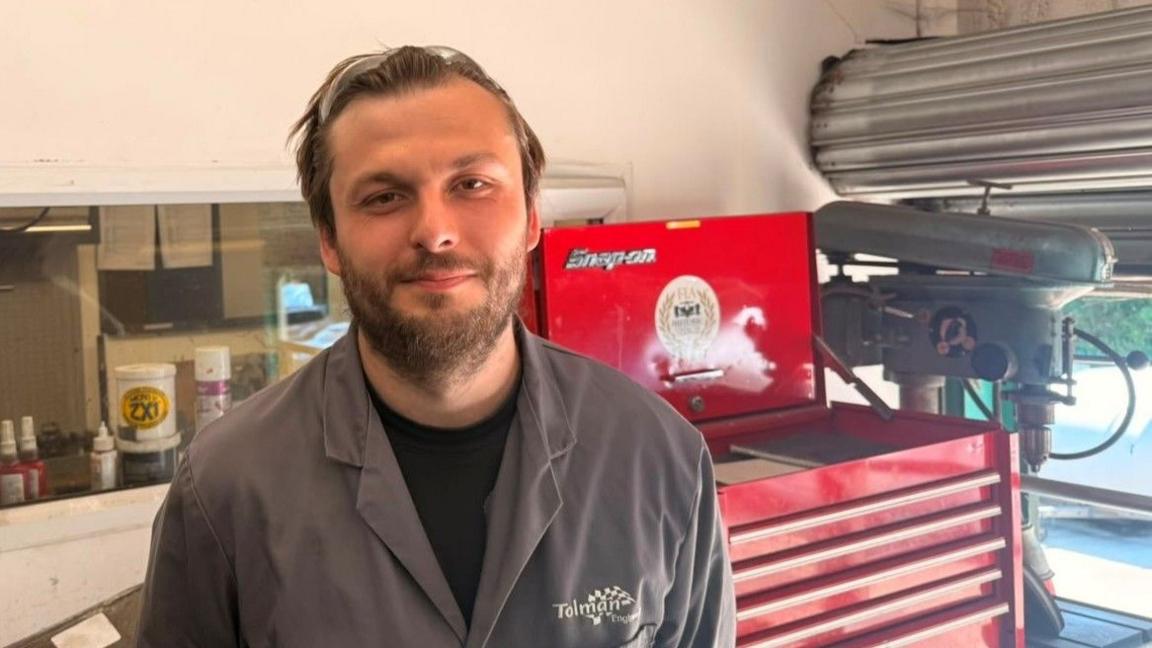
This shift is pragmatic. Digital aids speed design, maintenance and monitoring, but many tasks still require manual judgement, material knowledge and the ability to adapt on site. Training that covers both areas helps organisations adopt new technology without losing craft expertise.
What employers want: hi‑tech skills and traditional crafts
Recruiters commonly list both sets of competencies for entry roles. Hi‑tech skills include basic coding logic, spreadsheet literacy, using diagnostic or control software, and familiarity with CAD or maker‑platform workflows. These let staff interpret digital outputs and interact with automated systems.
Traditional crafts matter where manual precision, understanding of materials and practical problem solving determine quality. Employers value people who can set up and repair equipment, carry out bespoke work and make judgement calls that machines or remote support cannot.
Together, these capabilities make teams more adaptable: digital tools can improve efficiency, while craft knowledge ensures durability, bespoke solutions and safe practical work. Workforce training that intentionally develops both reduces reliance on scarce specialist hires and supports longer‑term retention.
How training programs combine classroom, apprenticeships and on‑the‑job craft work
Common training models mix three complementary approaches rather than relying on a single template.
- Classroom-led modules: short courses or college units that teach software basics, digital safety, and theoretical foundations for new equipment.
- Apprenticeships: employer‑led pathways where trainees alternate workplace duties with formal instruction, learning craft techniques alongside industry technology.
- On‑the‑job upskilling: mentoring, job rotations and paired work that embed digital tools inside everyday craft tasks so trainees learn by doing.
Firms stitch these elements together to create hybrid programmes. For example, a trainee might learn CAD in a classroom, fabricate a prototype in a workshop under a craftsperson’s supervision, and then diagnose performance issues using diagnostic software on a live job. That cycle of learning, applying and troubleshooting cements both digital literacy and manual skill.
Employers also use micro‑credentials, short vendor courses or internal modules to fill specific gaps without overhauling long training pathways. The emphasis is on practical skills development through repetition, feedback and gradually increased responsibility.
Practical paths for trainees: where to start and what to build
If you are planning a career that blends tech and craft, start with foundations you can expand quickly.
- Build core digital skills: learn basic spreadsheet use, get comfortable with simple CAD tools, and understand how diagnostic or control software is used in your industry.
- Gain hands‑on craft experience: look for short placements, weekend maker workshops, or college modules that teach material handling and manual techniques.
- Pursue apprenticeships or traineeships that combine paid workplace time with formal study so you earn while you learn practical and technical skills.
On the job, keep a short project log, volunteer for setup and troubleshooting tasks, and create small portfolio pieces that combine software and craft—design a simple part and make it, document the process, and note what you learned. These concrete examples help employers assess your ability to join digital and manual workflows.
Employers hiring early‑career staff should audit existing training, partner with local training providers, and create staged responsibilities that let trainees practise both tool use and craft tasks under supervision. Structured mentorship accelerates competence and reduces risk.
Key takeaways
- Training young workers increasingly requires a mix of hi‑tech skills and traditional crafts to meet modern workplace needs.
- Effective programmes blend classroom modules, apprenticeships and on‑the‑job practice to develop both digital literacy and hands‑on competence.
- Trainees should prioritise foundational digital skills, seek practical craft experience, and choose apprenticeship pathways where possible.
What comes next
The trend toward hybrid training is likely to continue as more workplaces use connected tools and digital design. Employers and training providers will need to keep updating content and assessment so new starters can move fluently between screens and workbenches.
What readers can do next: trainees should map the specific digital and manual skills used in target roles and build a short portfolio; employers should review on‑the‑job learning opportunities and consider partnerships with colleges or local workshops to expand training capacity.
Frequently asked questions
What does training young workers involve now?
Modern programmes commonly combine short technical courses with hands‑on placements so new recruits learn both software or diagnostic literacy and the manual skills needed to apply those tools in practice.
How can apprenticeships combine tech and craft skills?
Apprenticeships typically alternate workplace learning with formal instruction, allowing trainees to practise craft tasks while taking modules on digital systems, design software or industry‑specific technology.
Which jobs need both hi‑tech skills and traditional crafts?
Roles in maintenance, bespoke manufacturing, construction trades using digital plans, and small‑scale production often require both. Employers in these areas value staff who can interpret digital information and perform quality manual work.
Source and context
This article summarises reporting from BBC News – Business. The original piece presents a broad statement that firms must balance hi‑tech and age‑old skills when training young workers; it does not specify sectors, firms or named programmes.
Source: BBC News – Business