
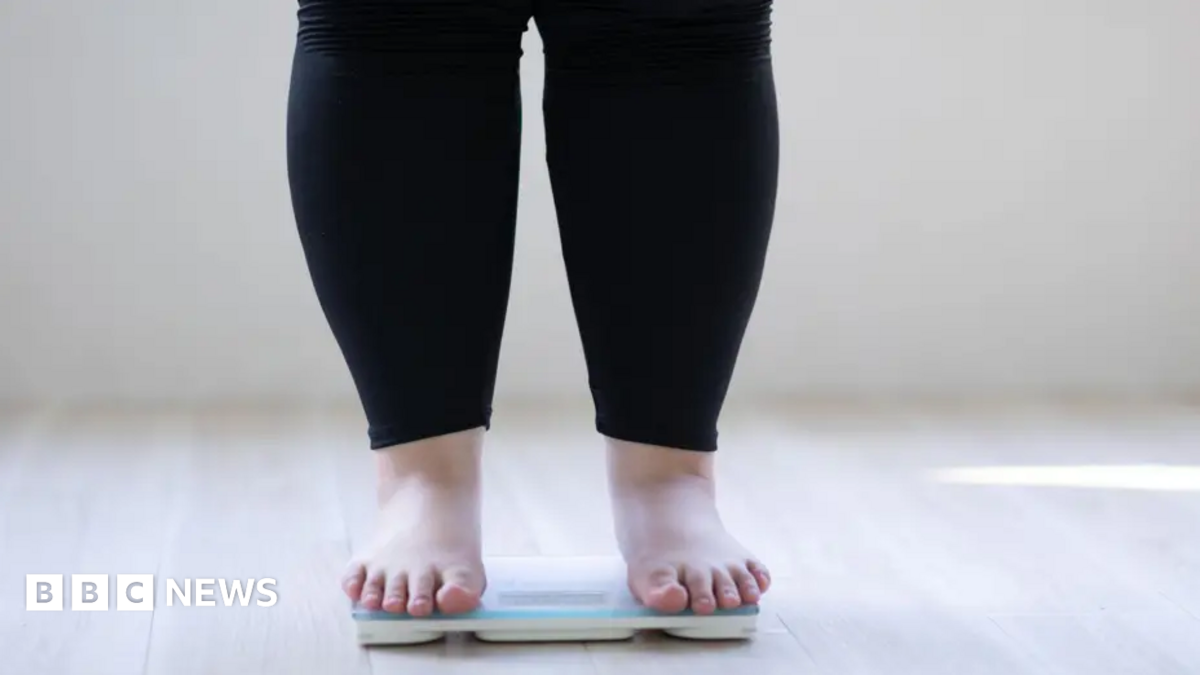
BBC News reported on 24 June 2026 that obesity is rising fastest among young adults — a shift public‑health experts told the BBC may reflect pandemic‑era routines, the cost of living and changes in the food environment. The BBC article presents this as a reported trend supported by health data and expert commentary; the explanations given are experts’ views reported by the BBC, not proven causal findings.
Obesity trend among young adults
What the BBC reported
The BBC’s 24 June 2026 report summarised recent health data and said the steepest rise in obesity has been seen in younger age groups, describing young adults as the fastest‑growing segment of people living with obesity. The outlet quoted public‑health specialists who offered several overlapping explanations for the shift; the BBC framed these as expert attributions rather than definitive causes.
Who is affected and what the patterns look like
According to the BBC summary, the increase is concentrated in younger adults — people in their late teens through their 20s and 30s — rather than older age groups where prevalence has been historically higher. The report did not present a single numeric forecast for future prevalence but characterised the change as a notable recent pattern in population‑level measures of weight.
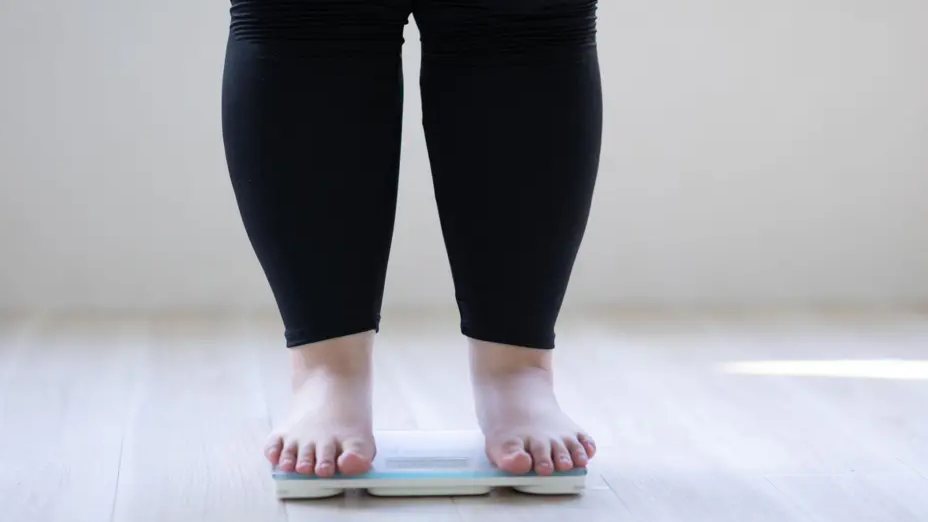
Why experts point to cost, pandemic and unhealthy food
The BBC reported three commonly cited explanations from the experts it interviewed: rising cost of living, lasting effects of pandemic routines, and an unhealthy food environment. The BBC attributed these ideas to specialists and emphasised they are plausible contributors rather than proven, single causes.
- Cost of living: Experts told the BBC that higher household costs can make fresh, healthier food harder to afford, while cheaper, processed options become relatively more appealing or necessary for those on tight budgets.
- Pandemic effects: The BBC article relayed that changes in physical activity, work and study patterns, and daily routines during the COVID‑19 pandemic have had lingering effects on movement and eating habits for some younger adults.
- Unhealthy food environment: Specialists cited by the BBC pointed to the ready availability and marketing of calorie‑dense convenience foods as part of a broader environment that can make healthier choices more difficult.
The BBC noted that untangling these factors requires more detailed, long‑term research; the outlet presented the expert views as reported explanations rather than confirmed, sole causes of the trend.
What this means for young adults
While the BBC’s report focuses on population trends, health professionals commonly highlight that higher rates of obesity in younger adults can carry implications for both short‑ and long‑term well‑being. Obesity is associated with increased risk of conditions such as type 2 diabetes, heart disease and some joint problems, although individual risk varies and many factors influence health outcomes.
Experts quoted by the BBC and public‑health organisations generally recommend seeking help from primary care or local services when concerned about weight or related health issues. For many young adults, practical barriers such as cost, time and local access shape what support is realistic; professionals often emphasise low‑cost, community‑based options and small, sustainable changes to diet and activity that can fit busy lives.
Policy and public health implications
The BBC coverage recorded expert calls for policy responses that address upstream drivers — for example, interventions to improve food affordability, promote active living, and reduce environmental incentives for excess calorie consumption. The BBC presented these as options experts have suggested rather than immediate, proven fixes tied to a single causal pathway.
Possible responses discussed in public commentary and reflected in the BBC piece include expanding access to affordable healthy food, supporting community physical‑activity opportunities, and reviewing how processed foods are marketed or priced. Policymakers and public‑health bodies may use the reported trend as a prompt to reassess prevention and support strategies targeted at younger adults.
Local angle and services
The BBC’s report is UK‑centred, and the scale or shape of the trend may differ across regions and communities. Local authorities, universities, employers and health services can influence outcomes through programmes on food access, student and workplace health, transport and leisure infrastructure. Young adults seeking support should check local NHS and community services, which may offer tailored advice and programmes.
Key takeaways and what comes next
Key takeaways: the BBC reported a recent rise in obesity most pronounced among young adults; experts told the BBC that cost‑of‑living pressures, pandemic effects and the food environment are plausible contributors; and these explanations remain reported expert views rather than established single causes. Further monitoring and research will be needed to understand long‑term patterns and the effectiveness of different policy responses.
Source and reporting note
This summary is based on the BBC News report “Obesity cases rising fastest in young adults,” published 24 June 2026. The causes discussed above are attributed to experts quoted by the BBC; they are reported explanations rather than proven causal findings. For full context and the original reporting, see the BBC article below.
Source: BBC News — https://www.bbc.co.uk/news/articles/c8j2m2zrrxko?at_medium=RSS&at_campaign=rss
Category: Health
Related (BBC): BBC News – Health
Reporting limits: this article summarises the BBC’s coverage and expert commentary. Readers seeking detailed, locally relevant guidance should consult primary public‑health data, NHS resources or local health services.