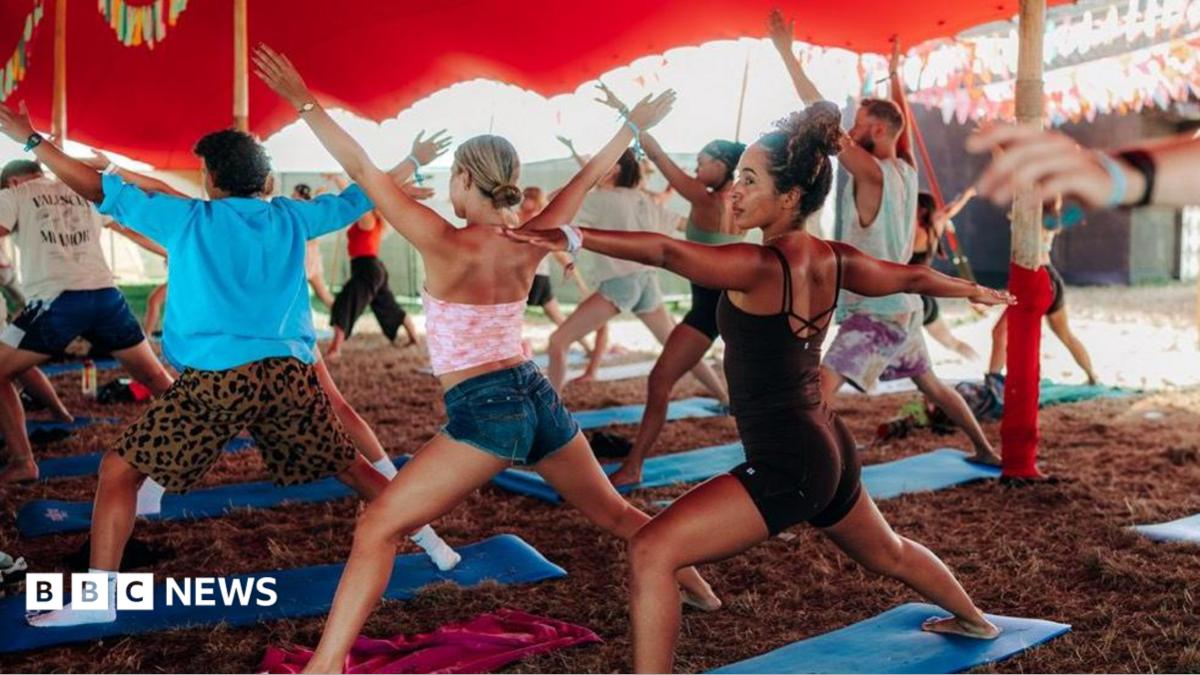
Organisers say they are seeing more demand for wellness at festivals across the UK, and many events are responding by adding structured wellbeing activities to their programmes. The trend was reported by BBC News and, according to festival teams, ranges from early-morning runs to ticketed yoga classes and guided mindfulness sessions. The observation comes from organisers and is not independently verified in the original report.
Trend snapshot: wellness at festivals
Organisers say wellness at festivals has grown from occasional fringe offerings into scheduled slots on many festival timetables. Across the UK, events of different sizes now list wellbeing activities alongside music, comedy and arts programming to broaden appeal and offer varied experiences.
What organisers are describing includes free drop-in sessions, small-group workshops and paid wellness packages. Common options promoted by festival teams are sunrise or dawn yoga sessions, running clubs with mapped routes, guided nature walks, meditation and breathwork sessions, and dedicated quiet or chill zones.
Coverage by BBC News highlights organisers’ reports of rising interest, but the scale of the change is presented as organisers’ observations rather than the result of an independent attendance audit. That distinction is important when interpreting how widespread the trend is.
What organisers are adding to lineups
Yoga remains one of the most frequent wellness offerings. Organisers often schedule yoga sessions early in the morning in marquees, fields or near quieter campsite areas so participants can attend before headline acts or late-night events.
Running clubs have been added by a growing number of festivals. These are typically led routes of varying lengths and paces that let attendees exercise together and see the festival site in a different way. Routes are commonly adapted for mixed fitness levels and aim to be accessible for those new to group running.
Other wellness events on lineups include guided walks that showcase the venue or its surroundings, low-impact fitness classes, mindfulness and breathing workshops, and structured rest spaces. Some festivals offer wellness marketplaces or vendor areas selling related products, while others integrate wellbeing into camping or family zones.
Organisers say these additions are often designed to fit around busy schedules: short, clearly timed sessions reduce clashes with headline performances and make it easier for attendees to combine wellness with other festival activities.
Why demand may be rising
Organisers suggest several drivers behind increased demand for wellness programming. A broader public focus on health and self-care means some festivalgoers want quieter, restorative options as part of their experience. For many, wellness sessions make festivals more balanced and less exhausting.
Social media and lifestyle trends that promote wellbeing and active experiences can amplify interest, encouraging people to seek photogenic sunrise yoga classes or group runs as part of their weekend plans. For families and older visitors, structured wellness sessions can make festivals feel more accessible.
Economic and market factors may also play a role: festivals looking to differentiate themselves or attract repeat visitors can add wellbeing options to broaden their demographic reach. Festivals tell reporters they see demand rising, but this report attributes the observation to organisers rather than presenting independent verification.
Practical tips for attendees and organisers
Attendees: check the festival programme in advance and book ticketed wellness sessions early. Popular classes such as sunrise yoga or limited-capacity workshops can sell out before the event begins. Plan to attend one or two sessions so you can still enjoy headline acts, and pack lightweight kit such as a travel yoga mat, sunscreen and comfortable clothing.
Arrive at wellbeing sessions a little early, especially for outdoor classes where space and shade matter. If a session is billed as beginner-friendly or low-intensity, organisers usually mean it; if you need a more strenuous workout, look for session descriptions that note pace or intensity.
Organisers: publish clear, time-stamped schedules and state any additional costs and capacity limits up front. Simple booking systems and pre-event registration help estimate demand and set safe capacities. Offering a mix of free drop-in sessions and paid workshops can attract first-time participants while allowing some revenues to offset costs.
Logistics are key: provide shade or indoor spaces for wellness activities, easy access to water, clear signage and accessible routes from campsites or main stages. Communicate equipment needs, expected intensity and any age limits in session descriptions to avoid surprises on site. Collecting short post-session feedback helps measure interest and improve programming for future years.
Source attribution
The claim that demand for wellness at festivals is rising is attributed to festival organisers and was reported by BBC News in the article “Why wellness is booming at festivals in the UK.” Read the original report at https://www.bbc.co.uk/news/articles/cj4p75lldgvo?at_medium=RSS&at_campaign=rss. The BBC coverage presents organisers’ observations; the increase in demand has not been independently verified in that report.