India recorded its driest June in over a decade, according to a BBC News report, a development that has sharpened concerns about sowing progress and the wider monsoon season. The immediate worry is whether weaker monsoon rains will reduce farm output in key producing areas at a crucial time for crop establishment.
Driest June: what the data says
The core finding reported by BBC News – India is straightforward: this June was the driest in India in over ten years. The article frames that fact as a red flag for the seasonal monsoon pattern that supports much of the country’s agriculture.
The BBC story cites national and regional rainfall summaries and official observations but does not publish station-by-station raw data in the piece. That means the “driest June” label rests on aggregated figures referenced by the report rather than linked full datasets.
How weaker monsoon may hit farm output
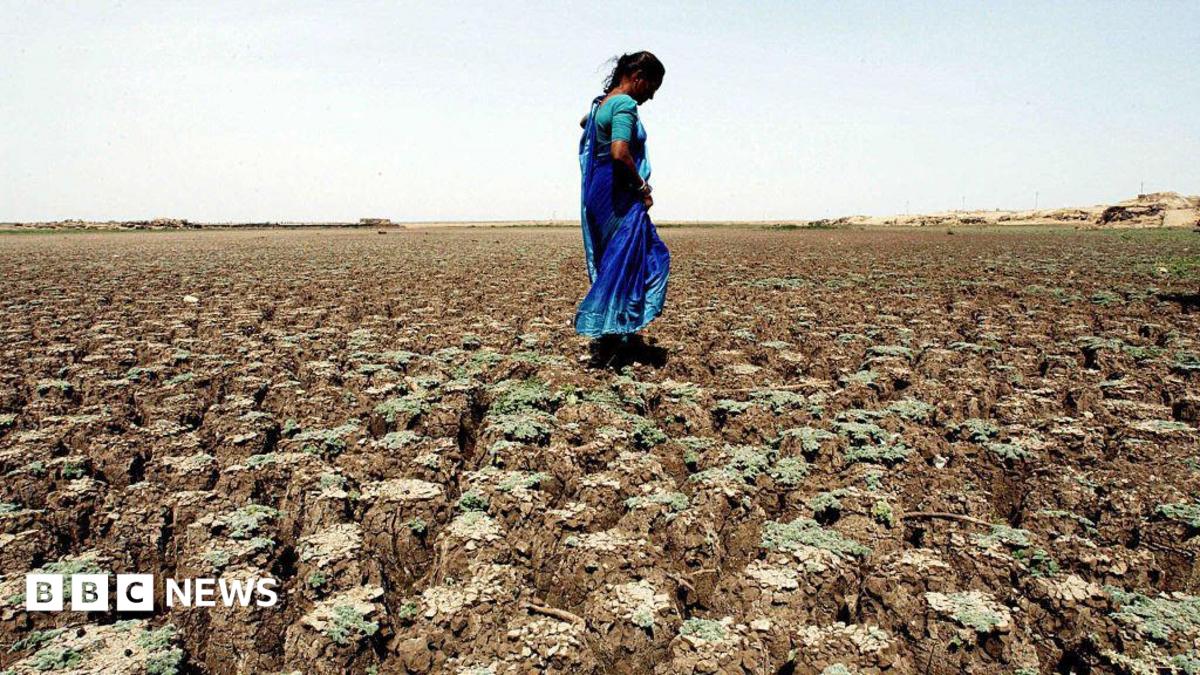
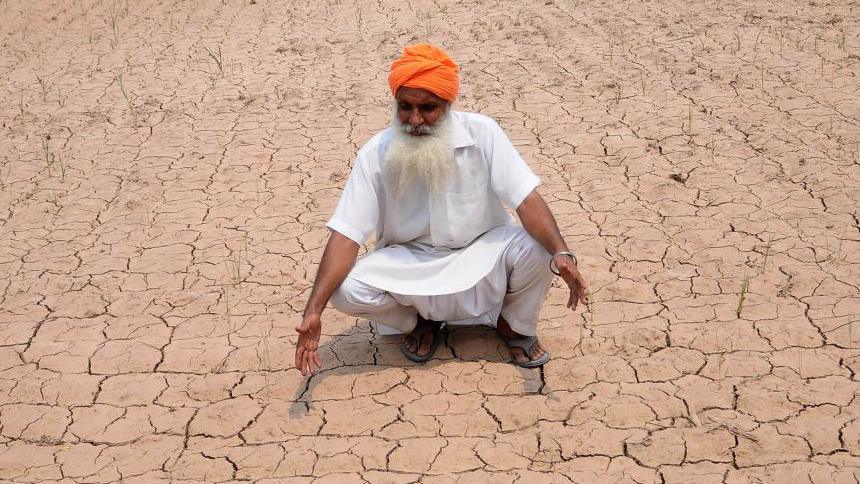
Weaker monsoon rains typically affect sowing and early crop growth. For many farmers, June is the key month for starting the kharif season: timely rainfall determines when and how much they can plant, particularly for rain-fed crops such as pulses, oilseeds and coarse cereals.
Delayed or patchy rains can reduce the area sown and slow germination, which in turn may lower yields even if rainfall improves later. Losses depend on the growth stage when stress occurs; shortages at establishment often reduce final output more than the same shortfall later on.
Farmers with reliable irrigation face less short-term exposure, but widespread dry conditions raise pressure on groundwater and canal systems. That increases irrigation costs and can widen yield gaps between irrigated and rain-fed plots.
Government grain stocks and the official claim
The government has said it holds enough grain stocks to address potential shortages arising from a weaker monsoon, a position reported in the BBC article. The statement is intended to reassure markets and consumers about near-term supply.
Independent verification of exact stock levels or how long those reserves would last under different shortfall scenarios is not provided in the BBC report. Analysts often caution that national buffer stocks are helpful but their effectiveness depends on magnitude of any production shortfall, the timing of releases, and logistical capacity to move grain where it is needed.
State-level availability and distribution logistics matter: national stockpiles do not automatically translate into local supplies unless transported and sold into affected markets efficiently.
Shortages, prices and what consumers could see
A single dry month does not guarantee immediate national shortages, but it raises the risk if deficits persist or spread across major producing states. Reduced harvests in specific regions can tighten local supplies and push wholesale and retail prices higher, particularly for crops that are predominantly rain-fed.
Markets react to both physical supply and sentiment. Even the prospect of lower output can lead traders and buyers to bid up prices. Consumers could see price increases for specific grains if local harvests are smaller than expected or if transport and storage bottlenecks limit flows from national stocks to local markets.
Price outcomes will reflect actual production, the government’s use of stockpiles, international trends and seasonal demand patterns.
What comes next: outlook and indicators to watch
Key short-term indicators to monitor include rainfall in the coming weeks, official sowing progress reports from state agriculture departments, and early crop condition assessments. A stronger-than-expected second-phase monsoon would reduce immediate risks; continued deficits would increase them.
Authorities may respond with targeted procurement, releases from buffer stocks, market interventions to stabilise prices, or support measures for affected farmers. How quickly and effectively those steps are implemented will determine whether disruptions translate into sustained shortages or only temporary price volatility.
Outlook remains uncertain: one dry month is an early warning rather than a definitive forecast. Watch for cumulative seasonal rainfall and official crop and sowing data before drawing firm conclusions.
Key takeaways
- India experienced its driest June in over a decade, reported by BBC News — an early signal of a weaker monsoon.
- Weaker monsoon rains can reduce sowing area and lower yields, especially for rain-fed crops.
- The government says national grain stocks are sufficient, but the BBC report does not independently verify how long reserves would cover a large shortfall.
- Consumers may see localized price effects depending on harvest outcomes, stock releases and distribution efficiency.
FAQs
Will the driest June cause food shortages?
A single dry month increases the risk but does not automatically cause national shortages. Outcomes depend on cumulative seasonal rainfall, sowing success, access to irrigation and policy responses.
Are current grain stocks enough to stop price rises?
The government asserts stocks are sufficient; available reporting does not provide an independent assessment of how long reserves would offset a significant shortfall. Stocks can mitigate price moves but distribution and market sentiment also matter.
How soon will farmers feel the impact of weaker monsoon?
Impacts on sowing and germination can appear within weeks; yield effects become clearer as crops develop later in the season.
Source: BBC News – India. Original reporting: https://www.bbc.co.uk/news/articles/c5yzk5rqyr4o?at_medium=RSS&at_campaign=rss