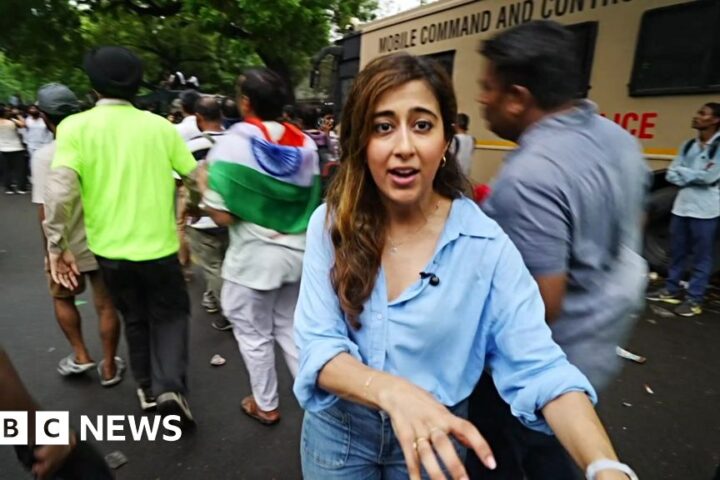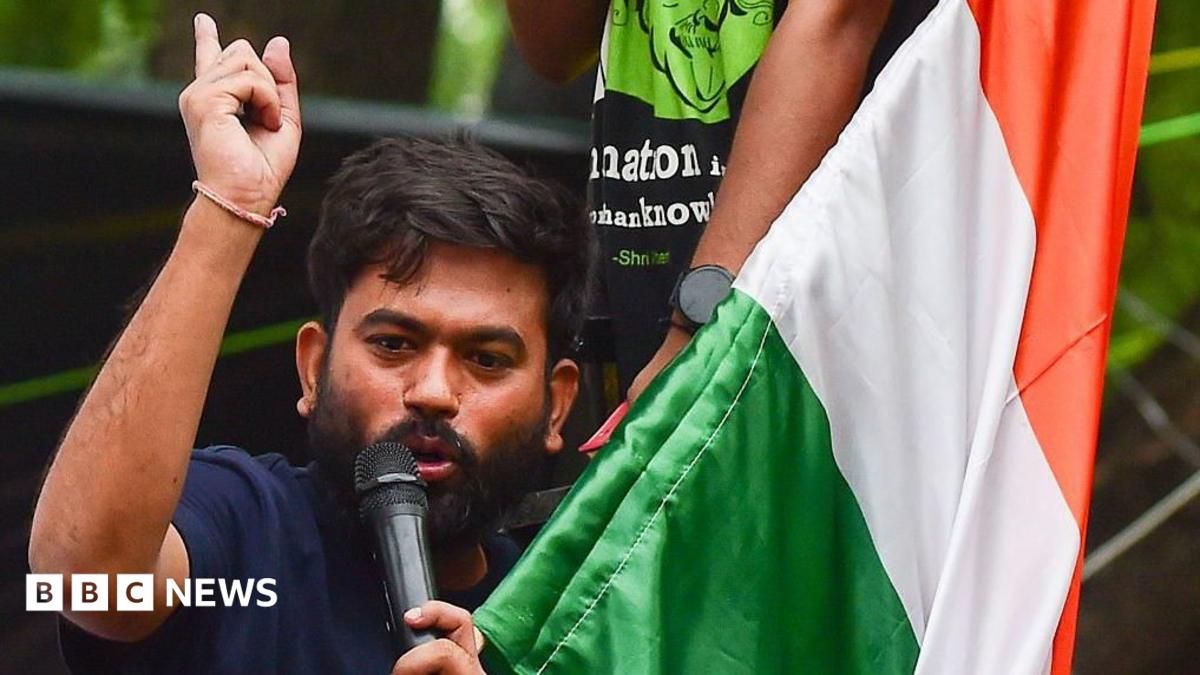
Protests described as the India ‘cockroach’ protest continued in Delhi a day after a reported police crackdown, with officials and media citing dozens of injuries.
The demonstrations, which BBC News described as involving “overwhelming violence,” left at least 60 protesters wounded (BBC News reported the figure) and, according to police statements, 118 police personnel injured (police statement). Those figures are reported claims and have not been independently verified.
What happened in Delhi during the India ‘cockroach’ protest
According to BBC reporting, unrest flared in parts of Delhi on Monday as demonstrators staged what coverage has called the India ‘cockroach’ protest (BBC News reported). Journalists on the ground described clashes between some protesters and security forces following efforts by police to disperse crowds.

Media accounts said authorities moved in after incidents the police characterised as unlawful; some witnesses described a forceful response. Organisers and some participants said demonstrations continued into the following day, with activity concentrated in several neighbourhoods, local reporters said.
Local reporting noted damaged property and obstructed thoroughfares in areas where confrontations occurred (reported by local journalists). These descriptions are drawn from media and witness accounts and have not been fully corroborated by independent investigators.
Injuries and official figures
BBC News reported that at least 60 protesters were wounded during Monday’s unrest (BBC News reported the number). The outlet’s coverage described scenes of widespread violence in parts of the capital.
Separately, police officials told reporters that 118 members of their force were injured (police statement reported 118 injured). Authorities presented those figures as part of briefings on their response to the demonstrations.
Both sets of numbers are reported claims: the BBC and police statements are the sources cited in media coverage, and independent confirmation of the totals was not available at the time of reporting. Reported figures may change as hospitals and agencies reconcile their counts.
How authorities and witnesses described events
Police statements provided to media described efforts to control crowds and restore order after what officials called unlawful conduct by some participants (police statement). The police account emphasised injuries among security personnel and disruptions to public order.
BBC reporting and witness accounts highlighted the intensity of clashes and said multiple people were hurt (BBC and witness reports). Journalists noted confrontations in specific districts of Delhi and described people seeking medical attention in the aftermath.
Observers and civil society groups contacted by media drew attention to allegations of a police crackdown; these remain allegations reported in coverage and have not been independently corroborated in all details (reported allegations).
Why this matters for Delhi and national politics
The protests and the reported police response have immediate implications for public safety in parts of the capital, with hospitals and emergency services facing increased demand in affected areas (local reporting on service pressures).
Beyond near-term security concerns, incidents of this scale can heighten political tensions nationally. Demonstrations that lead to injuries on both sides often become focal points in debates over law enforcement tactics, civil liberties, and political mobilisation.
Officials and political figures may use the events to argue for different policy or enforcement approaches, and further protests or police action could alter the situation in the coming days. Media and analysts say such episodes can influence public discourse and policy priorities (reported analysis).
By the numbers
- At least 60 protesters wounded (BBC News reported; figure not independently verified)
- 118 police personnel injured (police statement reported; figure not independently verified)
- Violence reported on Monday; protests continued the following day (media reports)
Background and context
The label “cockroach” protest has appeared in news coverage of these demonstrations; the origin and use of that term vary across reports (reported usage). Different outlets have used diverse descriptions when reporting on the events.
Delhi has seen periodic demonstrations over political and social issues in recent years. When protests escalate into clashes with security forces, they typically attract swift national attention and sustained coverage by domestic and international media (historical pattern reported by outlets).
What comes next
Authorities and news organisations indicated they were continuing to monitor the situation. Police announced stepped-up patrols in some neighbourhoods and said further briefings were possible as officials and medical services compiled final figures (police and media statements).
Analysts caution that numbers reported in the immediate aftermath of clashes can change as hospitals update records and agencies reconcile counts; independent verification often takes time (reported caution from analysts and sources).
Media outlets will continue to report updates as new information becomes available from hospitals, police briefings and independent observers. Readers should treat initial tallies as provisional until confirmed by multiple, independent sources.
Source: BBC News — India’s ‘cockroach’ protest continues a day after police crackdown. All numeric figures and claims in this article are attributed to the cited BBC reporting and to police statements; these reported figures have not been uniformly independently verified.