Risk note: This article summarizes claims from a Fox News opinion column and flags casualty, damage and economic figures from that piece as reported but not independently verified. Independent verification from the IAEA, U.S. government statements, or credible independent media is needed for confirmation.
The Iran conflict, according to the sourced column, has produced claimed battlefield effects and significant economic pressure on Tehran while affecting regional shipping and oil markets. The author attributes major Iranian military losses to sustained strikes and a U.S. maritime pressure campaign. These are the column’s claims; this analysis separates those assertions from verified facts and points to independent sources for further verification.
IAEA (paraphrase): independent inspections and access are required to verify claims about nuclear activities and their status. See the IAEA for official statements and inspection reports.
How the Iran conflict is unfolding
The sourced column sketches a timeline of strikes, maritime pressure and economic measures it says have shifted the balance. It claims a U.S. maritime posture has reduced Iran’s seaborne oil exports and that strikes have damaged Iranian military infrastructure.
These are the author’s core claims used to frame a broader argument about degrading Iran’s military capability and warfighting economy. Independent, on-the-record corroboration of the full campaign and its effects is limited in the column itself.
Claims about battlefield and casualty totals
The opinion piece lists several casualty and damage counts; this section reproduces those reported figures and clearly labels them as the author’s claims rather than independently confirmed totals.
- Reported U.S. combat losses: 17 or 18 service members (as reported in the column).
- Reported Israeli deaths: 60 (author’s figure reported in the column).
- Reported Iraqi deaths: more than 100 (author’s figure reported in the column).
- Reported Iranian military deaths: described by the author as numbering in the thousands; Iranian civilian deaths described as in the hundreds (author’s claims).
- Reported wounded U.S. personnel: more than 420 (author’s figure).
Verification note: these tallies are presented in the column and are reproduced here as reported claims. Independent confirmation from U.S. Department of Defense, Israeli authorities, Iraqi officials, or independent media organizations is required before treating them as established facts.
Iran’s military, IRGC and nuclear status
The column asserts that Iran’s conventional forces have been severely degraded, that the Islamic Revolutionary Guard Corps (IRGC) has been heavily damaged, and that missile and drone stocks are substantially expended. It further states the Iran nuclear program has been “obliterated” — a forceful claim the author makes while acknowledging some deep facilities were not assessed.
These are the opinion piece’s assessments. Independent verification would come from on-site inspections and reporting by international bodies such as the IAEA and from official U.S. or allied intelligence disclosures; absent that, describe these claims as contested or unverified.
- Author’s claim: sustained pressure has degraded Iran’s military and economy.
- Many casualty and damage figures in the column are reported claims and lack independent confirmation.
- IAEA access and independent inspection would be the primary route to verify nuclear-related claims.
Regional civilian toll, infrastructure and oil market effects
The column reports civilian deaths and infrastructure damage across Gulf neighbors and says Iran’s exchange rate and economy are under severe pressure. It reports an exchange-rate strain and cites oil trading above roughly $80 a barrel in the period covered by the column.
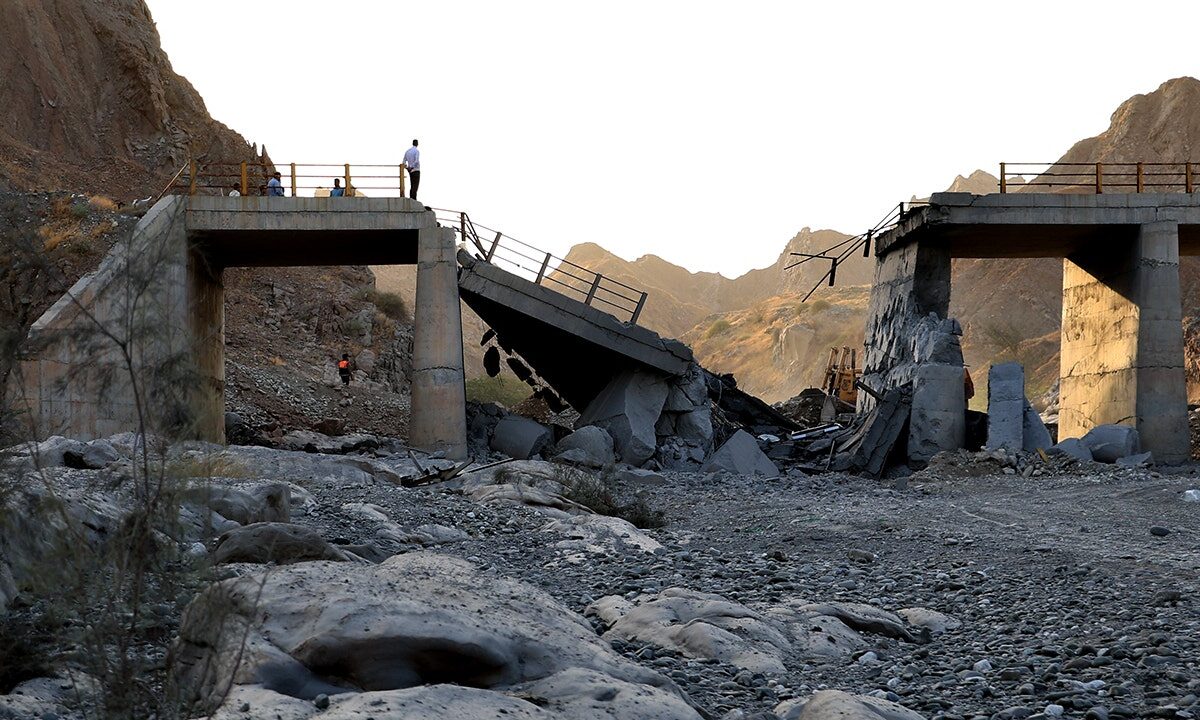
Context: oil-market moves and shipping disruptions can be tracked via commodity markets and independent reporting; maritime insurance and routing changes around the Strait of Hormuz have been widely reported in past regional episodes. The specific damage and casualty claims in the column should be checked against independent reporting and official statements.
Paths to a ceasefire and what comes next
Per the author, a rapid ceasefire would require Iran to stop firing on international shipping and to accept comprehensive IAEA inspections of known nuclear sites, including deep or contested facilities named by the column. The piece argues those steps would permit a quick halt to major combat operations.
Alternate scenarios the column raises include a protracted blockade-and-strike campaign if Iran refuses inspections or continues attacks; the author frames U.S. maritime pressure and strikes as levers to compel compliance.
By the numbers (reported)
- Reported U.S. deaths: 17 or 18 (as reported in the Fox News column).
- Reported Israeli deaths: 60 (as reported in the column).
- Reported Iraqi deaths: more than 100 (as reported in the column).
- Reported wounded U.S. personnel: more than 420 (as reported in the column).
- Reported oil price context: ~>$80 per barrel in the period cited by the column.
FAQ
Who does the article say has been killed in the Iran conflict?
The column lists U.S. losses of 17 or 18 service members, about 60 Israelis, and more than 100 Iraqis, plus claimed Iranian military and civilian losses. These are presented here as the author’s reported figures and are not independently verified in the column.
Has Iran’s nuclear program been destroyed as claimed?
The column asserts the program is “obliterated” and that breakout capability is crushed, but it also notes limits on access to some deep facilities. Independent verification would require IAEA inspections and detailed public reporting by neutral inspectors; the article’s claim should be treated as unverified until such confirmation is published.
What would Iran need to do to get a ceasefire quickly?
According to the column, Iran would need to stop attacking shipping and permit comprehensive IAEA inspections of known nuclear-related sites. The column frames those steps as sufficient for a rapid ceasefire; independent actors would need to negotiate and verify compliance.
Sources and further reading
- Primary source (opinion column summarized): Fox News opinion: “MORNING GLORY: America is winning its battle with Iran. It’s only a matter of time”.
- International Atomic Energy Agency (IAEA) — official site for inspection reports and statements: https://www.iaea.org.
- U.S. Department of Defense — official statements and press releases: https://www.defense.gov.
- U.S. Department of State — official diplomatic statements and guidance: https://www.state.gov.
- Independent regional reporting hubs for verification and context: Reuters Middle East: https://www.reuters.com/world/middle-east/ and AP Middle East coverage: https://apnews.com/hub/middle-east.
Final risk note: casualty totals, damage estimates and claims about nuclear destruction in the sourced Fox News opinion column are reported by the author and are not independently verified within that piece. Readers should treat such assertions cautiously pending confirmation from the IAEA, official government releases (DoD/State), or independent investigative reporting.