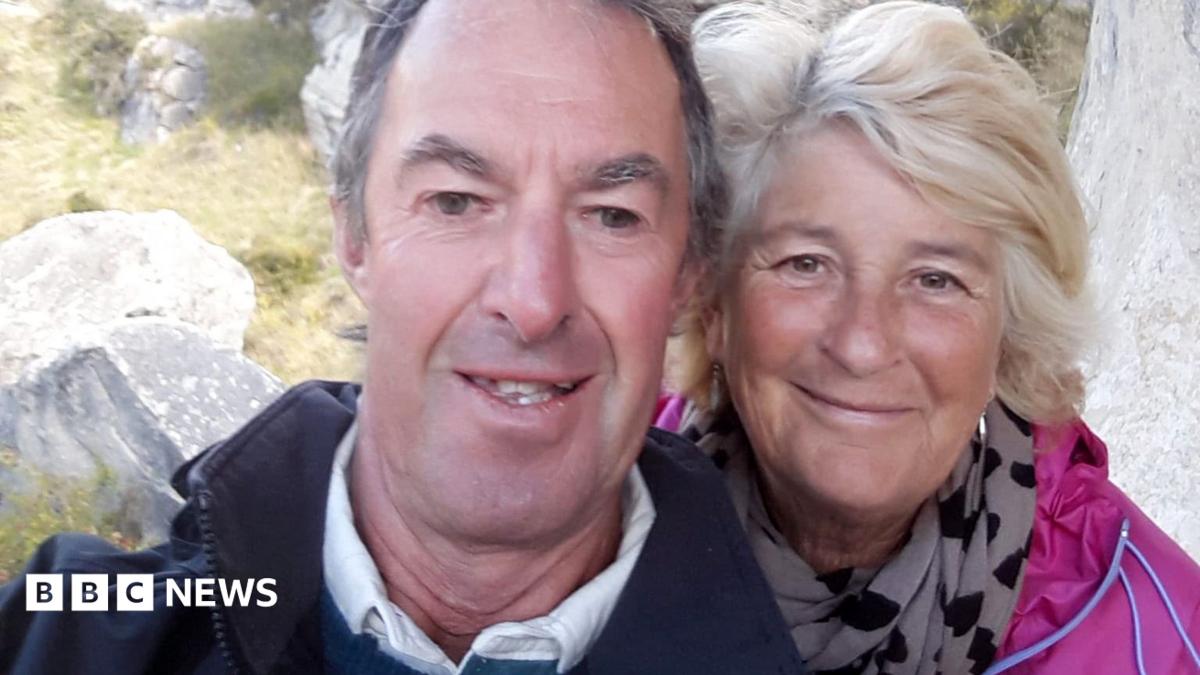
A British man has told BBC reporters he survived a Spain wildfire by sheltering inside his car while flames tore through the village where he was staying. The BBC report says his wife and several friends are thought to have died trying to walk to safety, though official confirmation has not yet been released.
The account, published by BBC News – Top Stories on 2026-07-13T17:31:54.000Z, describes a fast-moving blaze that left residents scrambling. Local emergency services and authorities have said they are still working to secure the area and establish an accurate casualty list.
What happened
The BBC report says a wildfire swept through a village in Spain, rapidly changing conditions and overwhelming escape routes. Winds, hot dry weather and the availability of fuel such as scrub and woodland can allow flames to move unpredictably; witnesses described a scene in which people were forced to make split-second decisions about how to flee.
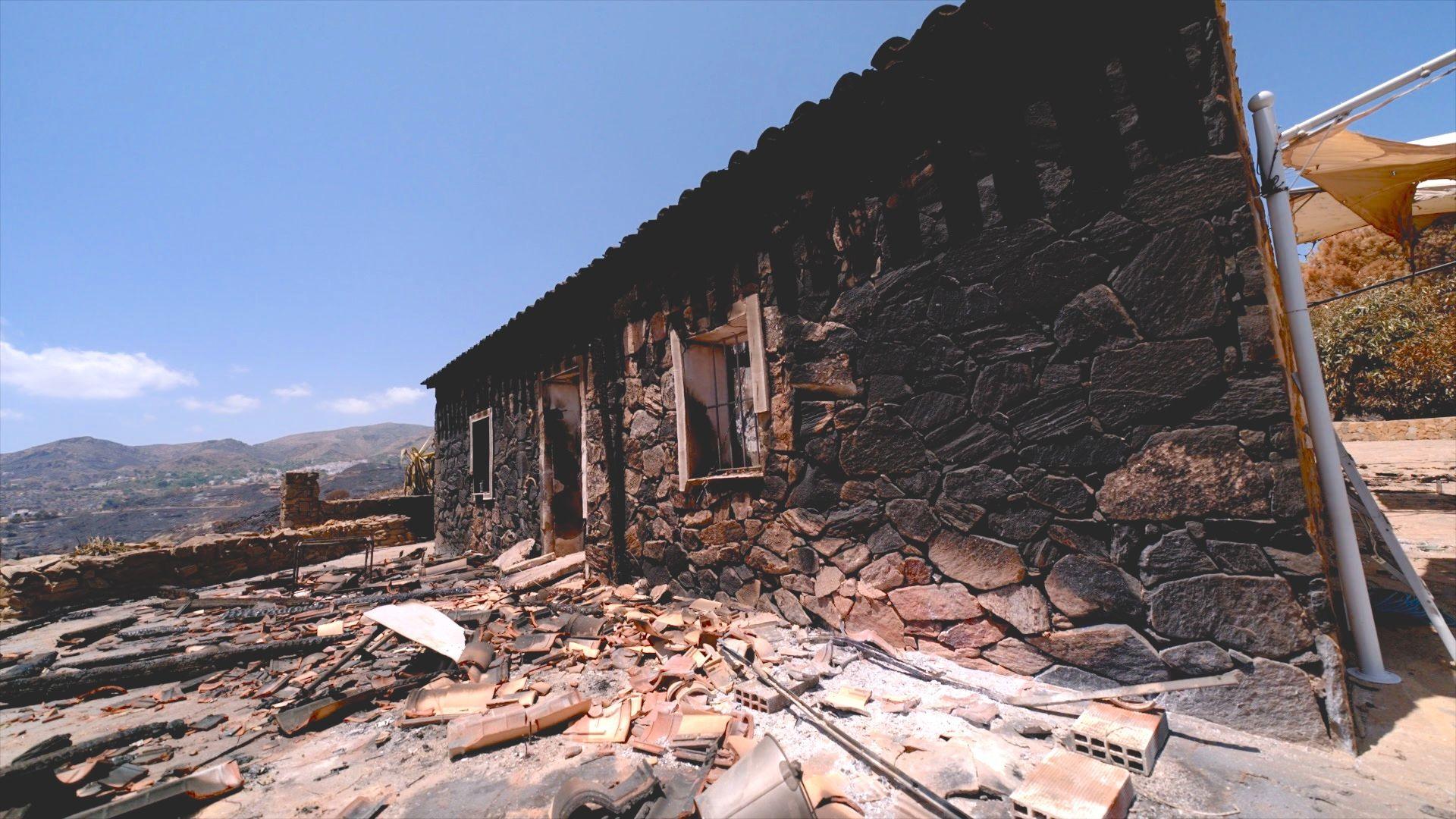
According to the report, several people attempted to walk to safety when the fire reached populated areas. The BBC headline and the story note that some of those people are thought to have died while trying to walk to safety, but authorities have not yet issued formal confirmations.
Survivor account: sheltering in a car during the Spain wildfire
Malcolm Timbrell, identified in the BBC article, said he survived by staying inside his car as the flames passed through. He told BBC reporters that he kept the doors and windows closed and remained as low-profile and sheltered as possible while the fire moved past.
The BBC account describes him watching flames and thick smoke reduce visibility and create an atmosphere of chaos. He recalled seeing other people attempting to flee on foot and the difficulty of finding a safe route amid falling debris and sudden shifts in wind.
The report conveys that Mr Timbrell believes sheltering in the vehicle helped him avoid the worst of the heat and smoke, but it notes that the full circumstances and outcomes for others remain unverified pending official searches and statements.
Local impact and unconfirmed deaths
The BBC article reports that Mr Timbrell’s wife and several friends are thought to have died when the wildfire swept through the village. The headline specifies they died trying to walk to safety; the story repeatedly flags this as reported information rather than confirmed fact.
Local emergency services are conducting search and recovery operations. Authorities typically need time to recover remains, carry out identifications and notify families before issuing formal casualty figures. For now, officials are treating the situation as an active incident with ongoing rescue and accounting work.
Residents displaced by the blaze face immediate needs for shelter, food, medical attention and help dealing with smoke inhalation or burns. Local authorities and emergency teams commonly set up temporary reception centres and coordinate medical care, but exact details of sheltering and aid efforts in this incident have not yet been published by officials.
Background: wildfire risks and common escape mistakes
Wildfires are capable of producing rapid, extreme conditions. Ember showers can start spot fires ahead of a main front; sudden wind shifts can send flames into previously safe areas; and smoke can reduce visibility to near zero. A village fire can therefore escalate quickly from a manageable blaze to a life-threatening emergency.
In some circumstances a closed vehicle can offer short-term protection from heat and smoke, which is why people occasionally shelter in cars when escape routes are compromised. But cars are not a guaranteed refuge: they can become engulfed, stall, or be cut off by flames and falling debris. Emergency guidance emphasises leaving early when warnings are issued, following official evacuation orders, and using established evacuation routes rather than attempting improvised footpaths under duress.
Common mistakes that increase risk include trying to outrun flames on foot along exposed routes, returning to evacuated areas to recover belongings, and failing to have a basic evacuation plan and emergency kit ready. If trapped, experts advise finding cleared, open ground, staying low to avoid smoke inhalation, and calling emergency services if possible.
What comes next
Authorities are expected to continue search, rescue and recovery work and to issue formal casualty statements once they can confirm identities and circumstances. Investigations into the fire’s cause and timeline will follow, but early reports do not establish origin or responsibility.
The BBC report repeatedly emphasises that the deaths are described as “thought to have died,” reflecting the uncertainty until official confirmations are made. Readers should treat early accounts as developing reporting and watch for statements from local Spanish authorities and emergency services for definitive information.
Frequently asked questions
How did the survivor escape the Spain wildfire?
The BBC reports that Malcolm Timbrell sheltered inside his car as flames passed through the village. According to the account, keeping the vehicle closed and waiting for conditions to improve is what he credits with helping him survive.
Are the reported deaths confirmed by officials?
No. The article states that his wife and friends are thought to have died; official casualty confirmations are pending. Authorities must complete searches and identification before issuing formal statements.
What safety steps should people take during a wildfire?
Evacuate early when ordered, follow official evacuation routes, keep an emergency kit and a plan, avoid walking through smoke, and heed instructions from emergency services. Vehicles can offer temporary protection but are not foolproof.
This account is based on an early BBC News report and should be read as an initial report of a developing situation. Official statements from local Spanish authorities and emergency services will provide definitive casualty and incident details.
Source: BBC News – Top Stories (published 2026-07-13T17:31:54.000Z)