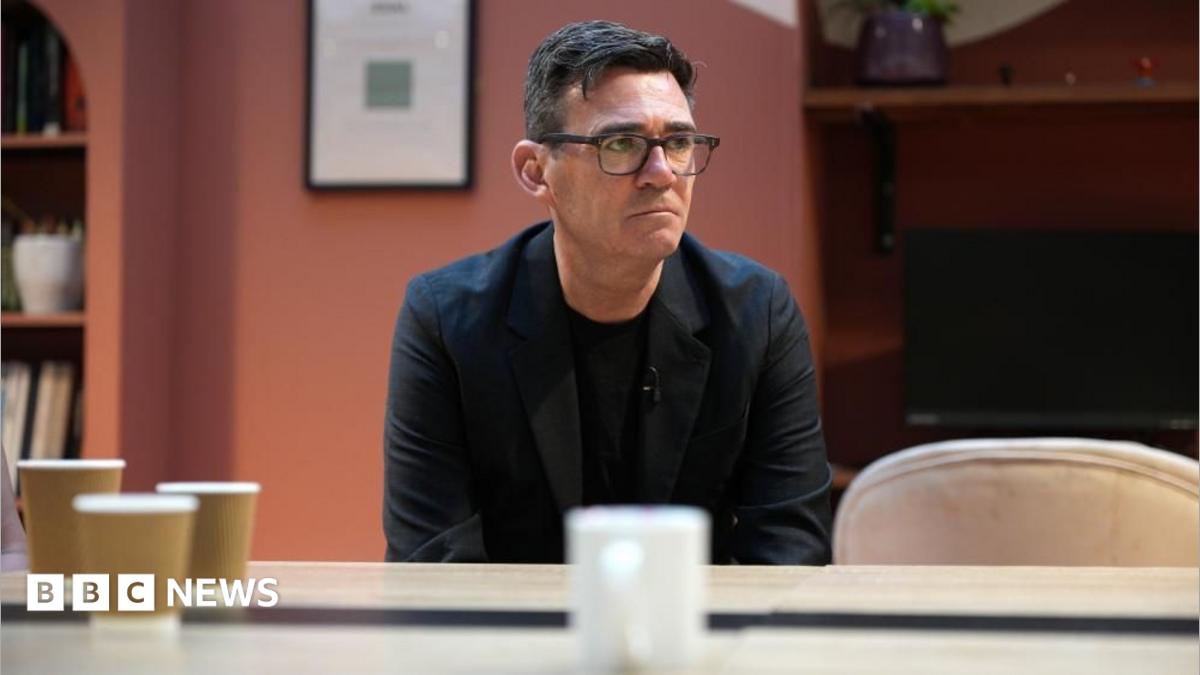
Prime Minister Burnham said that ending rough sleeping would be his first policy priority as leader, placing “ending rough sleeping” at the top of the new government’s agenda. The move signals an early focus on homelessness policy but leaves open how quickly or by what means the aim will be delivered.
Officials described the pledge as a directive for initial cross-department work rather than a fully costed delivery plan. At the time of the announcement there were few published timetables, which means ministers will need to set measurable milestones and spell out any new funding to show how the commitment will be pursued.
What Burnham pledged
Burnham framed the commitment to ending rough sleeping as an immediate government priority. The pledge indicates the administration intends to concentrate central government effort on homelessness policy early in its term, including coordination between Whitehall departments and local authorities.
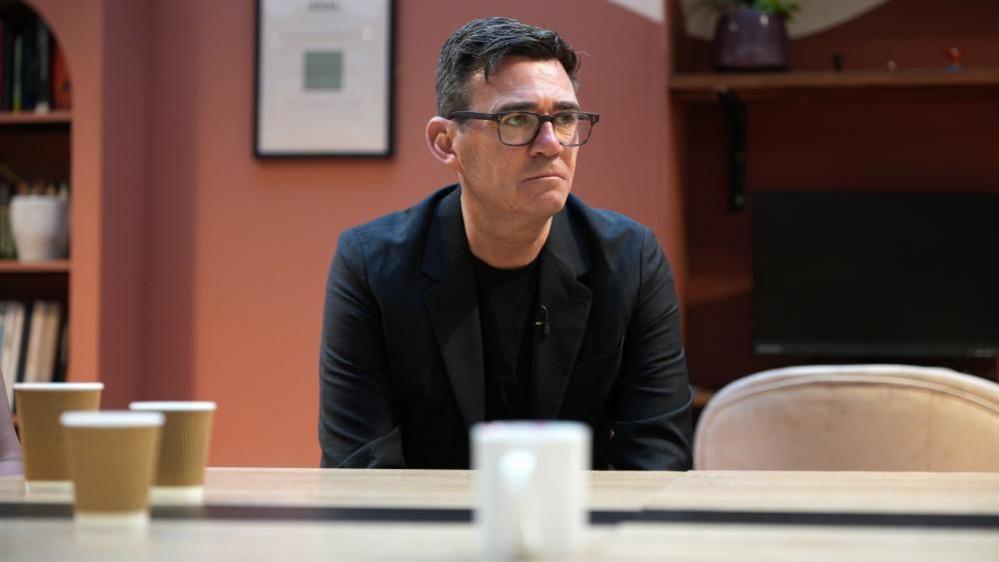
On announcing the pledge, Downing Street said it would launch work to identify immediate actions and longer-term reforms. Those tasks are expected to include assessing emergency accommodation capacity, outreach services and how to align health and social care support with housing moves.
Previous mayoral pledge and outcome
He made a similar promise while serving as Greater Manchester mayor. Reporting by the BBC and other outlets said that the earlier pledge did not meet its target; the BBC described that earlier promise as having failed to achieve its intended outcome in the timeframe originally set.
Observers and local commentators have pointed to a number of reasons why the Greater Manchester pledge proved difficult to deliver. Reductions in rough sleeping typically require simultaneous progress on housing supply, tailored support for people with complex needs, and sufficient funding for local services — gaps or delays in any of those areas can limit results.
Why ending rough sleeping matters
Ending rough sleeping has humanitarian and practical implications. People sleeping on the streets face heightened risks to physical and mental health and to personal safety. For communities and local services, visible rough sleeping is also a marker of unmet social needs and increased pressure on emergency and statutory services.
Policy responses commonly combine short-term measures — such as emergency beds and outreach teams — with medium- and long-term approaches, including Housing First models, supported housing, prevention services and measures to increase affordable housing supply. Success depends on aligning these elements with sufficient funding, skilled staff and joined-up local delivery.
What could come next
To move from pledge to delivery, ministers will need to publish clearer goals and checkpoints. Practical next steps could include setting a national target or definition for “ending rough sleeping,” convening cross-government working groups, commissioning rapid assessments of current capacity, and engaging local councils and homelessness charities to test proposals.
Timelines are likely to be staged. In the short term, the government may announce measures intended to shore up emergency accommodation and expand outreach capacity. Over the following months, ministers could seek to set interim benchmarks and commission pilots or expansions of proven models such as Housing First. Any credible plan will also identify how success will be measured and monitored.
Delivering the pledge will also involve practical trade-offs: identifying new or repurposed funding, recruiting and training staff for outreach and support services, and coordinating health, substance misuse and social care interventions that often intersect with homelessness.
Background and context
Efforts to reduce street homelessness across the UK have produced mixed results. Local authorities have trialled a range of approaches, from rapid rehousing and prevention services to Housing First pilots that prioritise stable housing accompanied by support. The scale and pace of change have varied by area and have often depended on local housing markets and available funding.
Experts caution that a single prime ministerial pledge will need sustained political attention and resources to change outcomes at scale. Policymakers and homelessness groups typically stress sustained investment, clear short-term actions, and rigorous monitoring as prerequisites for measurable progress.
Frequently asked questions
What did Burnham promise on ending rough sleeping?
He pledged that ending rough sleeping would be his first policy priority as prime minister, signalling early government focus on homelessness. Officials said initial work will begin to identify immediate and longer-term actions, though a detailed delivery plan had not been published at the time of the announcement.
Had he made this pledge before as mayor?
Yes. As Greater Manchester mayor he made a similar pledge. Reporting, including by the BBC, said the earlier pledge did not meet its target, and commentators cited structural challenges such as housing supply and joined-up local services as key obstacles.
What are likely next steps to deliver the pledge?
Likely next steps include setting specific targets, establishing cross-department working groups, engaging local authorities and charities, and announcing short-term support measures to increase emergency accommodation and outreach while longer-term housing and support plans are developed.
Source: BBC News – reporting on Burnham’s previous Greater Manchester pledge and the new national announcement. Full article: https://www.bbc.co.uk/news/articles/c0jl839j6z3o?at_medium=RSS&at_campaign=rss