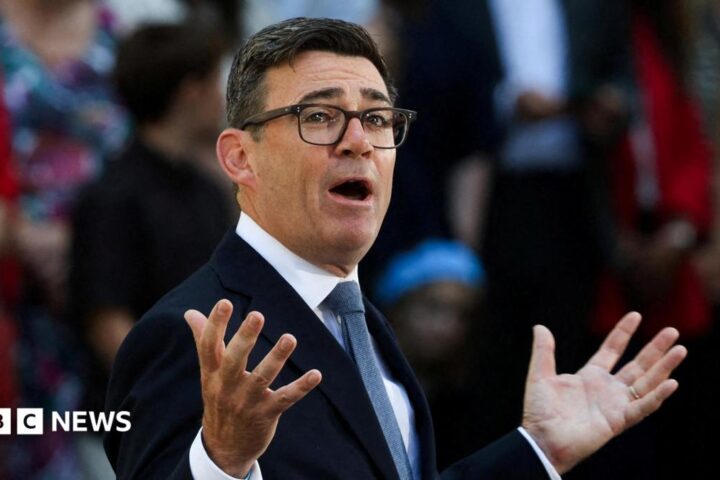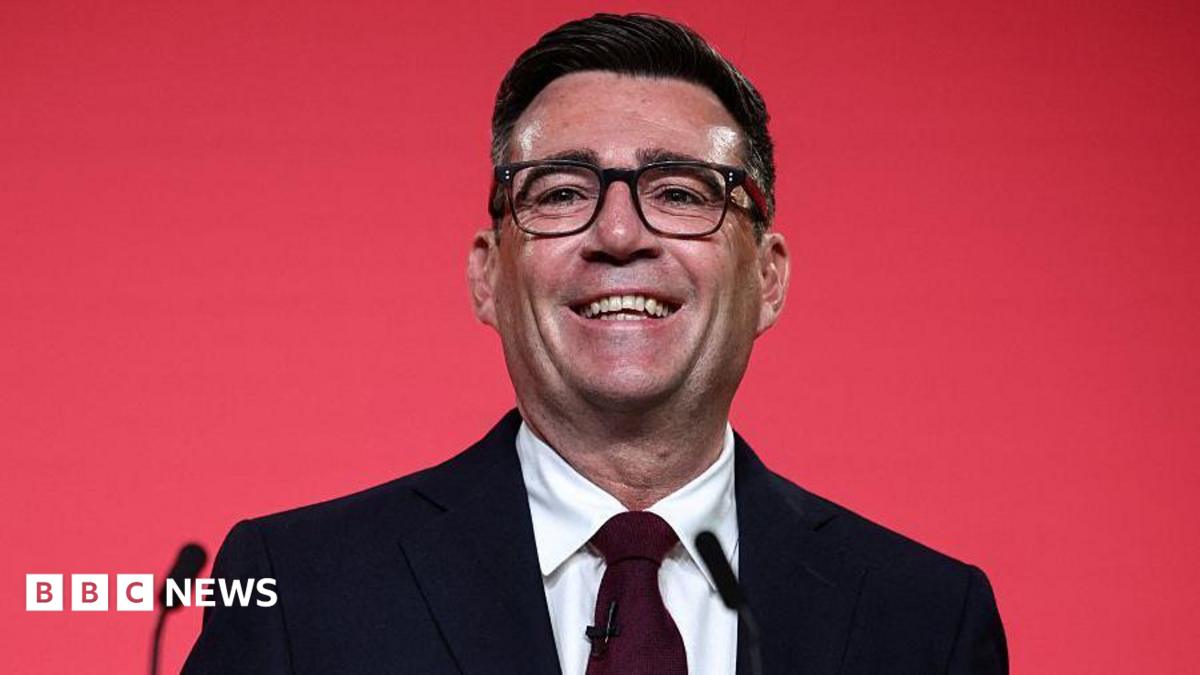
According to BBC reporting, Labour leader Burnham will use his first speech from Downing Street to promise “more breathing room” as he prepares to take office on Monday. The reported line is meant to signal an early shift in tone: a focus on easing immediate pressures on households and public services rather than sweeping, immediate changes. In the first address he is expected to name short-term support measures, outline stabilising steps for core services and set out how his administration will buy time to plan longer reforms.
What Burnham said
BBC News reports that in his first address Burnham will promise “more breathing room” for households and public services. The phrase is presented as a political signal of moderation — prioritising relief and operational stability in the weeks after the transition rather than launching a rapid programme of wide-ranging policy shifts.
The reported pledge does not include full policy detail. According to the BBC, aides say the immediate emphasis will be on concrete, manageable steps: targeted support for those most affected by the cost of living, short-term measures to reduce disruption in public services, and clearer signals to business and markets to restore confidence.
Key domestic priorities
As Labour leader and the incoming prime minister, Burnham is expected to signal several domestic priorities in the Downing Street address, framed as immediate stabilisation and preparation for longer-term reform, BBC reporting says.
- Public services: stabilising funding flows, reducing operational disruption in the NHS and schools, and setting short-term management targets to prevent service breakdowns.
- Cost of living: targeted relief measures to ease urgent household pressures, prioritising help for the most vulnerable rather than universal new spending pledges.
- Economic stability: signalling predictable, steady policymaking to restore business and market confidence instead of abrupt policy shifts.
- Local services and levelling up: reaffirming commitments to improve services outside London while sequencing initiatives to deliver early wins.
BBC sources indicate the language will stress delivery, sequencing and restraint: finishing urgent operational tasks first and taking time to design longer-term reforms. That approach is presented as deliberate — seeking to reduce churn and allow ministers space to set priorities based on assessments and briefings.
Why this matters
Burnham would become the seventh prime minister in 10 years if the transition proceeds as reported. The early tone of a new administration affects political debate, market expectations and the day-to-day decisions facing public service managers.
A pledge of “more breathing room” is significant because it reframes the immediate agenda. Instead of presenting an urgent, transformative programme from day one, the incoming government signals an attempt to calm expectations and focus on stabilising delivery. That can reduce short-term uncertainty for households and institutions, according to analysts cited by the BBC.
However, positioning a government on steadiness also carries risks. Opponents and some supporters will test whether the rhetoric matches action. Slower, cautious approaches may frustrate groups seeking faster structural change, while markets and international observers will watch whether the new administration follows through on concrete measures to shore up confidence.
For public sector managers and households, the immediate practical question is whether the early steps outlined in Downing Street translate into rapid operational relief. If short-term funding decisions and targeted support arrive quickly, they may ease pressures while longer policy work continues in the background.
What comes next
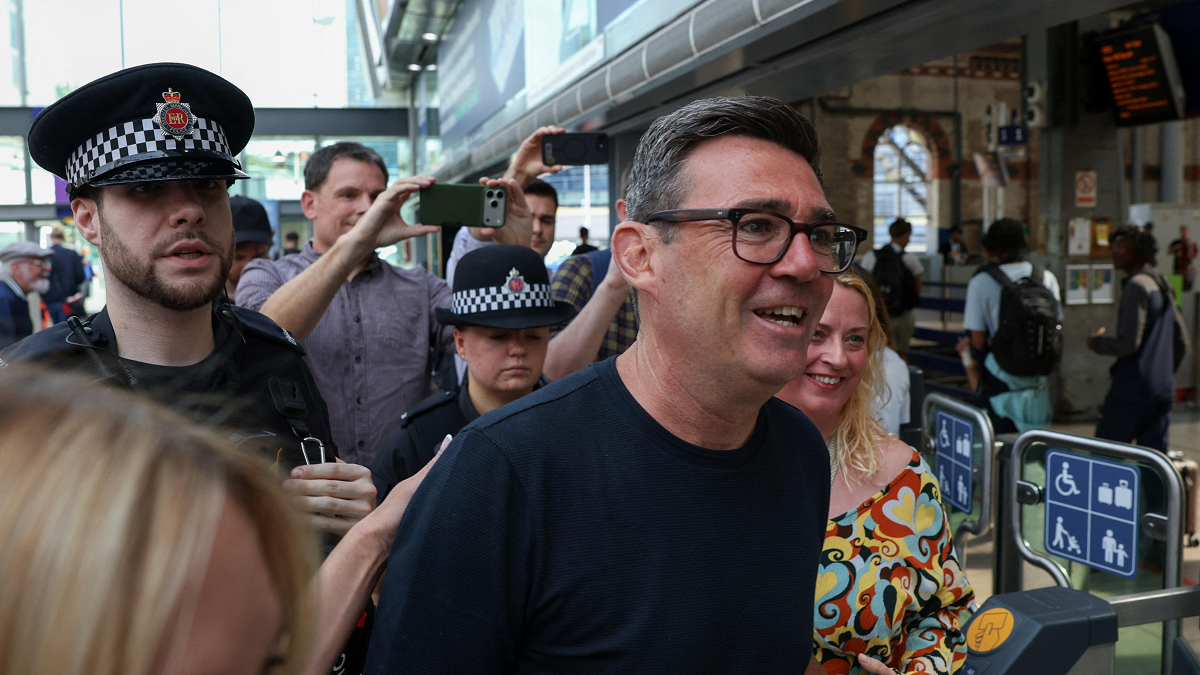
The BBC reports the formal transition is planned for Monday, with Burnham moving into Downing Street and delivering his first speech shortly afterwards. The address is expected to outline the prioritised early actions described above.
After that speech, reporting suggests a short sequence of steps:
- Transition Monday: formal handover and the first Downing Street address setting the tone.
- Within days: immediate operational decisions — for example, short-term allocations for critical public services and announcements of targeted household support.
- Over the following fortnight: appointments to key Cabinet and ministerial roles and publication of schedules for fuller policy statements and consultations.
- Subsequent weeks: staged delivery of more detailed plans and any legislative timetables, conditioned on briefings and parliamentary timing.
Observers will watch how quickly the new cabinet is formed and whether the government publishes a clear timeline for substantive work. The pace and specificity of follow-up announcements will be an early test of whether the “more breathing room” pledge translates into measurable relief.
Source attribution
This article is based on BBC reporting. Source: BBC News – Top Stories. Pledges described are reported intentions by the incoming prime minister and may not reflect enacted policy. Readers should treat early promises as political signals that require later confirmation in formal policy documents and government announcements.