Caitlin Clark hard contact timeline: Caitlin Clark’s rookie 2024 WNBA season drew unusually intense scrutiny over repeated hard-contact plays and how officials handled them. This article traces the notable incidents, the officiating outcomes and public reaction so readers can see the sequence and sources for each reported upgrade or review.
Below is a strict chronological timeline of reported incidents, followed by a focused section on officiating and replay outcomes, injuries and player quotes, public reaction (including the WNBPA statement) and what to watch next. Where applicable, items note the outlet that first reported the sequence and whether the WNBA’s official game reports or box scores reflected retroactive classification changes.
Caitlin Clark hard contact timeline: key incidents
- May 2024 — WNBA debut vs. New York Liberty: In Clark’s WNBA debut, she ran into a standing screen set by Breanna Stewart and hit the floor. The play was ruled legal by on-court officials; the event helped spark early discussion about how opposing teams would defend Clark (reported in contemporary game coverage).
- Early 2024 season — game vs. Los Angeles Sparks: Clark faced heavy defensive pressure in several early games; one contest against the Sparks included extended physical pressure and numerous free-throw opportunities for Clark. Reporters noted Clark’s postgame comments about opponents being physical with her (as reported in season coverage).
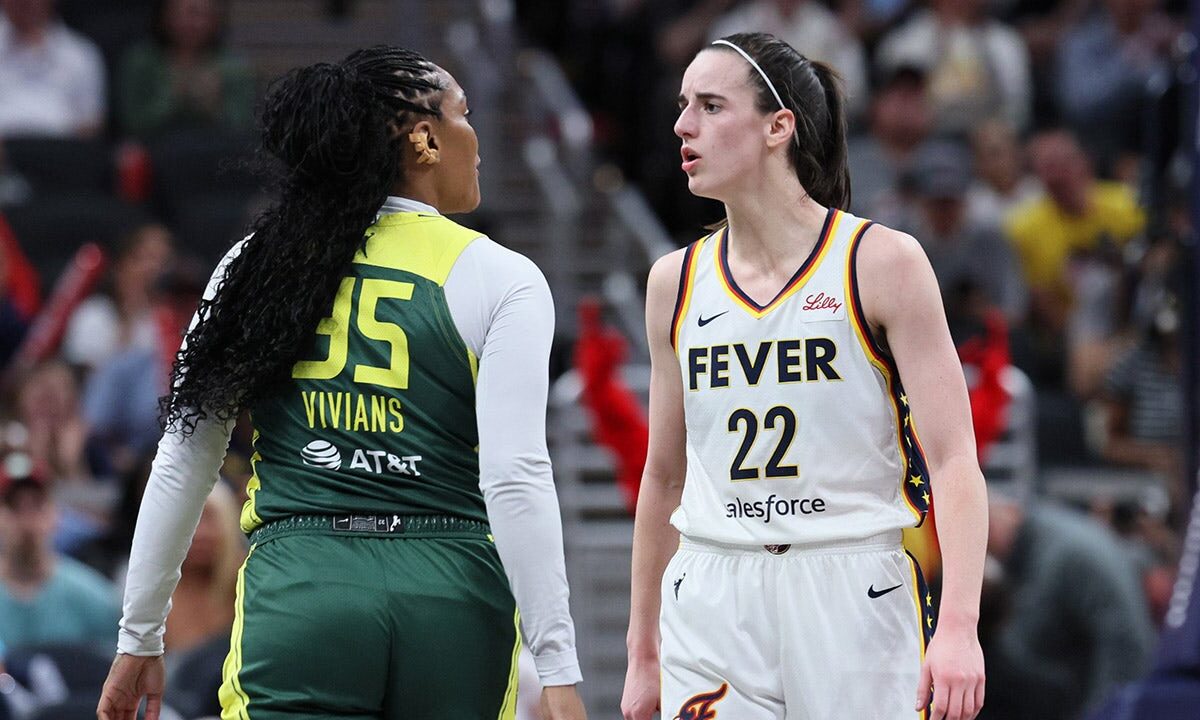
- Early season — Seattle Storm (Victoria Vivians chest contact): After Clark hit a three-pointer in a game against Seattle, Victoria Vivians made chest contact with Clark. Officials assessed double technical fouls on the play in real time, per game reports at the time.
- Chicago Sky series — Chennedy Carter hip check (retroactive upgrade reported): During a game involving Chicago, Chennedy Carter delivered a hard shoulder/hip contact that knocked Clark to the floor during an off-ball sequence. The play was initially called a common foul on the floor; subsequent reporting (see Fox News coverage) noted the WNBA later reflected an upgraded classification in its official game record. Where available, the league’s official box score/play-by-play should be consulted for the finalized classification.
- Midseason — screen involving Jonquel Jones and reported ear injury: Clark left a game after contact on a screen and later described an ear injury in media comments. In postgame remarks reported in coverage, Clark said she had sustained an eardrum injury after the sequence. That medical detail is reported from Clark’s on-record comments; readers should consult team medical updates or WNBA injury reports for official medical confirmation.
- Regular season — Angel Reese forearm contact (upgraded in league records per reporting): In one contest, Angel Reese’s forearm struck Clark’s head during a loose-ball/contest situation. Initial on-court rulings differed from later classifications; reporting cited the WNBA’s retroactive upgrade to a Flagrant-1 in the official game report or box score.
- July 14, 2024 — Minnesota Lynx game: On a fast break Clark was hooked and in the ensuing exchange Clark was assessed a technical after contact that also drew a personal foul on Minnesota. The play and the in-game rulings were reported in contemporaneous game coverage.
- Subsequent regular-season play — Diamond DeShields contact (retroactive upgrade reported): A high-speed collision that sent Clark sliding across the floor was initially recorded one way on the floor and, according to later reporting, was upgraded in the league’s official record to a Flagrant-1 after review.
- Sept. 11, 2024 — Las Vegas Aces game (Jackie Young contact): Jackie Young’s inadvertent elbow to Clark’s face led Clark to request a review; officials ultimately did not upgrade the call to a flagrant during the game, according to game-day reports and the play-by-play.
- Playoffs, Game 1 at Mohegan Sun Arena — DiJonai Carrington face/eye contact (reported Sept. playoff series): In a first-round matchup, DiJonai Carrington reached for a pass and her hand made contact near Clark’s face. Replays circulated widely online showing fingertip contact near the eye area. Clark left the play with bruising around the eye and had difficulty shooting for part of the series, per game coverage and postgame comments. Officials did not call a flagrant at the moment; retrospective reporting and replay discussion followed. Reporting attributes intent as contested — Carrington denied intentionally gouging Clark in on-record comments and others urged caution before assigning intent based on replay alone.
Officiating and replay outcomes
Across the season the WNBA used replay and postgame classification updates to change several on-court rulings. Multiple sources that covered these incidents noted that some plays originally ruled as common fouls or technicals were later reflected as Flagrant-1s in the WNBA’s official box scores or play-by-play logs. Where the article below references an upgrade, that characterization follows reporting that compares the in-game call to the league’s later official record.
Because upgrades occur via the league’s review and stat-correction process, the most authoritative record for any particular game is the WNBA’s official game report or box score on wnba.com. Readers seeking confirmation of an upgrade should consult the WNBA’s official game logs for the specific date and matchup cited above.
Injuries, player quotes and medical notes
Clark has spoken on the record about physical plays and at least one ear injury in postgame comments. For example, in coverage of the screen sequence she said she suffered an eardrum injury; that quote is reported in the game and postgame reporting cited below. Clark also appeared with visible bruising around the eye after the playoff contact. Team medical staff and official league injury reports are the primary sources for medical confirmations; this timeline relies on Clark’s on-record comments as reported in the coverage and avoids repeating unverified private-medical details.
Players involved in these contacts have issued varying on-record statements. DiJonai Carrington publicly denied intentional gouging, and other players described the season as physically intense. Reporters and the WNBPA urged restraint in asserting intent without direct evidence; this article follows that approach and reports intent as contested when appropriate.
Public reaction and union statement
Viral replays of several incidents amplified social media debate about whether Clark was being targeted and whether officiating was consistent. Public reaction included a range of perspectives: some commentators argued the fouls reflected an uneven officiating approach, while others defended physical—but legal—defense as part of WNBA play. These are summaries of public reaction reported in the coverage, not endorsements of any particular interpretation.
The WNBA Players Association publicly criticized a line of questioning from a reporter toward DiJonai Carrington about the eye-area contact, calling the approach harmful in a statement reported in coverage. The WNBPA’s statement urged more responsible media treatment of players and pushed back on framing that it said risked creating toxic narratives; that statement and excerpts are included in the reporting cited below.
What comes next for player safety and officiating
Expect continued attention to replay protocols, the transparency of retroactive classification changes and how the league communicates those decisions. Future official game reports and any WNBA or WNBPA guidance on enforcement will be the primary sources to watch. Upcoming matchups involving the Indiana Fever — especially series against physically aggressive opponents — will be the most closely watched contexts for whether officiating consistency changes.
FAQ
Was Caitlin Clark injured in multiple games?
Yes — Clark left at least one game with an ear injury (which she described in postgame comments) and appeared with bruising around the eye after playoff contact. This article relies on Clark’s on-record comments and contemporaneous game reports; official medical confirmations come from team or league injury reports.
Which incidents were upgraded to flagrant fouls?
Multiple incidents reported in season coverage were later reflected as upgraded classifications in the WNBA’s official game records, as noted by reporting that compared in-game calls to the league’s box scores. For the definitive status of any play, consult the WNBA’s official game report for the specific matchup on wnba.com.
Has the WNBPA or league responded to the eye-area contact?
The WNBPA issued a public statement criticizing a reporter’s questioning related to the eye-area contact; the league’s replay and review processes were used to evaluate on-court fouls. Both the WNBPA statement and league review actions are summarized in the reporting below.
Source attribution
This timeline is based on contemporary reporting and game records. Primary referenced sources include the original Fox News timeline coverage (used for chronology and quotes) and the WNBA’s official game reports/box scores for the relevant matchups (wnba.com) where the league’s postgame classifications are recorded. The WNBPA statement referenced in this timeline was reported in the coverage and is available via the union’s public channels.
Selected primary sources cited in coverage: Fox News — Caitlin Clark hard contact timeline; official WNBA game reports and box scores (https://www.wnba.com); WNBA Players Association public statements (https://wnbpa.com).