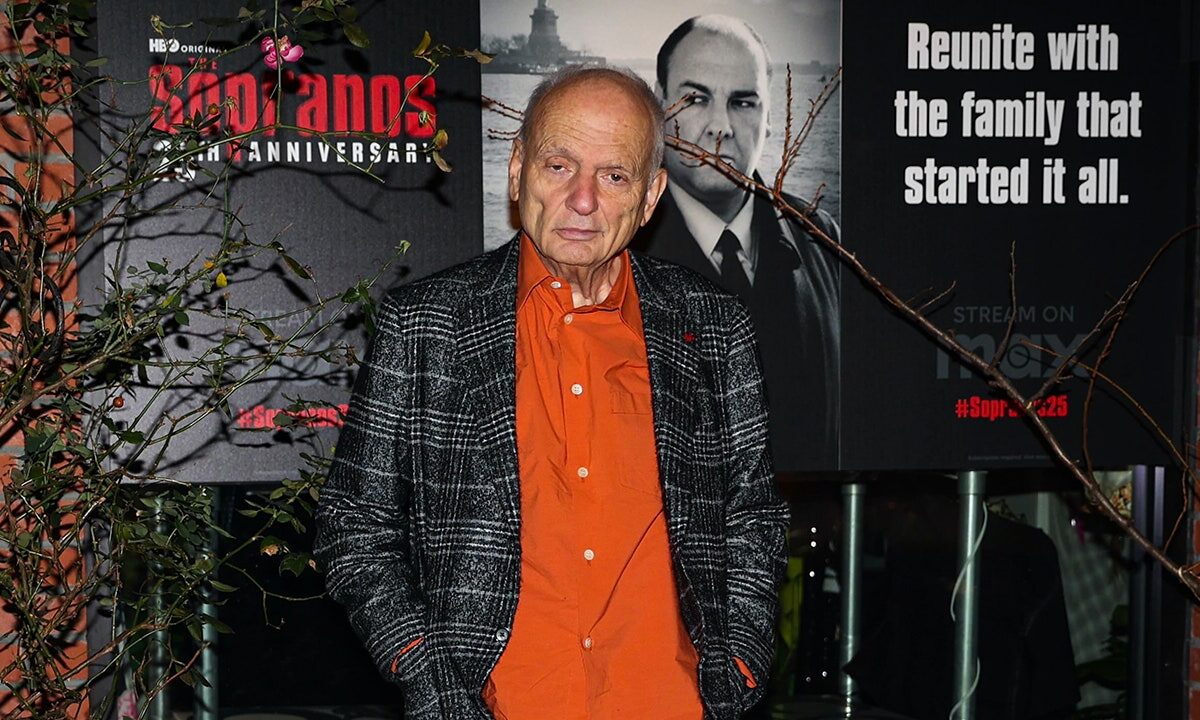
David Chase warned this week that political limits on creative work could be close at hand. “Since Trump, I’ve been concerned it’s only a little big or a hop, skip and a jump up to censorship,” he told Variety at the Karlovy Vary International Film Festival, framing the comment around the fragility of authorial freedom in contemporary culture (Variety).
David Chase warns censorship is near
Chase used the festival appearance to connect two threads: the specific projects he is developing and a broader anxiety about the political environment. He said those forces could converge in ways that make it harder for filmmakers to take risks. His warning — voiced to Variety — was blunt and immediate, delivered in the context of questions about what established creators can safely make today.
Chase’s current projects: Project: MKUltra and the LSD film
Chase confirmed with Variety that he is developing an HBO series called Project: MKUltra, which he described as rooted in the history of the CIA’s Cold War-era experimentation. The series is in early development; Chase did not lay out a production schedule but said he is actively working on the concept with HBO (Variety).
He also said he is shaping an independent feature about LSD centered on a college DJ, a project he framed as personal and risky. Chase noted this would mark his return to feature directing following his 2012 film Not Fade Away. Variety reported these project details during the festival interview, and Chase used them to illustrate why creative freedom matters when tackling controversial historical or cultural subjects.
How Hollywood rules and the Hays Code shaped content
To explain his concern, Chase reached back to the film industry’s earlier systems of control. The Hays Code — the self-censorship guidelines enforced in U.S. cinema from the 1930s to the 1960s — and later strict network television standards regulated depictions of sex, violence and even mundane actions on screen.
Chase recalled how granular those rules could be. He told Variety that in earlier TV work there were limits so specific you could not have a character “burp on camera” or show certain everyday objects. Those constraints forced writers and directors to invent workarounds; they also demonstrated how formalized standards can shape what stories get told.
Chase’s point was that political pressure operating through new channels — federal rhetoric, platform moderation or corporate policy — could act as a modern equivalent, with different mechanics but similar real-world effects on storytelling.
Trump policy and the censorship debate
Chase linked his worry to the current political climate. Fox News reported that President Donald Trump signed an executive order described by its title as “Restoring Freedom of Speech and Ending Federal Censorship” on his first day back in office; that coverage framed the measure as an administration effort to declare a federal stance on speech and related policies (Fox News). Variety’s interview with Chase referenced the same political debate when contextualizing his remarks.
It is important to note that descriptions of the order and its implications come from media reports; Chase and the outlets that covered his comments used the reporting to illustrate how official rhetoric about speech can ripple into corporate and platform decision-making, and thus into what artists feel free to create.
What comes next for Chase and Hollywood
Practically speaking, Chase’s projects remain at different early stages. The HBO series is in development and the LSD feature is being independently shaped, so firm timelines, casting or release plans were not announced at Karlovy Vary. Variety’s coverage made clear these are creative projects rather than finalized productions (Variety).
Public reaction will be an early test. A dramatization tied to Project: MKUltra will likely draw attention from historians, commentators and viewers who have strong feelings about intelligence-era narratives. The LSD film’s provocative subject matter could elicit conversations about depiction and responsibility.
Industry responses may take several forms: studios and streamers might preemptively steer away from contentious topics, creators could choose to self-censor, or companies may publicly defend provocative work. Trade publications and festival audiences often act as an initial barometer; how those communities respond will influence whether more networks and producers pursue similar material.
For established auteurs like Chase, the calculation is both artistic and practical. Taking on controversial subjects can preserve a creator’s voice and cultural relevance, but it can also raise business and distribution challenges. Chase’s comments at Karlovy Vary signal continued appetite for risky stories alongside a worry that external pressures could narrow the field of what gets made.
Key takeaway: Chase’s warning is less a prediction of an immediate clampdown than a call to attention. He used his festival platform to urge vigilance about the conditions that allow provocative storytelling to survive — from festival support and critical debate to the choices of networks and platforms.
Sources: This report draws on Chase’s interview with Variety at the Karlovy Vary International Film Festival and on Fox News coverage of the reported executive order. For original reporting, see the Variety interview and the Fox News story cited below.