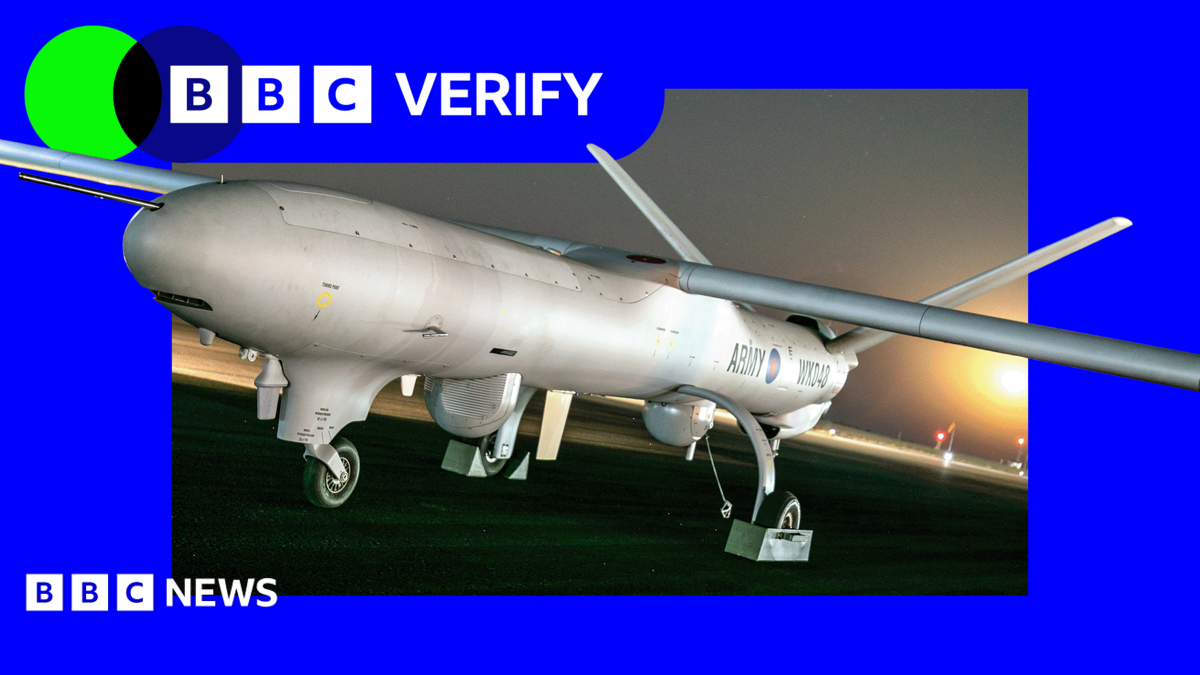
The Defence Investment Plan is the government’s latest multi-year blueprint for military spending and sits at the centre of a BBC Verify analysis published on 30 June 2026. This explainer uses the BBC Verify review to set out what the plan promises, how headline totals are constructed, and why there is uncertainty about whether the UK will meet Nato targets.
What the Defence Investment Plan says
The Defence Investment Plan presents a package of baseline budgets, new commitments and forecasted uplifts across several years. Published 2026-06-30, ministers framed it as strengthening capabilities and responding to strategic pressures.
BBC Verify examined the plan’s headline totals and the accounting choices behind them. The analysis emphasises that presentation decisions — including what counts as capital investment versus running costs, and which years are used for comparisons — materially affect the headlines reported by ministers and media.
How the numbers change defence spending
On paper, the plan increases defence spending over the covered period by combining existing departmental baselines with additional commitments. Year-on-year figures in the plan show an upward trend in nominal spending in many of the plan years.
BBC Verify’s review explains how those year-on-year changes are calculated and stresses the importance of delivery. Some rises depend on procurement schedules, the timing of equipment in-takes, and whether certain costs are treated as capital or as resource expenditure. Shifts between those classifications can make totals look larger or smaller without cash actually changing hands in the short term.
Analysts also note the role of economic assumptions. Forecasts for GDP, inflation and the exchange rate that underpins some equipment purchases can change the effective size of defence spending when expressed as a share of national income.
Will the UK hit Nato targets?
A key focus of BBC Verify’s analysis is whether the package closes the gap to Nato’s guideline that members spend 2% of GDP on defence. The report highlights that headline increases can bring the UK closer to 2% in some years, but it does not treat those outcomes as certain.
Meeting Nato’s 2% benchmark on a sustained basis depends on three linked factors: actual delivery of the planned spending, the path of GDP and economic growth, and the technical rules Nato uses to count eligible defence expenditure. BBC Verify treats the question as contingent — plausible under some scenarios, unlikely under others — and flags that accounting choices affect comparability with other allies.
What this means for policy and next steps
The plan provides ministers with a framework for setting procurement priorities and signalling commitments to allies. But it is not a finished budget: translating the plan into departmental allocations and cash flows will require further public budgets and parliamentary scrutiny.
Delivery risks include procurement delays, personnel cost pressures, and decisions to reclassify spending between capital and running costs. Any of these can alter the spending profile and whether the UK reaches Nato-style percentage targets in practice.
Key milestones to watch include forthcoming budget statements that allocate money to the Ministry of Defence; updates to procurement schedules; and independent reconciliations of the figures. BBC Verify’s analysis recommends close attention to how the government documents classification choices and the assumptions behind GDP forecasts.
FAQ
Will the Defence Investment Plan make the UK meet Nato’s 2% target?
Not automatically. BBC Verify treats the plan as improving near-term prospects but stresses the outcome is conditional on future budgets, economic performance and how Nato counts defence spending.
How much will UK defence spending rise under the plan?
The plan includes headline increases and year-on-year uplifts across the period it covers. BBC Verify’s piece provides the detailed breakdown and shows how classification and timing affect interpretation; readers should consult the original BBC analysis for the exact tabulated figures.
What are the main uncertainties in these figures?
Major uncertainties highlighted by BBC Verify include GDP and inflation assumptions, classification choices for spending items, and whether planned procurement and staffing targets are delivered on schedule. Small changes in those areas can change the share of GDP devoted to defence.
For the original BBC Verify analysis and the detailed tables that underpin this explainer, see the BBC source below. BBC Verify’s work is the basis for the figures and interpretation used here; its reporting explains the precise numbers and methodological notes in full.
Source: BBC News – Top Stories. Original story: How much more is being spent on defence and will the UK hit Nato’s targets? (Published 2026-06-30). Analysis in this article is drawn from BBC Verify’s reporting and is attributed accordingly.