Democratic Socialists Move From Fringe to Power After Primaries
Primary upsets in New York and Colorado have thrust Democratic Socialists from the margins into the center of a wider intra-party fight. Candidates aligned with democratic socialist ideas or progressive platforms scored notable victories, prompting energized celebration on the left and anxiety among moderates worried about messaging and general-election vulnerability. The shift is both electoral and symbolic: for the first time in many districts, voters nominated candidates who foreground broad economic reforms rather than incremental policy tweaks.
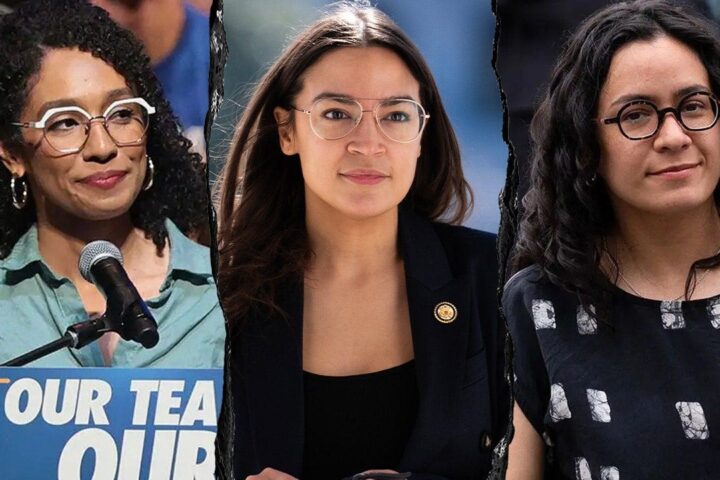
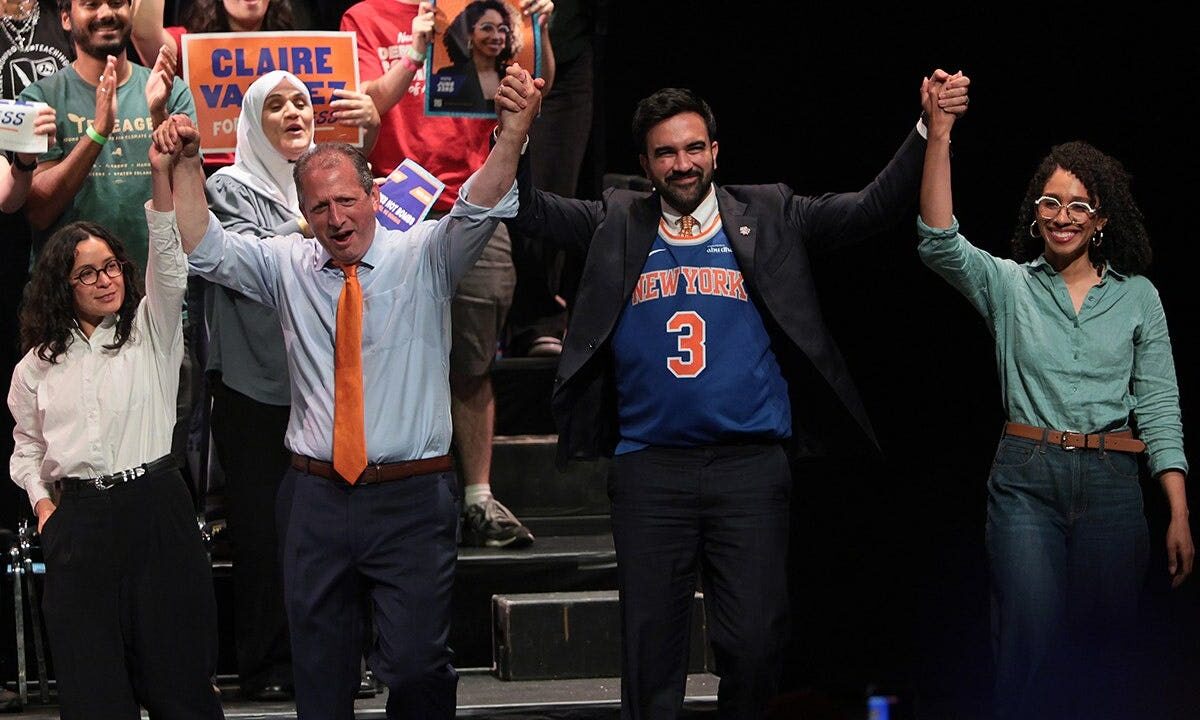
The most immediate headlines followed Melat Kiros’s upset over Rep. Diana DeGette in Colorado and competitive New York primaries that elevated nominees such as Darializa Avila Chevalier and Claire Valdez. House Democratic Leader Hakeem Jeffries publicly congratulated winners but did not offer formal endorsements, a posture that underscores party leaders’ caution as they weigh unity against optics going into the fall.
Primary shock: upsets and winners
Tuesday’s results overturned expectations in districts where incumbents had been seen as secure. Melat Kiros’s victory over a longtime member of Congress grabbed national attention because it signaled that a platform tied to economic justice and progressive priorities can resonate beyond traditional coastal liberal enclaves.
In New York, progressive nominees emerged in multiple primaries to replace or challenge established Democrats. Rep. Nydia Velazquez’s announced retirement after 32 years in Congress reshaped one open contest and cleared a path for new contenders; reporting attributes the retirement and subsequent contested races to local developments covered by national outlets. These are concrete outcomes: incumbents lost or are stepping down, and voters have nominated candidates who emphasize expansive progressive policies.
Democratic Socialists rise in the party
The term Democratic Socialists has become a focal point in coverage because it bundles a set of policy priorities — Medicare for all, universal child care, stronger labor protections and higher wages — that many younger and working-class voters find appealing. Campaigns invoking those ideas argue they address economic insecurity and health-care access in ways traditional Democratic messaging has not.
That appeal is double-edged. Supporters say bold proposals can mobilize new voters and reframe debates around inequality; critics inside the party warn that explicit socialist labels and uncompromising rhetoric may be easily caricatured by opponents and could cost swing voters in competitive districts. The tension between energizing a base and preserving broad appeal is now playing out in real-time across affected House races.
Resurfaced tweets and the Darializa controversy
The debate sharpened after reporting from multiple outlets, including CNN, publicized old social media posts attributed to Darializa Avila Chevalier. Those reports described posts that appeared to praise communist ideals and suggested increasing Marxist literature in libraries. It is important to frame these items as reported resurfaced posts and allegations from those outlets rather than settled facts about the candidate’s current views.
After the posts circulated in national coverage, party leaders and local organizers faced pressure to respond. Jeffries was asked whether nominees should be asked to apologize or clarify. He declined to press Avila Chevalier to recant publicly and told reporters his prior comments “speak for themselves,” signaling a preference for cautious public management of intra-party disputes. The episode illustrates how past online activity can quickly become a focal point in high-stakes primaries.
Reactions from leaders and opponents
Reactions split along predictable lines. Progressive activists and some labor leaders celebrated the new nominees and framed the wins as victories for working-class priorities, often using solidarity language at rallies. Moderates and some veteran Democrats urged clearer messaging, expressing concern that certain rhetoric could alienate independent or suburban voters in November.
Republicans seized on the primary outcomes to press a simple narrative: that the Democratic Party is moving left. GOP officials and strategists have labeled the party’s shifts as evidence that Democrats are embracing socialism, a charge Democrats must decide whether to contest or counter with different framing. The result is an intensified battleground over both policy and political labels.
Expert reaction and additional viewpoints
Political analysts and strategists caution that the practical impact of these primaries will vary by district. Some observers note that a progressive nominee can prevail in a safely blue district but struggle in a swing seat where voters are more moderate. Others argue that national money and message discipline can blunt attacks and that policy specifics — not labels — will matter most to persuadable voters.
On the other hand, Democratic officials focused on protecting House and Senate margins have signaled they will monitor competitive districts closely and may shift resources or messaging as necessary. Those internal decisions will help determine whether the party’s broader brand heads toward a leftward tilt or toward a more moderate, unified message for November.
What comes next for messaging and midterms
In the weeks ahead, Democrats face a strategic choice: rally behind energized progressive nominees and their policy agenda, or prioritize moderating rhetoric to broaden appeal in competitive districts. Either approach carries risk. Embracing bold policies could sharpen enthusiasm but also hand Republicans succinct attack lines; attempting to tamp down rhetoric could dampen turnout among the most motivated activists.
How leaders like Jeffries handle endorsements, fundraising coordination and public messaging will matter. Republicans are already building ad narratives around the primary results, and national groups on both sides will decide where to invest in response. The immediate priority for many Democrats will be damage control: clarifying nominee positions where necessary and preventing intra-party disputes from becoming the dominant story of the fall.
Key takeaways
- Primary upsets in Colorado and New York elevated nominees who emphasize progressive economic policies and stronger labor ties.
- Resurfaced social-media posts attributed to a candidate have complicated post-primary transitions and heightened scrutiny; those items are reported allegations in national coverage.
- Party leaders must balance coalition unity with the need to present a message that can win competitive general-election districts.
Source attribution: Reporting and analysis based on coverage by Fox News. Full source: The Democratic socialists are no longer on the fringe — Fox News.