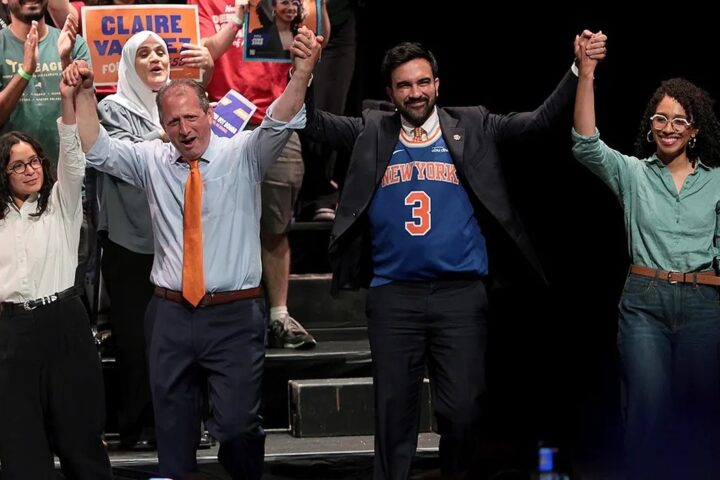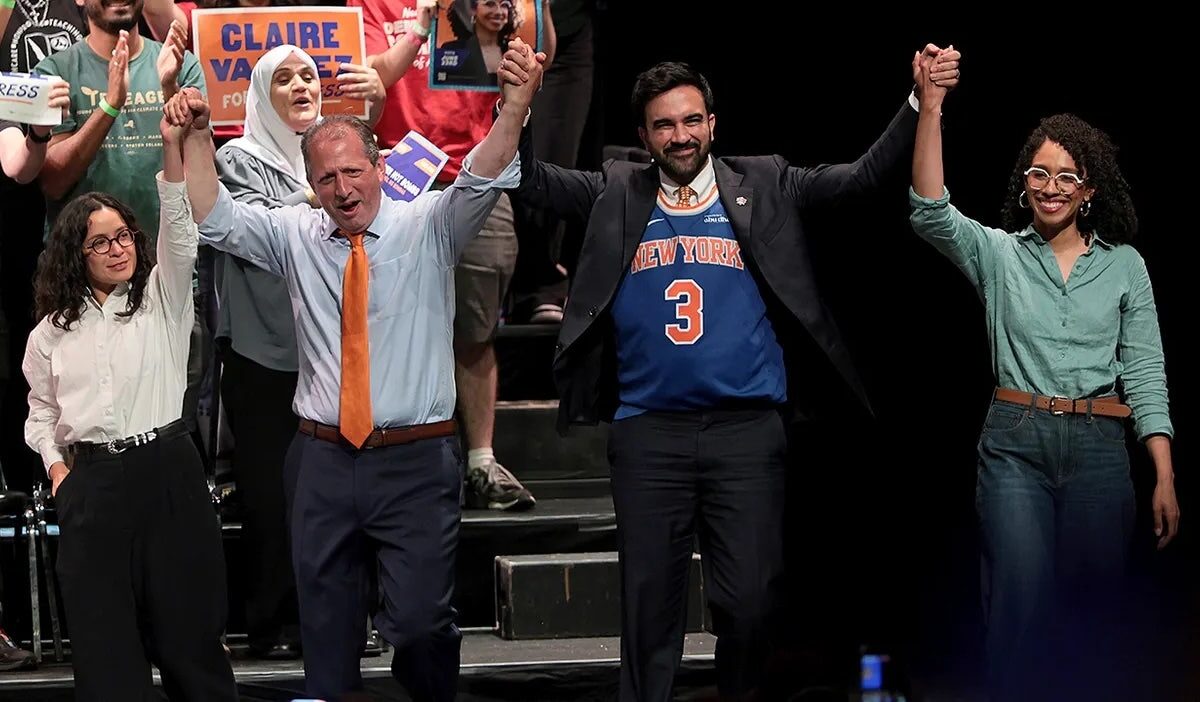
According to Fox News, the Democratic Socialists of America wasted little time after a string of New York primary upsets, signaling a national push to export tactics that helped unseat incumbents this month. Organizers framed DSA-backed wins in New York City as a test case and moved quickly to direct volunteers and small-dollar donors toward competitive contests coming up in late June and August.
Those New York results sharpen an internal Democratic debate over strategy and messaging. Supporters say the DSA’s economic-populist approach — focused on housing, health care costs and local service delivery — can mobilize base turnout; critics warn that nationalizing “socialist” labels hands Republicans potent attack lines in swing districts. Both dynamics are already shaping how campaigns plan advertising, fundraising and rapid response ahead of the next primaries.
What happened in the New York primaries
Fox News reported a pair of notable upsets: DSA-backed Darializa Avila Chevalier defeated Rep. Adriano Espaillat in a Manhattan/Harlem-area primary, and former state Assembly member Claire Valdez prevailed in another House contest with heavy support from Brooklyn lawmaker Zohran Mamdani. Those results, plus Mamdani’s rise as a prominent progressive endorser, have been cited by organizers and allied strategists as evidence the movement can catalyze insurgent campaigns inside the Democratic coalition.
Organizers celebrated the night and posted coordinated messaging that Fox News says included lines urging further action in upcoming races. Party operatives on both sides say the symbolic lift of those wins has already translated into donor outreach and volunteer recruitment outside New York.
How the Democratic Socialists of America are scaling the playbook
According to reporting and campaign observers, DSA leaders and allied groups are repeating a compact set of tactics: concentrated field operations in winnable neighborhoods, disciplined economic messaging on housing and costs, and rapid small-dollar fundraising campaigns timed to follow big wins. Fox News reported organizers used explicit calls to action in social posts and emails — including a widely circulated line urging supporters to “ELECT ANOTHER SOCIALIST TO CONGRESS ON JUNE 30TH” — to move money and people quickly into target races.
Those social posts and broader messaging have been amplified on platforms such as X (formerly Twitter); the DSA’s official X account is one public hub for the group’s outreach: https://x.com/dsa. Campaign watchers say the playbook pairs online small-dollar pushes with neighborhood canvassing and targeted absentee/mail efforts in districts where modest turnout swings can decide a primary.
Races now in DSA sights
Fox News notes DSA organizers have publicly flagged several primaries as immediate priorities. A top short-term target is the June 30 primary in Colorado’s 1st Congressional District, where Melat Kiros is challenging longtime Rep. Diana DeGette. Organizers say a win there would show whether the New York approach can work in a Western city with a different electorate.
Beyond Colorado, the group and allied activists are watching high-profile August statewide contests. Fox News reported attention on Michigan’s Democratic Senate primary, where DSA-aligned Abdul El-Sayed is among the contenders, and on Wisconsin, where state Rep. Francesca Hong is competing in the Democratic primary for governor. For background and official schedules, election pages at the Colorado Secretary of State, Michigan Secretary of State and Wisconsin Elections Commission provide primary calendars and result postings: Colorado SOS, Michigan SOS, Wisconsin Elections.
Political pushback and implications
National Republicans and some centrist Democrats warn DSA-branded nominees could make general-election messaging harder in swing districts. Mike Marinella, a spokesman for the National Republican Congressional Committee, told Fox News that Mamdani’s brand “as toxic as it comes,” a warning likely to surface in Republican TV ads and fundraising pitches.
Center-left analysts acknowledge the DSA’s strength in deep-blue urban areas while questioning whether the same tactics translate to mixed electorates. Analysts such as Matt Bennett of Third Way characterize the recent wins as concentrated in very blue enclaves and caution that progressive insurgents have struggled to flip competitive districts in past cycles.
All sides expect messaging to intensify as June 30 approaches. Democrats in vulnerable districts may seek to distance themselves from nationalized labels, while progressives will press sharper contrasts on economic issues. How campaigns balance local service messaging with national ideological framing could shape both primary outcomes and fall general-election narratives.
What comes next and why it matters
The immediate test is June 30, when Colorado’s 1st District and other nominating contests will indicate whether DSA-style campaigns can build traction outside New York. Organizers have urged supporters to mobilize and donate; opponents are preparing rapid-response lines linking nominees to “extreme” labels in swing areas, according to campaign communications reviewed by Fox News.
If DSA-backed candidates win in places like Denver and replicate turnout models in Michigan or Wisconsin, it could complicate conventional assumptions about electability and candidate recruitment heading into the midterms. If insurgents falter outside very blue urban cores, the episode may reinforce centrist arguments about who can carry competitive districts in November.
FAQ
What happened with Democratic Socialists of America?
Fox News reports that after DSA-backed candidates won notable New York primaries, the organization signaled a push to back insurgent campaigns in other states, prioritizing field work and economic messaging.
Why does Democratic Socialists of America matter?
DSA matters because its organizing model can reshape Democratic primaries and produce nominee profiles opponents may use in general-election messaging. Its focus on housing and cost-of-living issues has driven volunteer engagement and small-dollar donations in urban districts.
What happens next?
Watch the June 30 Colorado primary and the August statewide primaries in Michigan and Wisconsin for signs whether New York’s playbook can scale beyond heavily blue, densely populated urban districts.
Source: Reporting and analysis based on the Fox News article at Fox News.