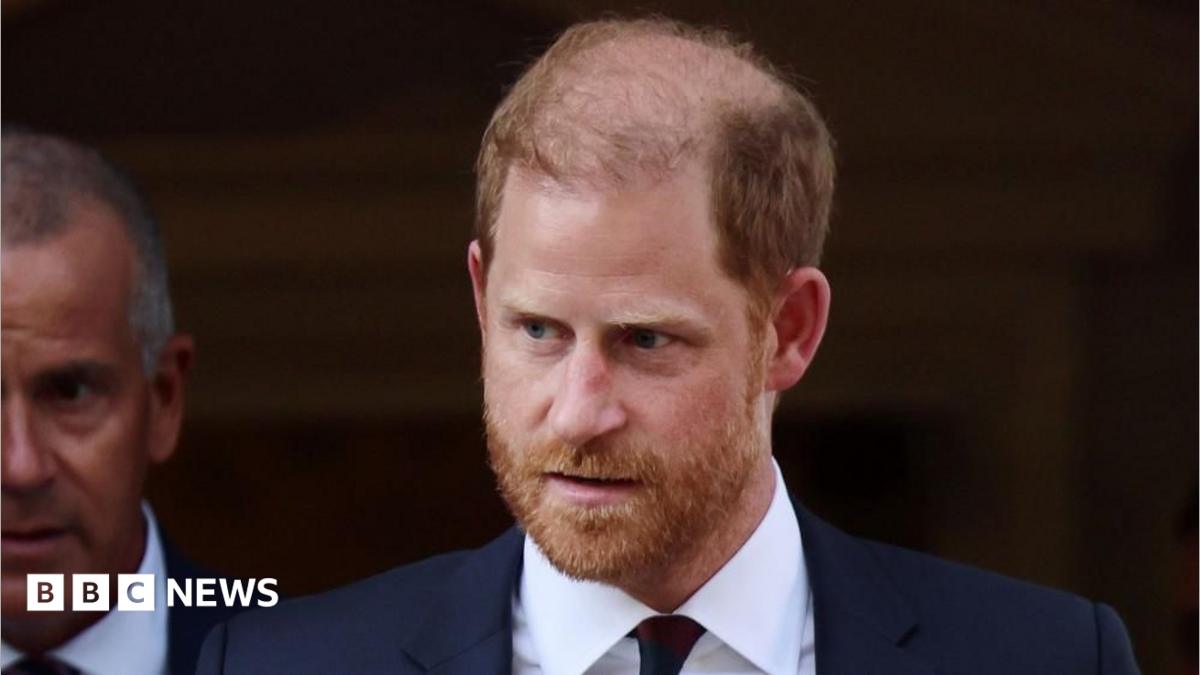
The Duke of Sussex privacy case has been dismissed by the High Court, BBC News reports. The duke and six others lost their privacy claim against the publisher of the Daily Mail and Mail on Sunday.
The ruling, handed down after this stage of hearings, means the specific claims before the court were rejected. The decision does not bar other legal avenues or potential appeals but is a clear legal setback for the claimants.
Duke of Sussex privacy case: What the High Court decided
The High Court found the claimants did not establish the legal elements needed to succeed in the privacy action brought against the publisher. In practical terms, the judge concluded that, on the evidence before the court at this hearing, the legal tests for a remedy were not met.
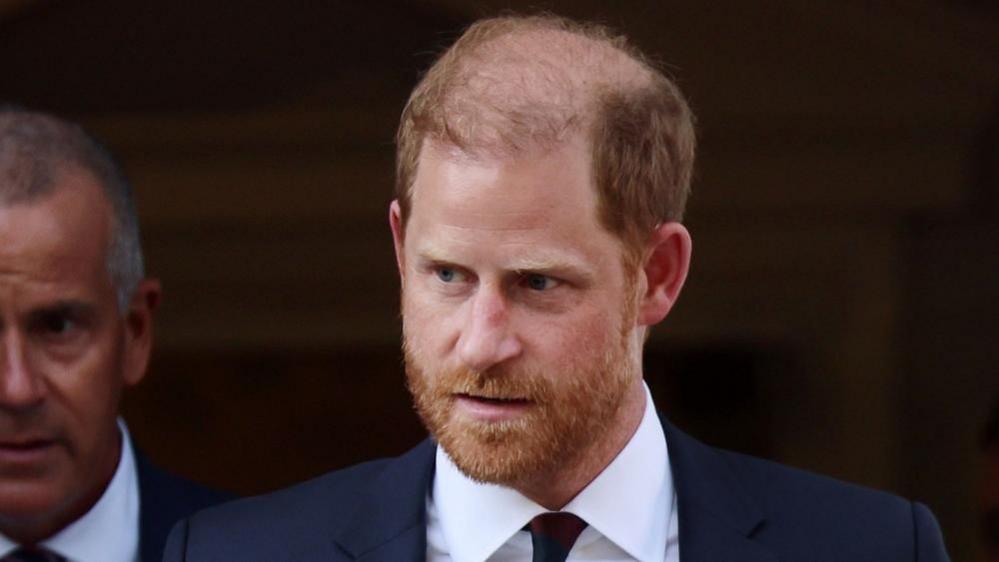
The publisher named is the company behind the Daily Mail and Mail on Sunday. The judgement therefore rejects the specific complaint as presented in this hearing and disposes of that particular claim for now.
The ruling focuses on legal principles applied to the facts the claimants relied on. It does not represent a general finding that the publisher’s wider conduct was lawful in every respect, nor does it resolve any separate or related legal issues that might exist between the parties.
Background: how the case started
The action was brought by the Duke of Sussex along with six other claimants against the publisher of the Daily Mail and Mail on Sunday. The group sought legal remedies over the publication and handling of material they said engaged their privacy rights.
Those bringing the claim argued that the way material was published or handled amounted to an actionable invasion of privacy. The publisher denied liability and defended its reporting on grounds available in law, including arguments about public interest and the scope of lawful journalism.
The dispute progressed through pre-trial procedures and hearings before reaching the issue decided by the High Court. Reporting of the hearing and the judgement has been based on court records and coverage by BBC News.
Publisher context and likely response
The publisher involved — the company behind the Daily Mail and Mail on Sunday — has in similar cases historically defended its editorial decisions and emphasised press freedoms and public-interest considerations.
A ruling in the publisher’s favour at this stage removes an immediate legal barrier relating to these specific claims. Publishers that succeed in court on such points may nonetheless face reputational scrutiny or regulatory attention from press regulators depending on the facts and subsequent developments.
Why it matters and next steps
The ruling matters because it illustrates how the High Court applied privacy law to this set of facts and what standards claimants must meet to obtain relief. It provides a reference point for future disputes about where the law draws the line between privacy and press freedom.
For the claimants, the immediate options are limited to procedural remedies available after a judgment. They may seek permission to appeal to a higher court if their legal team identifies arguable errors of law or fact in the judgement. An appeal would focus on whether the law was applied correctly and whether the court properly assessed the evidence.
For the publisher, a favourable ruling reduces the likelihood of liability on the grounds tested in this hearing but does not end public scrutiny or other possible legal claims on different bases. The broader public-interest debate over privacy and press reporting is likely to continue in public forums and in other legal cases.
Observers of media law will watch any appeal decisions closely because appellate rulings can refine or change how privacy protections are balanced against press freedoms across future cases.
Source attribution
Source: BBC News – Top Stories