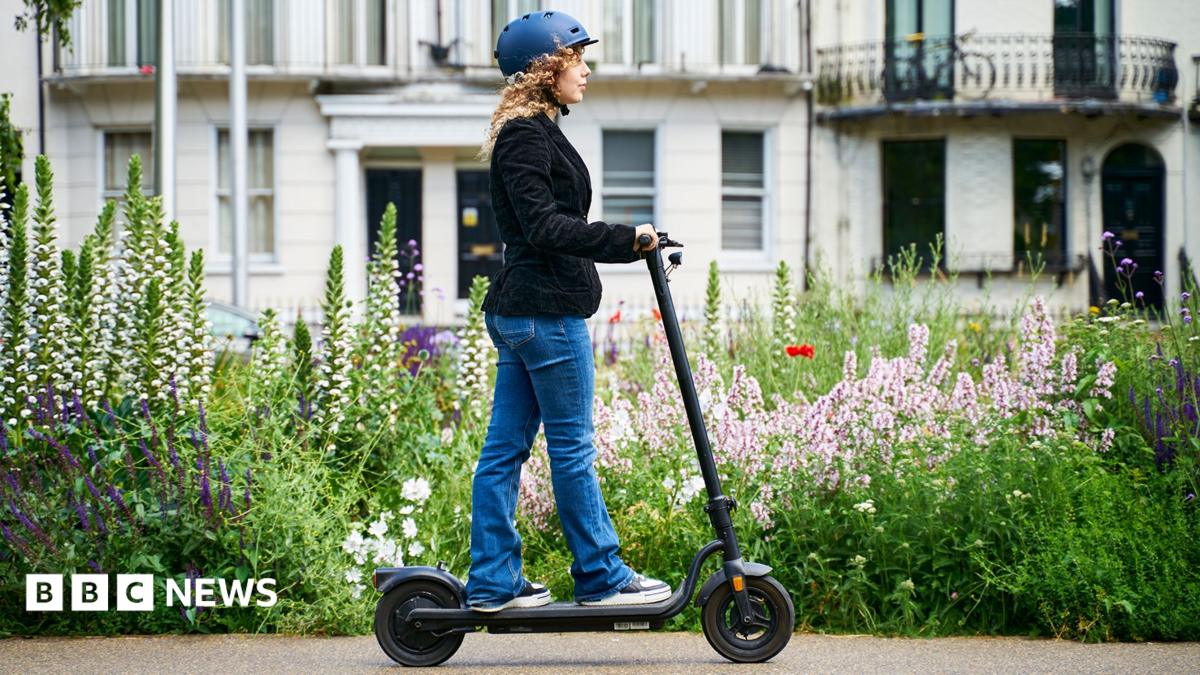
A Press Association investigation, as reported by BBC News, found that some major retailers are advertising e-scooters for “commuting” and “urban riding” even though private e-scooter use on public roads remains restricted in the UK. Readers considering buying an e-scooter should treat those adverts as claims reported by the Press Association and seek official confirmation of legal status and safety standards before purchase.
This consumer-advice article explains what the Press Association reported and what it means for you: the legal context, clear takeaways from the investigation, practical steps before you buy, and where to look for reliable updates. The piece aims to help readers avoid buying a product that cannot be used in the way adverts suggest.
What e-scooters means for readers
The Press Association investigation identified adverts that market e-scooters as suitable for commuting and urban riding. The BBC reported on that investigation, attributing the findings to the Press Association. These are reported claims about how retailers are pitching products; they do not by themselves change the legal status of e-scooters in the UK.
Under current official guidance, privately owned e-scooters are generally not legal to ride on public roads, pavements or cycle lanes except where specific local trials permit rental schemes. The Press Association’s reporting highlights a possible disconnect between retailer marketing and that legal position. For definitive legal rules, consult official sources such as the Department for Transport or your local council (see links at the end of this article).
Beyond legal permission, the adverts raise practical concerns for shoppers. If a seller promotes a device as suitable for daily commuting, buyers should check real-world performance (range, speed, durability), safety features (braking, lights, build quality) and how warranty and returns policies apply if the product cannot legally be used as advertised.
Key takeaways
- The reporting: a Press Association investigation, carried by BBC News, found adverts from major retailers promoting e-scooters for commuting and urban riding.
- Legal caution: official guidance continues to restrict private e-scooter use on public roads in the UK except where local rental trials apply — adverts do not overrule the law.
- Advertising vs legality: marketing language can create the impression that public-road use is permitted; treat such claims as allegations until confirmed by regulators or clear legal guidance.
- Consumer due diligence: verify technical specs, safety standards, warranty and refund terms and ask retailers to explain the legal basis for any public-use claims in writing.
What to do or watch next
If you’re thinking of buying an e-scooter, follow these practical steps to reduce risk and avoid being misled by marketing:
- Check official guidance first. Government pages (Department for Transport) and your local council publish the current rules and any authorised trial areas. The Press Association and BBC reporting are useful for context, but official sources set the law.
- Ask the retailer for written clarification. If an advert says a model is “suitable for commuting,” request the exact basis for that claim: which roads or lanes are referenced, whether the model meets recognised technical standards, and whether the seller will accept a return or refund if you cannot legally use the device as advertised.
- Scrutinise specifications and real-world performance. Look beyond marketing copy: check battery range under typical conditions, reliable top speed limits, braking performance, ingress protection (water resistance) and whether replacement parts and service are readily available.
- Confirm safety and insurance implications. Even where use is permitted, insurance requirements vary; riders should consider third-party cover and always use appropriate protective equipment such as helmets and lights for low-visibility conditions.
- Document claims. Keep screenshots of advertisements and any written replies from retailers. These records can help if you later need to query a purchase under consumer-protection rules.
Practical questions to ask a retailer
- Can you provide written evidence that this model is legal to use on public roads or cycle lanes where I live?
- Does the advertised range and speed reflect real-world commuting conditions or lab estimates?
- What is your returns and refund policy if the product cannot legally be used as advertised?
- Which safety standards does this product meet, and what does the warranty cover for battery and motor faults?
Frequently asked questions
What happened with e-scooters?
A Press Association investigation reported that some major retailers were advertising e-scooters as suitable for commuting and urban riding. BBC News carried the report; readers should treat the adverts as reported claims and consult official guidance for the full legal position.
Why does e-scooters matter?
How e-scooters are marketed matters because advertising can shape buying choices and public assumptions about legality. If adverts suggest public-road use where that is not permitted, purchasers may find they cannot use the devices as promoted and could face fines or have insurance issues.
What happens next?
Investigations like the Press Association’s can prompt responses from retailers, consumer bodies or regulators. Watch for retailer clarifications, consumer-rights actions or regulatory guidance updates. In the meantime, prospective buyers should verify claims, check official rules and keep written evidence of any advertising statements.
Source attribution: Reporting by the Press Association, as carried by BBC News — see BBC coverage for the Press Association investigation. For official legal guidance, consult the Department for Transport and your local council.
Links: BBC report on the investigation: https://www.bbc.co.uk/news/articles/cj3g20yxvm4o. Official transport guidance: Department for Transport information pages: https://www.gov.uk/government/organisations/department-for-transport.