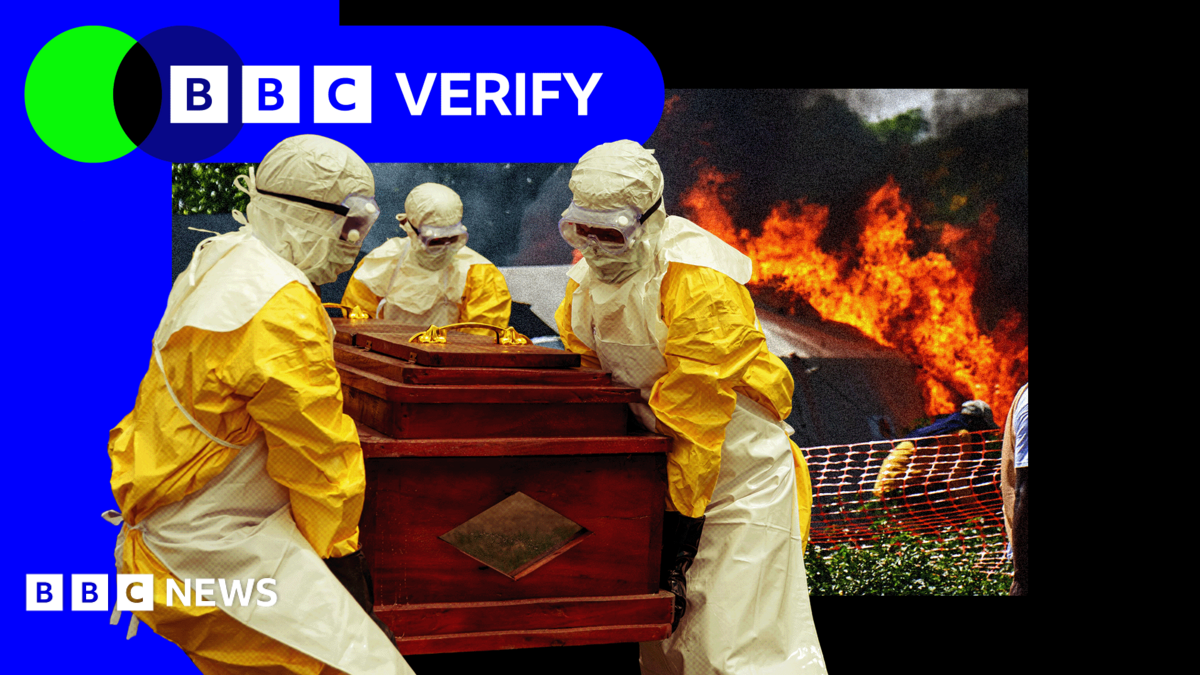
BBC reporting says Ebola misinformation has been linked to violent incidents that hinder outbreak response, including attacks on treatment centres, assaults on health workers and disrupted burials. The investigation, published on 9 July 2026, traces how false claims have circulated and the practical consequences for teams trying to control a dangerous disease. Ebola misinformation appears repeatedly in early accounts and is central to the BBC’s reported pattern of community resistance.
What BBC reported
The BBC News piece, published 2026-07-09T05:02:07.000Z, summarises multiple incidents and local reporting that suggest false claims about the disease played a role in unrest around treatment and burial practices. The article compiles local testimony and reporting that link messages disputing Ebola’s existence, questioning the safety of treatment centres or accusing responders of wrongdoing to specific attacks on facilities and disruptions to burial teams.
How Ebola misinformation spreads
Ebola misinformation spreads through many channels: word of mouth, social media posts and messaging apps, local radio or broadcasts, and informal community networks. In low-trust settings, personal testimony and rapid rumours can travel faster than official clarifications.
False claims often reuse familiar themes — distrust of outsiders, fear of medical procedures, or narratives that the outbreak is fabricated for political or financial reasons. Such claims are adaptive: they are reframed to match local grievances, amplified by influential community figures or by repeated sharing online. When official messaging is delayed, inconsistent or not tailored to local languages and customs, these narratives gain traction.
Impact on response and health workers
When communities accept false claims, consequences are tangible. The BBC report links these beliefs to attacks on treatment facilities, threats and assaults on health workers, and obstruction of burial teams — all of which reduce the capacity to diagnose, isolate and treat patients.
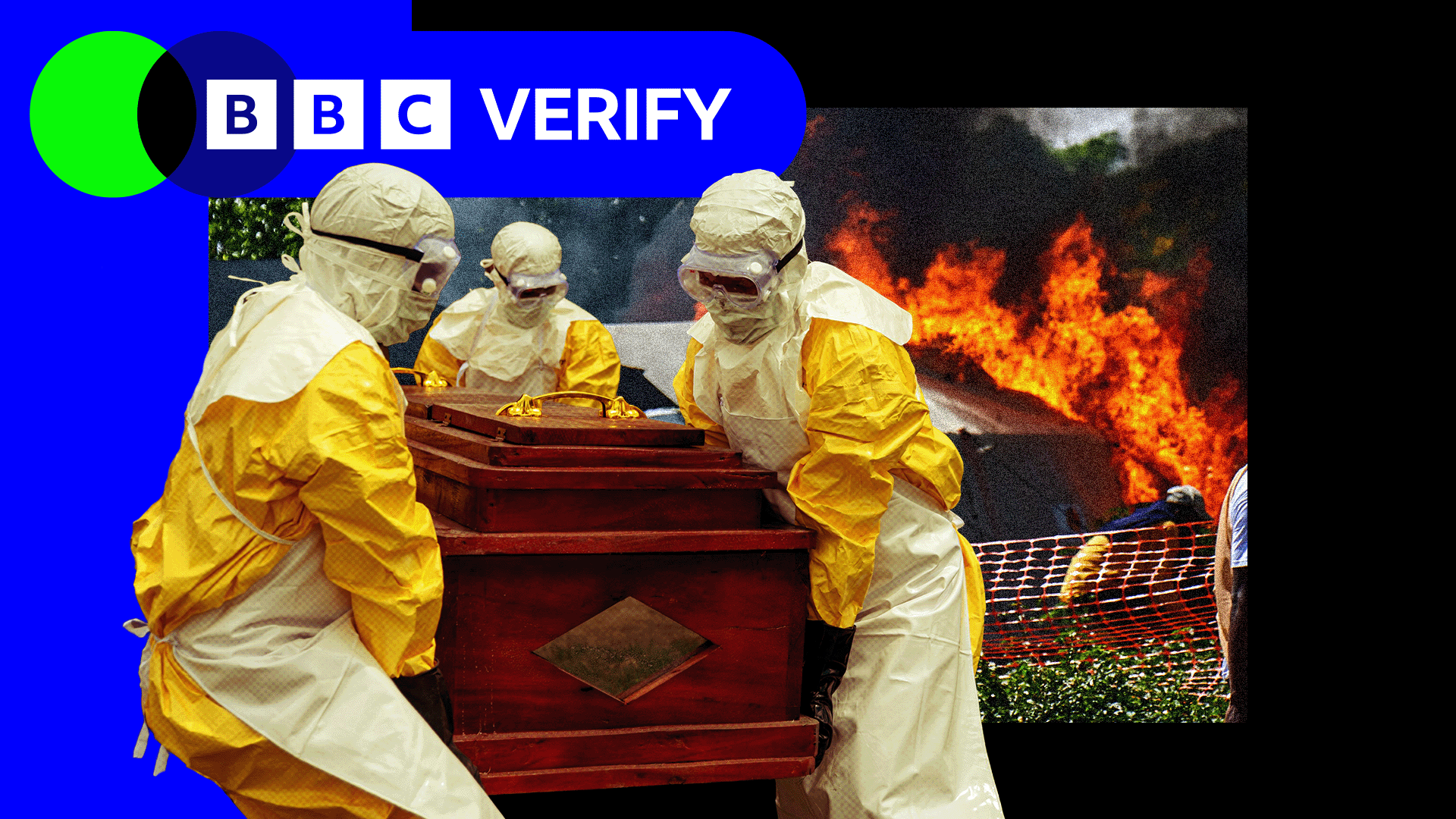
Disruptions to safe burials are particularly consequential because burial practices can be a key transmission route. The BBC describes instances where burial teams were prevented from following protocols, increasing both immediate infection risk and long-term distrust. Attacks and threats can force responders to scale back operations, relocate, or require additional security measures, which diverts resources from medical care.
Why it matters for outbreak control
Misinformation is an operational hazard, not merely a PR issue. If responders cannot safely access communities for contact tracing, testing or isolation, chains of transmission can continue unchecked. Even temporary withdrawal or reduced activity from health teams can lengthen an outbreak and increase deaths.
Threats to health workers also worsen workforce shortages. Losing experienced staff, or deterring new volunteers, undermines the sustained response needed in complex outbreaks. The BBC’s reporting highlights how these dynamics have already affected local response efforts in reported areas.
Context and limitations
The BBC article links false claims to violent incidents but does not provide exhaustive independent verification for every reported event. Its reporting draws on local accounts and journalistic investigation to identify patterns and risks; it does not replace formal incident databases or official inquiries. Readers should treat specific linkages as reported by BBC journalists and subject to further verification by authorities and investigators.
Journalistic accounts like this are valuable for highlighting trends and urgent risks, but public health planning benefits from systematic, verified incident data to establish causation and design precise interventions.
What comes next: monitoring and response steps
Authorities and partners can take practical steps to limit harm from misinformation:
- Deliver timely, localised information in local languages and formats that match community practices, explaining why treatment and safe burial matter.
- Work with trusted community leaders, religious figures and local health workers who can address specific concerns and reduce suspicion.
- Monitor broadcast and social channels for emerging false claims and respond quickly with clear, verifiable corrections tailored to affected communities.
- Prioritise responder safety and coordinate with community leaders to reduce confrontation, while avoiding coercive tactics that may inflame tensions.
- Encourage verification before sharing: ask readers to check claims with official public health sources or established fact-checkers before amplifying them.
Combined, these steps aim to protect both communities and responders. Rapid, respectful engagement and correction reduces the chance that misinformation will trigger violence or obstruct care.
Key takeaways
- BBC reporting ties Ebola misinformation to attacks on treatment facilities, assaults on health workers and disrupted burials in reported incidents.
- False claims travel through multiple channels and can exploit local grievances and distrust.
- Interference with treatment and burial practices poses direct risks to outbreak control and community safety.
- Practical responses include local engagement, monitoring, rapid correction and measures to protect responders while maintaining community trust.
FAQ
What is Ebola misinformation and why is it harmful?
Ebola misinformation means false or misleading claims about the disease, its causes, treatments or the actions of responders. It can lead people to refuse care, avoid testing, or take actions that increase transmission, and it can put health workers at risk when communities act on false beliefs.
Are the attacks reported verified by independent sources?
The BBC article compiles local accounts and reporting linking false claims to violent incidents. These are journalistic reports that highlight patterns; they are not a full independent verification of every incident. Official investigations and systematic incident recording are needed to confirm details.
How can readers report or counter false Ebola claims?
Report suspicious claims to reputable health authorities or established fact-checking organisations. Verify information with official public health sources before sharing. When correcting false claims, use clear facts and trusted local voices rather than repeating the false claim in detail.
Source attribution: BBC News. Original reporting: How Ebola misinformation is fuelling violent attacks against health workers (published 9 July 2026). The analysis above is based on that BBC reporting and on general outbreak communication principles.