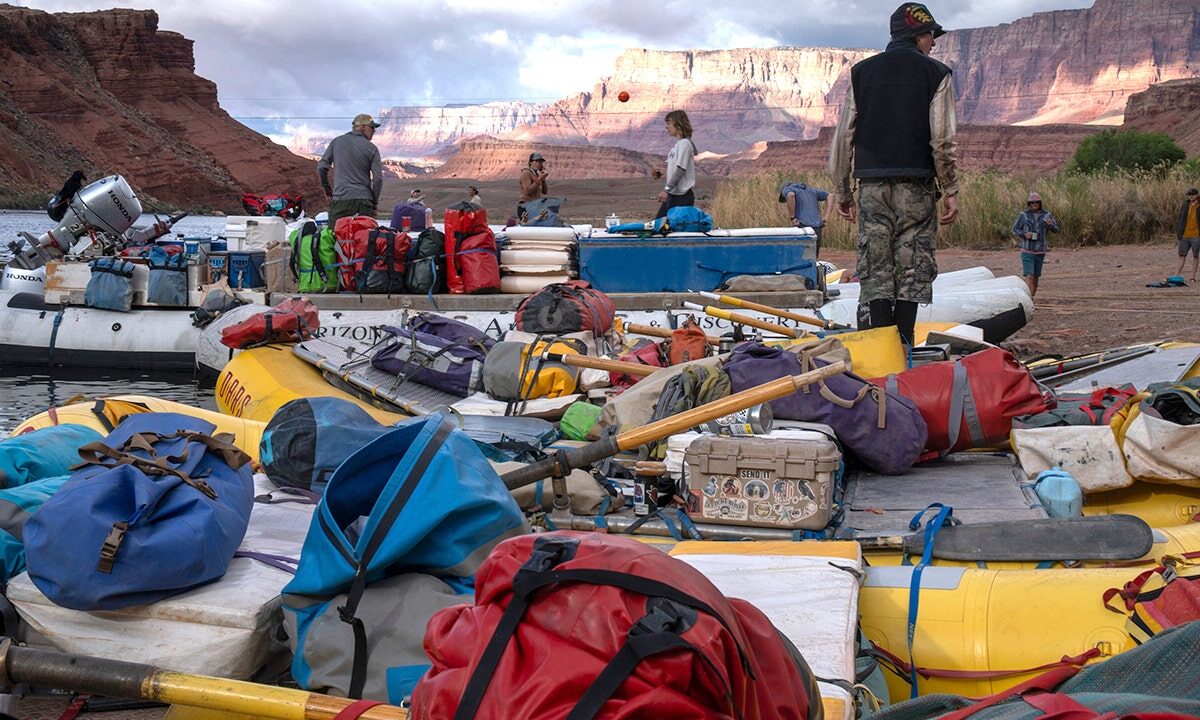
The National Park Service says it is investigating a cluster of illnesses reported by rafters after separate Grand Canyon river trips, according to reporting by Fox News. The Grand Canyon mystery illness involves accounts from people who returned from two-week trips in mid-May and mid-June and later reported severe, sometimes alarming symptoms; those accounts come from social-media posts and have not been confirmed by medical records or public-health authorities.
Public posts in a Paddling Magazine Facebook group and private-boater forums prompted the NPS response and drew attention from journalists and participants. The details below summarize what has been publicly reported and note which items remain unverified.
What we know now
Based on public reporting and social-media posts: the National Park Service is investigating reports that multiple rafters who completed separate two-week Grand Canyon trips—one trip that began in mid-May and another in mid-June—fell ill after returning home.
Confirmed or directly reported elements from public posts and media reporting include:
- Several participants on separate trips reported new, serious symptoms after their river trips.
- The trips in question were described by posters as lasting about two weeks, with departures in mid-May and mid-June.
- Reporting by Fox News Digital says park officials are now conducting an inquiry; the NPS has told reporters it is investigating these reports.
Grand Canyon mystery illness: reported symptoms
Accounts posted to social media described a range of complaints after the trips. Reported symptoms in posts include fever, chills, profound fatigue, strong joint pain, and respiratory problems that some posters described as pneumonia. Some posts alleged more serious findings such as fluid in the lungs and at least one brief loss of consciousness. These specific medical assertions are user reports and have not been validated by medical records or public-health agencies.
Users identified in public posts by the names Steven King and Matthew Wappett described their experiences in the Paddling Magazine Facebook group; those posts are the source of several symptom descriptions cited in reporting. For example, a user identified as Matthew Wappett said he sought emergency care for a swollen knee and intense joint pain after a mid-May trip. These posts remain social-media reports and have not been independently verified.
Some posts also referenced skin and wound complaints, including a bruised shin with a cellulitis-like appearance. One post said an individual had begun receiving rabies vaccine doses “in an abundance of caution”; that account is a user report and not confirmation of rabies exposure or a public-health directive.
Multiple participants reported seeing mosquitoes while camping along the river. Those observations are self-reported and unverified by on-site entomologic surveys or public-health testing at this time.
Possible causes and expert view
Speculation about causes has circulated online. An infectious-disease specialist quoted in social posts suggested the symptom pattern and reported mosquito exposure could be consistent with mosquito-borne viruses such as dengue or chikungunya. That commentary was made on social media and should be considered speculative; it is not a laboratory-confirmed diagnosis.
Dengue and chikungunya are relatively uncommon in the continental United States, though mosquito species that can transmit those viruses are present in parts of Arizona. Public-health identification of such viruses requires laboratory testing; no public laboratory confirmation tying these cases to a specific pathogen has been released.
At the time of publication, the Arizona Department of Health Services had not issued a public statement confirming or detailing specific cases tied to the social-media reports cited in news coverage.
Health advice and what comes next
If you were on a recent Grand Canyon river trip and are experiencing fever, severe joint pain, difficulty breathing, confusion, or any other new serious symptom, seek medical care promptly and tell clinicians about your recent river travel and any mosquito exposures. Accurate travel and exposure histories help clinicians consider appropriate diagnostic tests.
Clinicians may consider a range of tests based on symptoms and exam findings. Patient management decisions (including use of vaccines or other interventions) should be made by treating physicians based on clinical judgment and available test results. Public posts noting rabies vaccination are user-reported and not confirmation that rabies exposure occurred.
What comes next: the NPS investigation may include interviewing trip leaders and participants, reviewing trip logs and medical reports shared by those affected, and coordinating with state public-health authorities if an infectious cause is suspected. If agencies suspect mosquito-borne illness, they would likely evaluate mosquito exposure data and consider targeted laboratory testing. These steps are standard investigative options; specific actions the NPS or ADHS will take depend on findings and any confirmed diagnoses.
Common reader questions
What are the reported symptoms and when did they occur?
Public posts and subsequent reporting describe fever, chills, fatigue, respiratory complaints, joint pain and other symptoms developing after two-week Grand Canyon river trips that began in mid-May and mid-June. These are reports by participants and have not been independently validated by public-health agencies.
Could mosquitoes spread dengue or chikungunya in the canyon?
Arizona has mosquito species that can transmit dengue or chikungunya elsewhere, and an expert quoted in social posts said the pattern could be consistent with those viruses. Laboratory confirmation would be required to establish cause; that confirmation has not been published.
What should people who were on recent Grand Canyon trips do now?
Seek prompt medical care for concerning symptoms, inform clinicians about recent river travel and mosquito exposure, and follow guidance from public-health authorities if they issue testing or monitoring recommendations.
Source attribution and verification notes: This article is based on public posts in a Paddling Magazine Facebook group, reporting by Fox News Digital, and public statements that the National Park Service is investigating the reports as described in that reporting. Social-media posts and user-reported medical details are unverified and have not been confirmed by the NPS or Arizona Department of Health Services. The NPS has told reporters it is investigating; ADHS had not issued a public confirmation tied to the specific social-media cases cited in news reports at the time of publication.
For official updates and guidance, see the National Park Service: nps.gov and the Arizona Department of Health Services: azdhs.gov. Original reporting that prompted this follow-up: Fox News — Grand Canyon mystery illness reportedly triggers NPS investigation.