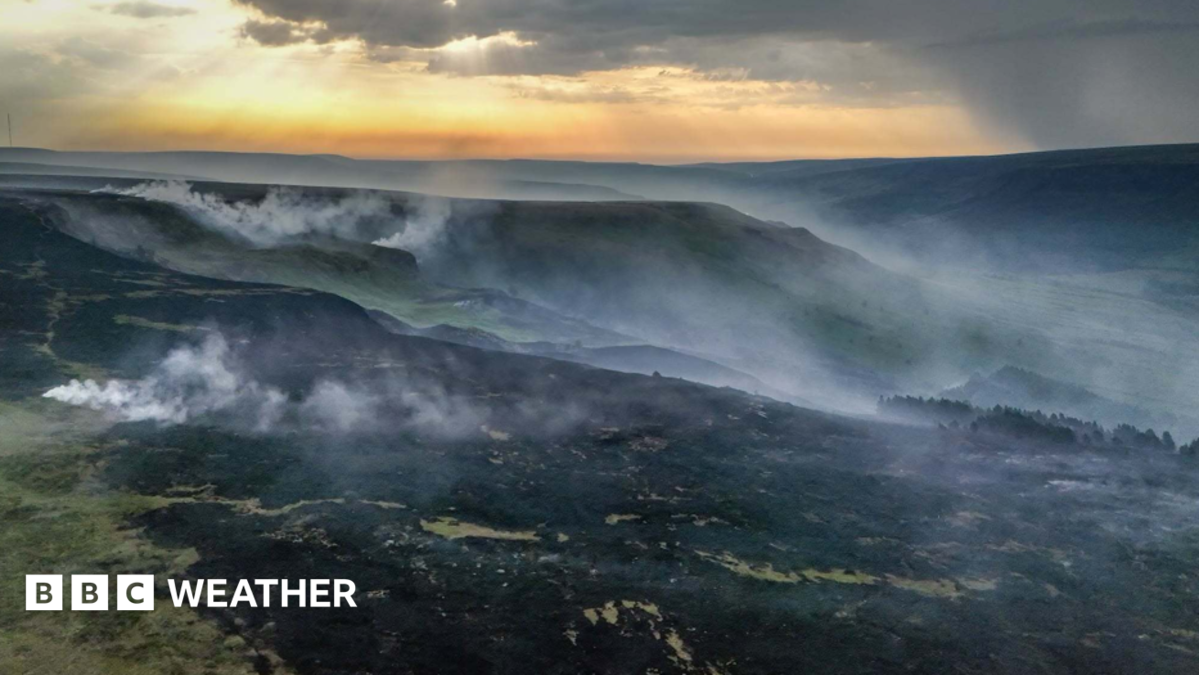
The UK faces an “exceptional” wildfire risk as heat health alerts remain in place and parts of the country enter a second week of temperatures above the heatwave threshold. The wildfire risk is linked to prolonged hot, dry conditions that increase the chance of fires spreading in grass, scrub and woodland.
Because forecasts and local conditions vary, people in vulnerable locations should act now to reduce risk and follow any local guidance that applies to their area.
What the warnings say
BBC News – Top Stories reports heat health alerts are in force and that officials describe the wildfire risk as “exceptional” for parts of the UK. The report links the warnings to sustained temperatures above the heatwave threshold for a second consecutive week.
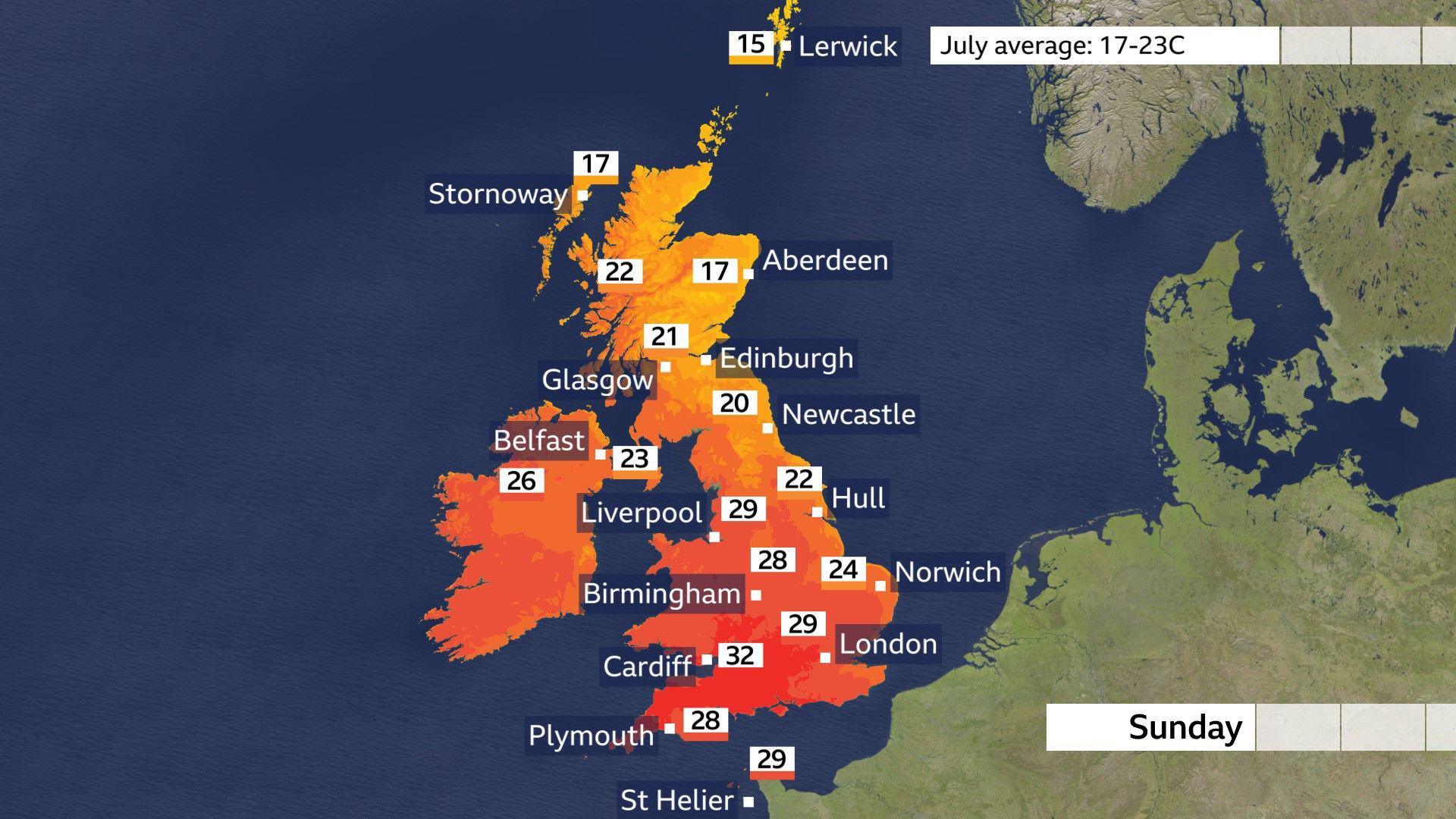
The BBC article emphasises the combination of hot weather and dry vegetation that raises the chance of grass and woodland fires. The piece does not attribute the word “exceptional” to a named issuing agency within the text.
Where and when this matters
At present the reporting says the risk applies to parts of the UK but does not list specific counties or regions. Local conditions will differ: some places may already have very dry soils and vegetation, others may only see brief spells of hot weather.
The elevated risk is described as continuing through a second week of temperatures above the heatwave threshold, so it is not limited to a single day. Residents and visitors in rural and peri-urban areas should monitor local forecasts and advisories over the coming days.
Wildfire risk and public safety steps
With wildfire risk elevated, take straightforward precautions now. Avoid barbecues, disposable grills and campfires in dry open countryside, on heaths or in long grass. If you must use a barbecue in a private, safe area, keep it on a hard, non-flammable surface and have water or a fire extinguisher to hand.
Do not discard lit cigarettes or anything that could spark along verges or in grass. Keep vehicles off long grass where hot exhausts can ignite dry vegetation. Store flammable materials safely away from heat and sun.
If you see smoke or fire, call the emergency services immediately and follow instructions from local authorities and fire services. Cooperate with local evacuation notices or road closures if they are issued.
Heat health alerts also affect vulnerable people. Stay hydrated, avoid strenuous activity during the hottest part of the day, keep living spaces cool where possible, and check on older or isolated neighbours. Follow any local NHS, council or social-care guidance if it is published for your area.
What to watch next
Expect meteorological services and local agencies to refine forecasts and risk assessments over the next several days. Weather models will update temperature and rainfall outlooks; those changes determine whether the wildfire risk is downgraded or remains high.
Agencies may publish more detailed local warnings, maps of higher-risk zones, or targeted safety guidance if conditions worsen. Local fire and rescue services often increase patrols and monitoring in hotspots during prolonged dry spells.
Where available, check trusted local sources and national meteorological services for updated heat and fire risk information. Official updates will be the best place to find specific guidance for your area.
Source and limitations
This update is based on a BBC News – Top Stories report published 2026-07-12. The original article states that heat health alerts are in force and that parts of the UK face an “exceptional” wildfire risk as temperatures remain above the heatwave threshold for a second week.
The BBC piece does not name which agency issued the warnings and does not list specific affected areas. It also does not report confirmed large fires or provide detailed mitigation actions beyond general advice. Readers should treat the report as an alert to heightened conditions and seek local official guidance for precise instructions.
Frequently asked questions
Which areas are affected by the wildfire risk?
The BBC report says “parts of the UK” but does not specify locations. Local weather warnings, council notices and fire service updates are the best sources for area-specific information as forecasts are refined.
What immediate steps should people take during a heat health alert?
Follow local guidance, stay hydrated, avoid strenuous outdoor activity during the hottest hours, and reduce fire risk by not lighting barbecues or fires in dry open areas. Check on vulnerable neighbours and follow NHS or council advice if it is issued locally.
How long will the heatwave and wildfire risk last?
The report links the risk to a second week of temperatures above the heatwave threshold, indicating elevated risk may continue for several days. Official forecasts and advisories will provide updates on duration and intensity.
Source: BBC News – Top Stories — ‘Exceptional’ wildfire risk for parts of UK as heat health alerts issued, published 2026-07-12. https://www.bbc.co.uk/weather/articles/ce8mrn49gndo?at_medium=RSS&at_campaign=rss