The government has announced an extra £250m intended to boost Jewish community safety, with the money to be routed through police forces to increase protection, BBC News reports. Officials framed the cash as a response to heightened concern about threats to Jewish people and institutions, but many practical details have not yet been published.
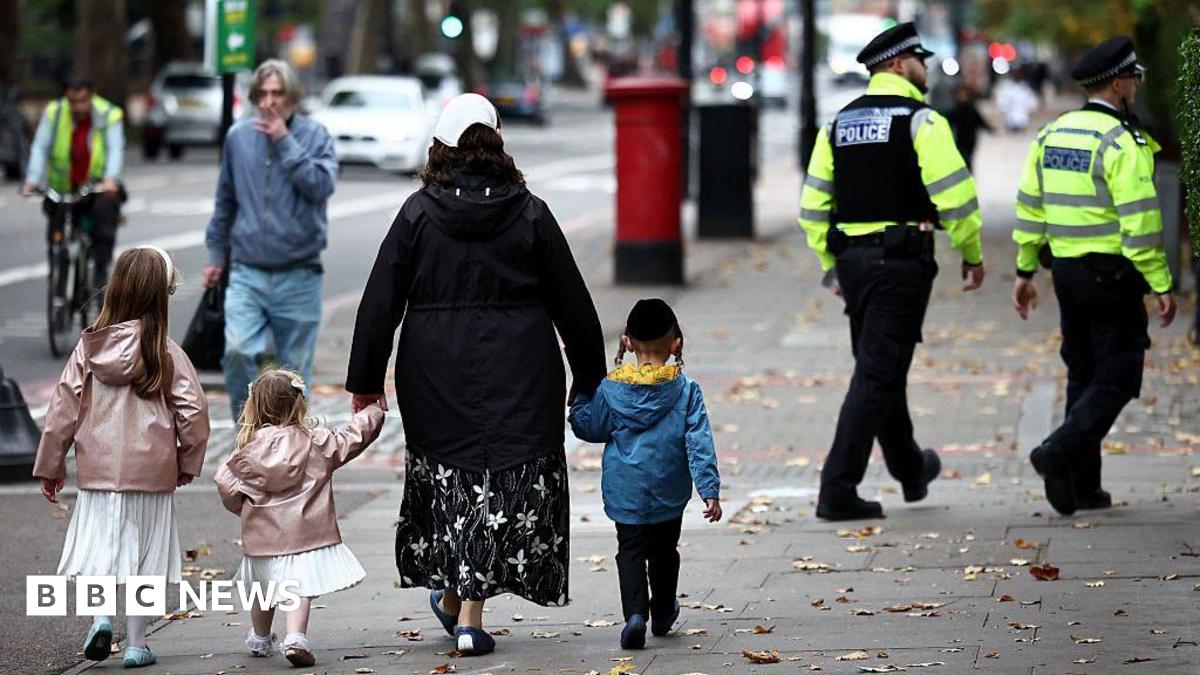
A BBC image accompanying the report shows police on patrol in a community area, illustrating the kinds of visible measures the money is expected to support.
Extra £250m for Jewish community safety
BBC News has reported that ministers have confirmed an additional £250m earmarked for measures to protect Jewish communities. The funding is being channelled via police forces rather than as direct national grants to community organisations.
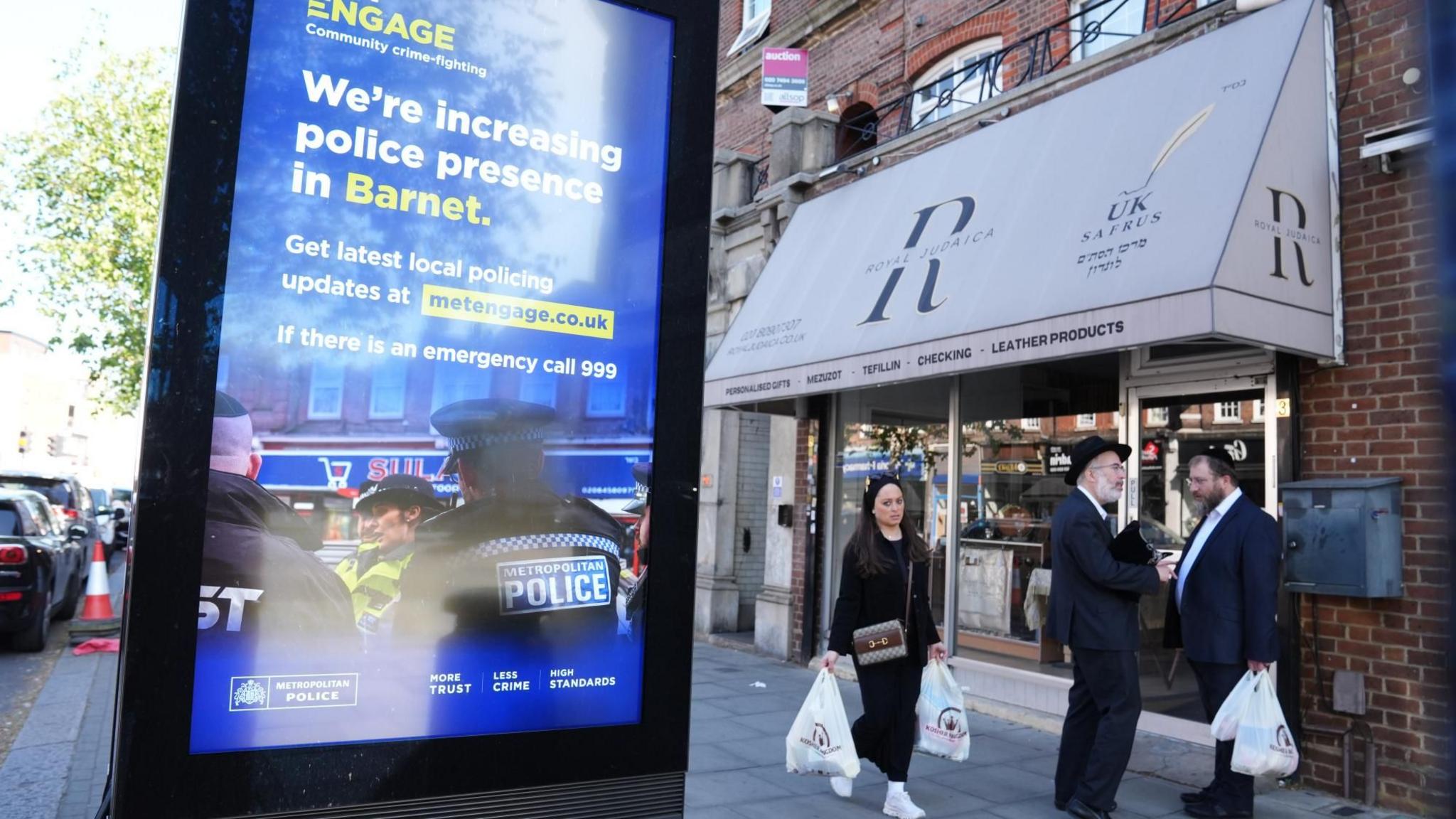
Officials say the money is intended to bolster protection for synagogues, schools and community centres, and to respond quickly to elevated threat levels. The announcement signals priority resourcing for groups facing immediate risk, but it did not include a full breakdown of recipients or a publication timetable for allocations.
How the police funding may be used
Where targeted funding has been made available previously, police forces have typically used it for a mix of operational and protective measures. Likely uses for this extra funding include boosting visible patrols around community hubs, underwriting short-term private security contracts at vulnerable sites, and deploying specialist protective units where required.
Money routed through forces can also cover training, equipment and intelligence work. For example, funds might pay for rapid-response arrangements, improvements to perimeter security at communal buildings, or additional community liaison officers to improve two-way information sharing.
At the same time, the BBC report does not specify how much of the £250m is capital (for equipment or infrastructure) versus revenue (for staffing and contracts). It also does not state whether the money comes with spending conditions or reporting requirements. Those omissions mean deployment could vary between forces and be influenced by local threat assessments and existing budgets.
Impact for communities and local policing
For Jewish communities the most immediate effects are likely to be greater visible protection and a stronger security presence at worship sites, schools and communal events. That can raise community confidence and act as a deterrent to would-be attackers.
Concrete examples of what communities might see include more uniformed patrols during peak times, temporarily funded security officers at high-risk venues, and targeted checks around communal gatherings. In some places, forces may use funds to accelerate installation of CCTV or to strengthen building access at priority sites.
Local policing benefits may include better-resourced specialist teams and faster response capabilities where threats are elevated. Improved community policing and liaison can help tailor protective measures to local needs and reduce fear through clearer communication.
However, the scale and nature of effects will differ by area. Some forces will be able to deploy additional officers quickly; others may need to reassign existing staff, seek contractors, or phase work as formal plans and procurement processes are completed. That means protection could be rolled out unevenly in the short term.
What comes next and outstanding questions
There are several important unanswered questions from the initial report. The BBC did not list which police forces will receive money, how the £250m will be split, or the timetable for distribution. It also did not set out what oversight, reporting or conditions will be attached to the funding.
Key items to watch for in follow-up announcements are: which police forces will benefit, the allocation formula or criteria, a clear distribution timetable, and what auditing or transparency measures will be required. Public scrutiny will also look for assurances that short-term protective steps will be accompanied by sustainable, longer-term plans where needed.
On oversight, the BBC coverage did not specify mechanisms. In practice, oversight could involve central government departments, national policing bodies and local police and crime commissioners, but formal arrangements have not been confirmed. Reporters and local leaders will need to press for published guidance showing reporting lines and accountability for spending.
Officials and community representatives should be expected to clarify short-term delivery plans and to set out how progress and outcomes will be monitored. Without those details, it will be harder to judge whether the funds have reached the places and measures that most effectively improve safety.
FAQ
Who will receive the extra £250m?
The BBC report says the money will be provided via police forces, but it does not name which forces or how the allocation will be divided. Further announcements from government or policing bodies are expected to clarify distribution.
When will the funds be distributed?
No detailed timetable was included in the initial report. Some funding may be made available quickly to address immediate security needs, with further tranches tied to reporting or planning requirements; official guidance will be needed to confirm timing.
How will the money be used to protect Jewish communities?
The funds are intended to increase protection, likely through measures such as boosted patrols, temporary private security at sites, specialist policing operations, improved liaison with community leaders and targeted investment in protective infrastructure. Exact uses will depend on local threat assessments and decisions by individual forces.
Source: BBC News – Top Stories