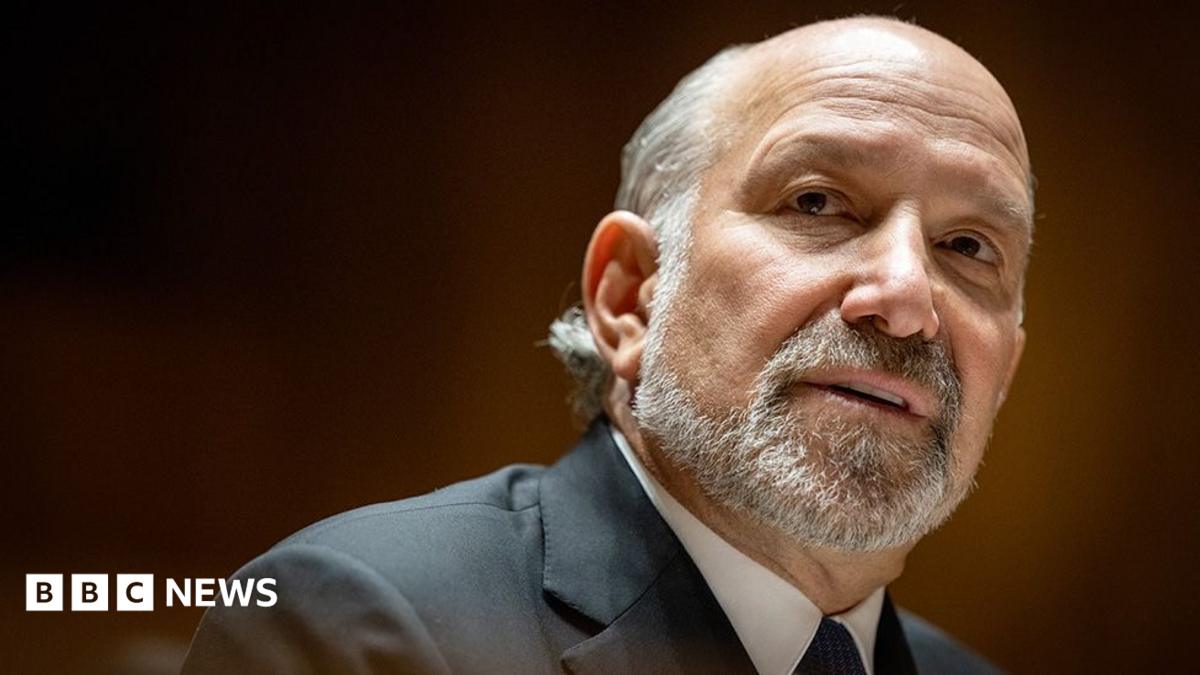
The discovery of Epstein links uncovered in publicly released documents was flagged by a British whistleblower and reported by BBC News. The whistleblower, named in BBC reporting as Simon Andriesz, identified entries in the Epstein archive that include references to Howard Lutnick. These items are being presented as potential links in archival material and should be treated as allegations pending independent verification.
This explainer describes what the files appear to show, how investigators analysed the archive, why the findings matter for public interest, and what verification steps follow. It is based on BBC News reporting and general investigative practice for handling large public document sets.
What was found: Epstein links uncovered
According to the reporting, entries within the publicly released Epstein files contain names and contact details that, when searched for known individuals, returned matches the whistleblower flagged as potentially relating to Howard Lutnick. The records include a mix of transcribed notes, contact lists and annotations; some items are straightforward name matches, while others are more cryptic contextual notes.
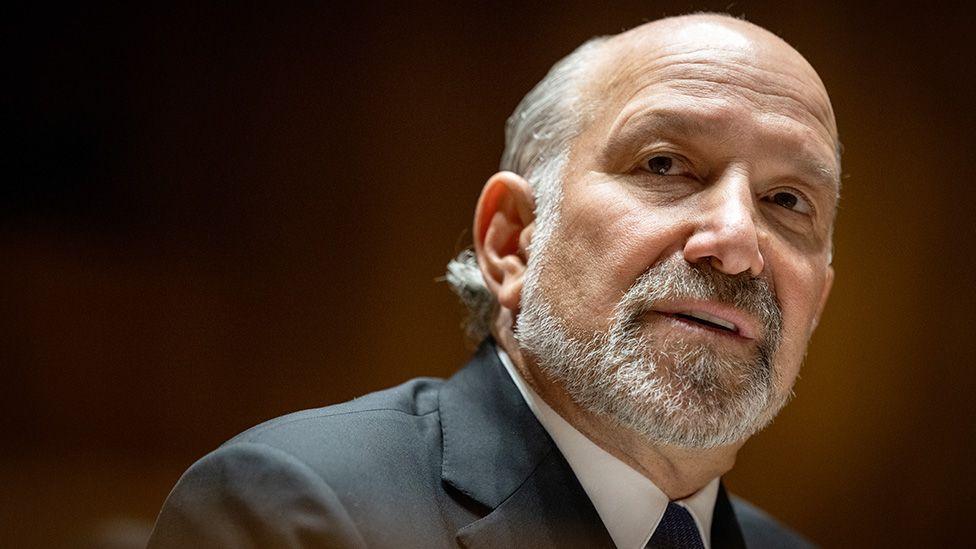
BBC News frames these as possible links identified within an archive rather than as proof of criminal conduct or formal relationships. Presence of a name in an archival file is not itself evidence of wrongdoing: names can be duplicated, mis-transcribed, redacted, or appear out of context. Independent corroboration is required before drawing firm conclusions.
How the files were analysed
The method described in reporting reflects standard approaches used by researchers and journalists when working with large document releases. First, the documents are gathered from the public archive or legal disclosures made available to media and researchers. Many documents arrive as image scans and must be converted into searchable text with optical character recognition (OCR).
Once machine-readable, investigators run systematic searches for specific names, variants and associated identifiers (for example, middle initials, known addresses or company names). Matches are then reviewed manually to judge whether the context supports a plausible connection. The BBC account says Simon Andriesz combined automated search with careful manual inspection to reduce false positives.
Investigators cross-reference hits against independent public records such as corporate filings, phone directories, historical news coverage and other archival sources. Where possible, they document the exact search terms used and preserve the original document snippets that produced the match so others can evaluate the chain of evidence. Even with careful methods, reporting standards call for caution: a name match is a lead, not a conclusion.
Why this matters
Items in a high-profile archive that appear to reference a well-known person attract attention because they can prompt questions about associations, appointments or institutional oversight. If corroborated, such links may have implications for reputations, governance or legal scrutiny depending on the nature of the evidence.
At the same time, reputable outlets emphasise that archive entries alone do not establish illegal activity. The BBC report explicitly presents the findings as flagged entries in an archive. Responsible follow-up requires confirming identity (ensuring the matched name refers to the same individual), establishing timing and context, and identifying any corroborating documents or testimony.
Background and context
Jeffrey Epstein’s documents have been the subject of sustained journalistic and legal examination since portions became publicly accessible. Researchers and media organisations have developed workflows to handle the scale and variability of those materials: OCR conversion, deduplication, entity extraction, and manual provenance checks. Whistleblowers and independent analysts frequently publish their methods and source lists to allow replication and to show how conclusions were reached.
What comes next
Verification steps typically include seeking comment from the named individual or their representatives, locating corroborating records (for example, contemporaneous correspondence, travel logs, company documents or public filings), and checking whether any official investigations or legal proceedings reference the same material. Independent reporters may also consult experts in forensics and document authentication when necessary.
For readers, the immediate indicators to watch for are subsequent reporting that provides independent corroboration, public statements from those named, or new filings that clarify the context of the archive entries. Until such corroboration appears, references in the archive should be treated as leads to investigate rather than as established facts.
Key takeaways
- Entries flagged as Epstein links uncovered were reported by BBC News after a British whistleblower, Simon Andriesz, identified potential matches in the public archive.
- Matches in archival files can indicate avenues for investigation but are not proof of wrongdoing; names may be duplicated or recorded out of context.
- Independent verification—direct comment, corroborating documents and careful provenance checks—is required before drawing conclusions.
Source and attribution
This article is based on BBC News reporting and explains standard investigative practices for working with public document releases. Original BBC reporting: How US commerce secretary’s Epstein links were uncovered by British whistleblower. The BBC piece names Simon Andriesz as the analyst who flagged entries and describes the findings as potential links in the public archive rather than proven associations.
All claims in this explainer are presented as allegations or leads emerging from archival material until independently verified. Readers should look for follow-up reporting that provides corroborating evidence or statements from those named in the files.