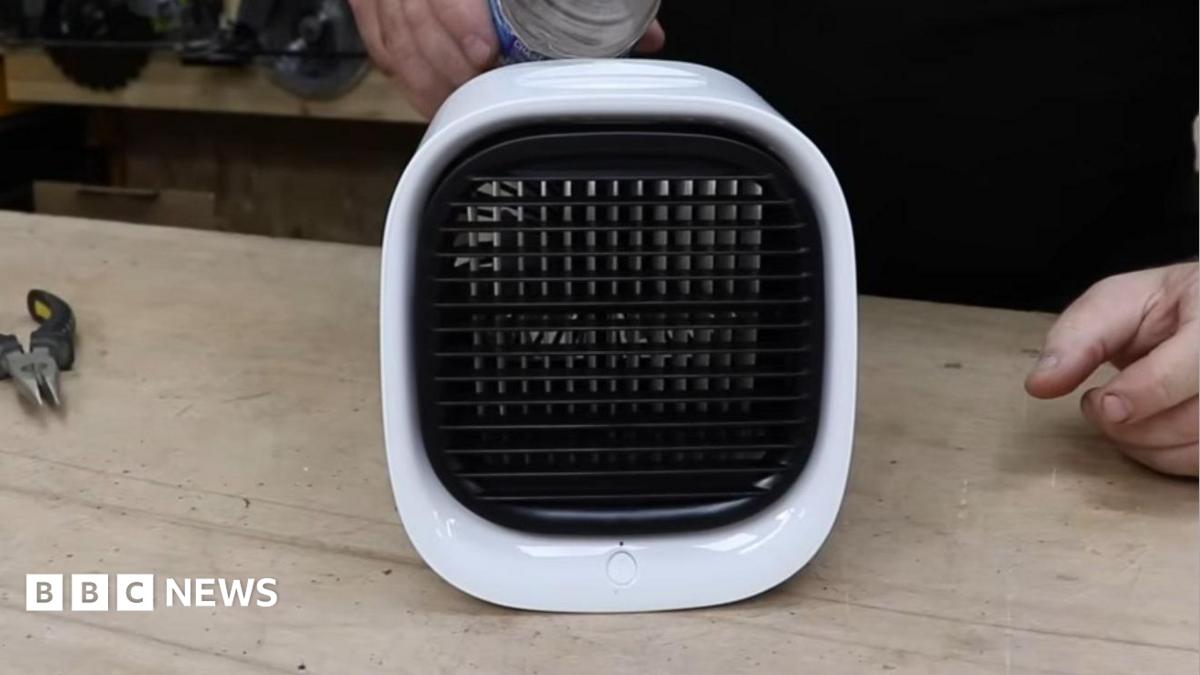
Alert: fake portable air conditioners advertised as able to “Cool in 90 seconds” have been judged misleading by the Advertising Standards Authority. The BBC reported the ASA ruling on 10 July 2026 — shoppers should be cautious and check technical details before buying.
Quick summary — fake portable air conditioners
Online adverts for compact cooling gadgets claimed near-instant whole-room cooling using taglines such as “Cool in 90 seconds.” The ASA reviewed multiple adverts and the BBC covered the regulator’s decision on 2026-07-10. The ASA found the ads overstated performance and lacked verifiable evidence.
Key takeaways
– The ASA has ruled some adverts for compact cooling devices misleading. (BBC report, 2026-07-10.)
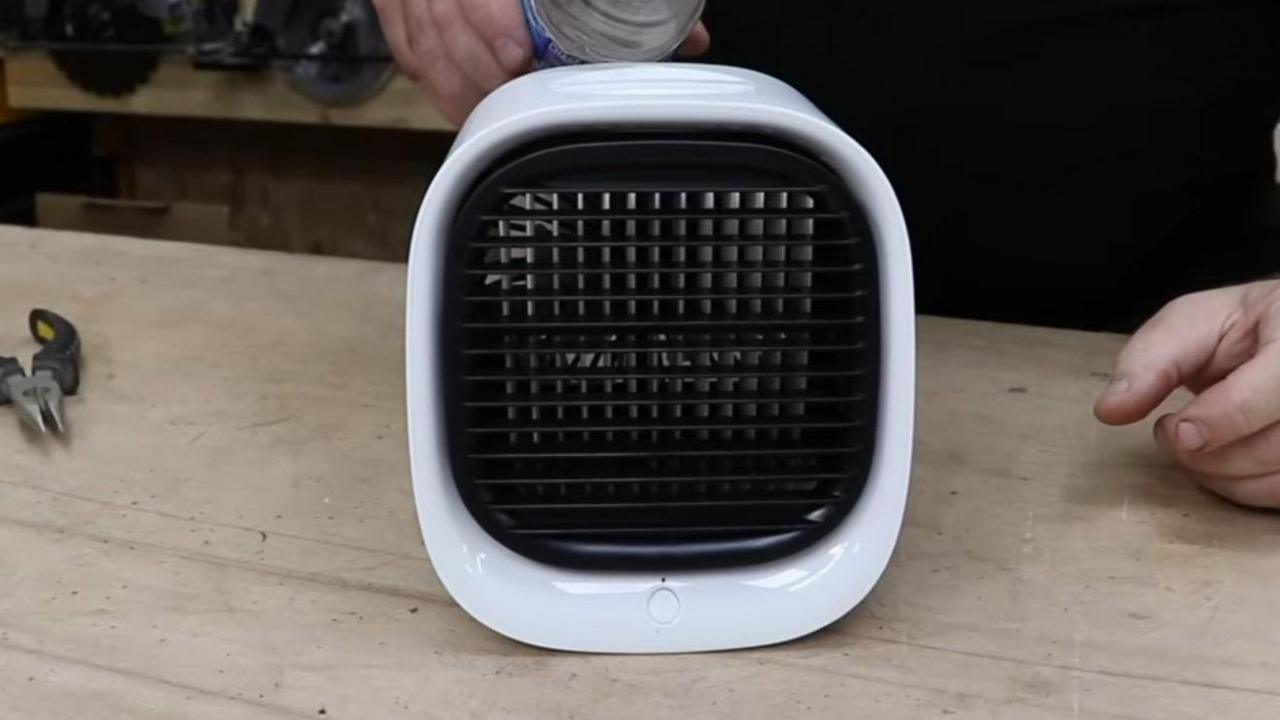
– Claims of whole-room cooling in 90 seconds are not supported by the evidence presented to the regulator.
– Check technical specifications, independent tests and seller guarantees before purchasing.
What the ASA found
The Advertising Standards Authority investigated adverts that had spread across websites and social platforms. The ASA concluded the claims gave an unrealistic impression of what the devices could deliver and that advertisers did not supply adequate, independently verifiable evidence to back up rapid-cooling claims.
Where measurements or tests were referenced, the ASA said the information lacked necessary context — such as room size, test conditions or independent verification — so the regulator found the adverts misleading. The BBC reported these findings on 10 July 2026 and linked to the ASA’s ruling.
How the adverts claim to work
Many listings promoted compact, plug-in devices with dramatic timeframes and imagery suggesting whole-room cooling in under two minutes. Common marketing elements included simplified explanations of how cooling or evaporation works and bold performance statements like “Cool in 90 seconds.”
These adverts typically omitted key technical details that determine real performance: rated cooling capacity (BTU or watts), airflow, and recommended room size. Without those figures or independent test results, it’s impossible to assess whether a device will cool more than a small personal zone.
How to spot fake portable air conditioners
Before you buy a portable cooling device, check for these warning signs that an advert may be misleading:
- Unsubstantiated rapid-cooling claims with no test data or context.
- Missing technical specifications such as cooling capacity (BTU/W), power draw and recommended room volume.
- No independent lab tests or reviews from established consumer outlets cited.
- Heavy reliance on staged photos, short testimonials or influencer clips instead of measurable evidence.
- Prices that seem unusually low for the performance being claimed.
When possible, ask sellers for test reports and look for independent reviews that measure temperature change over time and state test conditions. Compare the device’s stated capacity and recommended room size with recognised brands to judge whether claims are realistic.
What consumers should do next
If you have already bought a unit that underperforms, contact the seller first to request a refund or replacement and keep all purchase records and correspondence as evidence. If the seller refuses, you may escalate the complaint through your payment provider or consumer protection channels.
To report misleading adverts, complain to the Advertising Standards Authority (which investigates ad content) and report the listing to the platform hosting the advert. The ASA’s ruling and guidance formed the basis of the BBC’s reporting on 10 July 2026; both organisations are appropriate places to start when reporting suspect advertising.
For safer purchases in future, prioritise products with clear technical specs, independent test results and reliable after-sales support. Remember that small personal cooling devices can offer a local cooling effect but are unlikely to lower the temperature of a whole room by several degrees in under a few minutes unless their rated capacity matches the room size.
Frequently asked questions
Do small portable devices actually cool a room in 90 seconds?
No. The ASA found advertisers did not provide evidence to support whole-room cooling in 90 seconds. Small units can create a local sensation of cool air quickly, but lowering the temperature of an entire room depends on a device’s rated capacity and test conditions and typically takes longer.
How can I tell if an advert for a cooling device is misleading?
Look for complete technical specs, independent lab tests or reviews, and clear statements of recommended room size. Vague, time-based claims and missing BTU or wattage figures are common signs of misleading adverts, as highlighted by the ASA and reported by the BBC.
How do I report a misleading advert or get a refund?
Contact the seller to request a refund first and keep records. To report the advert itself, complain to the Advertising Standards Authority and to the website or social platform where the ad appeared. If necessary, raise the issue with your payment provider or local consumer protection body.
Source attribution
This article is based on reporting by BBC News and the Advertising Standards Authority. See the BBC’s report: ‘Cool in 90 seconds’ – the fake portable air conditioners sweeping the internet (BBC News, 2026-07-10). For the ASA’s guidance on advertising standards and its ruling, see the Advertising Standards Authority: asa.org.uk.