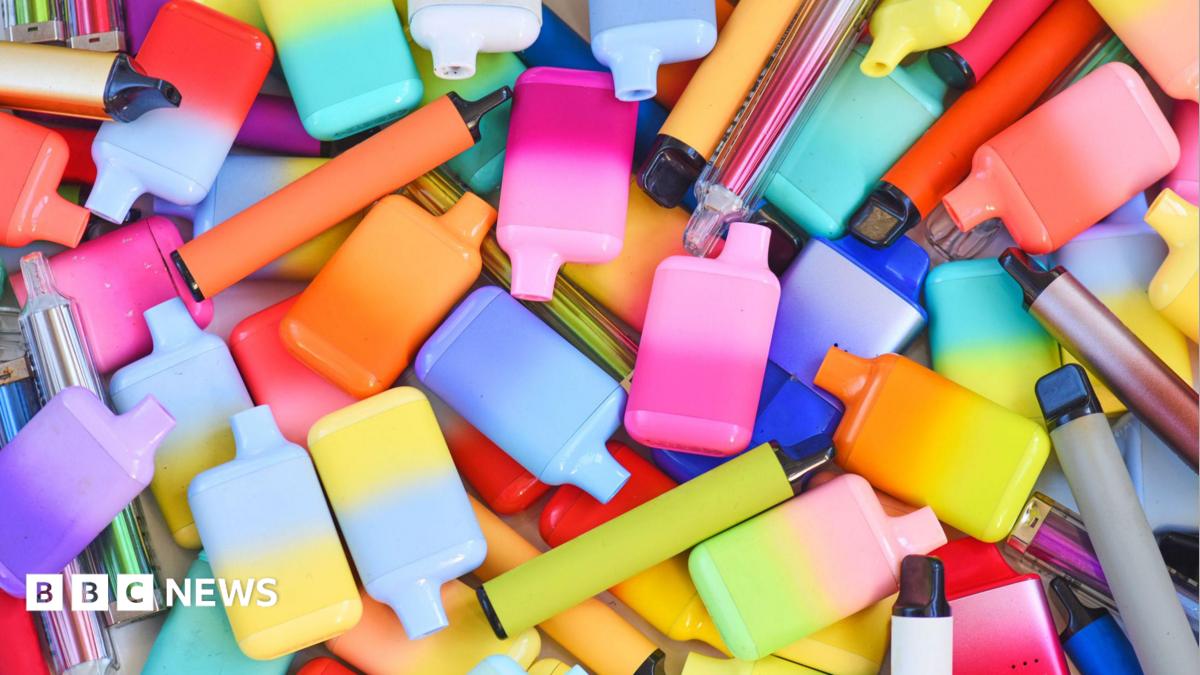
The UK government is consulting on changing vape names that officials and campaigners say can make products more appealing to children. BBC reporting makes this the focus of the consultation and notes people are being asked for views on reducing or removing enticing flavour descriptions. These are proposals under consultation and are not yet law.
BBC News – Health first reported the proposals and is the primary public source for the factual claims in this article. The consultation is open for evidence and views; it does not yet set binding rules. Readers should therefore treat the measures described here as options under consideration rather than confirmed policy.
Quick summary
People are being consulted about plans to change how vape names are presented on packaging and in marketing. The BBC reported that the consultation seeks to require less enticing vape names to help protect children. The proposals focus on naming and labelling rather than an immediate ban on particular flavourings.
What the proposals change for vape names
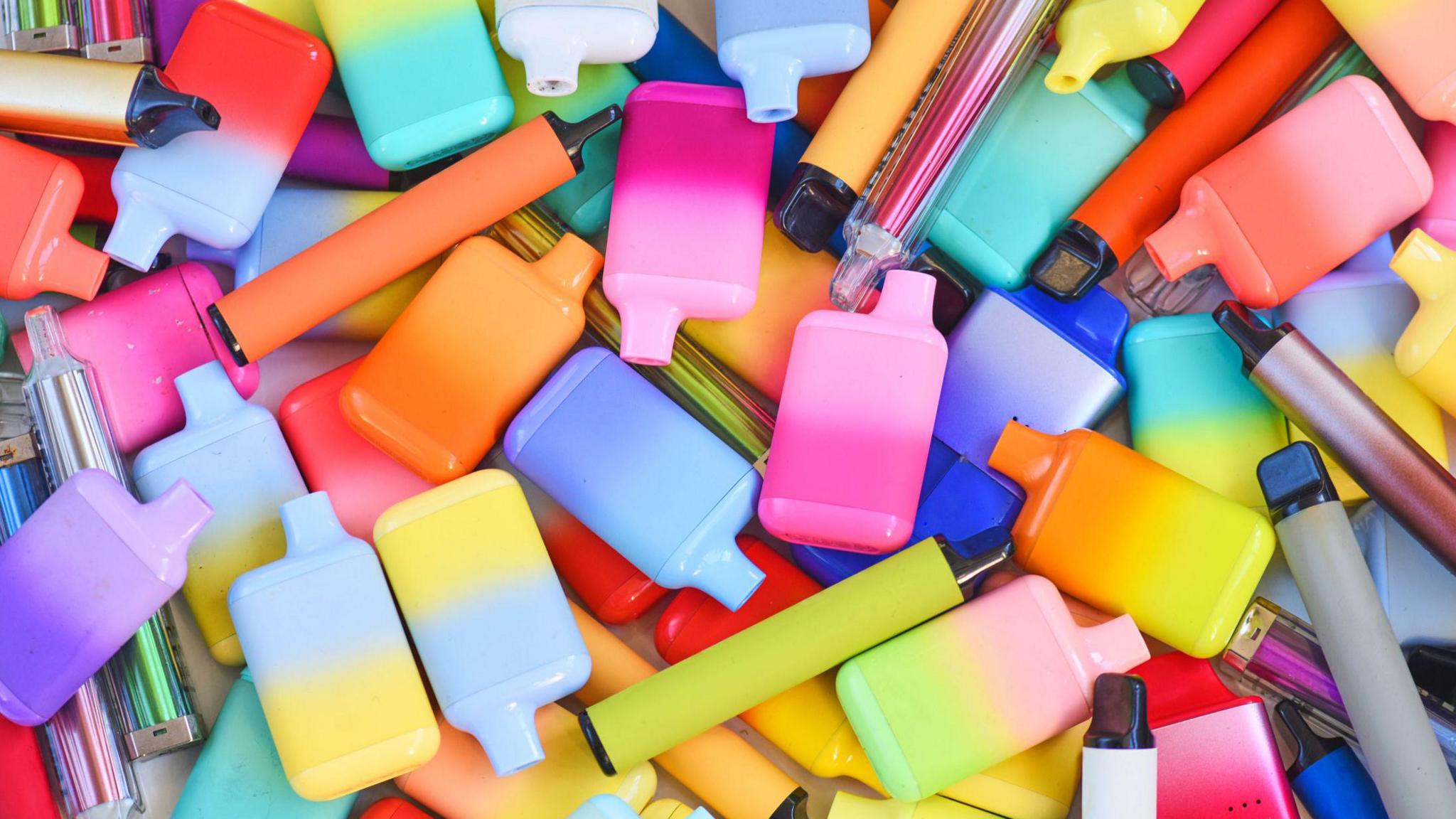
The consultation sets out principles for reducing appeal through naming and asks for evidence about which terms or descriptions lead to increased attraction among young people. In practice, that could mean replacing fanciful or candy-style flavour descriptions with simpler, more factual labelling such as “tobacco” or “menthol.”
Officials framing the proposals say the aim is to remove marketing language that may glamourise vaping for younger people. The BBC report highlights that the suggested approach concentrates on names and on-pack descriptions rather than immediately banning specific ingredients or flavours. Any definitive regulatory steps would follow review of consultation responses.
The consultation document described in the reporting does not list a predetermined banned-word list or exact packaging templates. Instead, it asks businesses, public-health groups and the public to provide evidence on which terms are problematic and how naming rules should be designed and enforced if adopted.
Why officials say flavour descriptions matter
Supporters of the change argue that enticing flavour descriptions can normalise vaping and make products more attractive to children. The BBC article quotes campaigners and health advisers who say some names appear intentionally targeted at younger people.
That claim is reported as an allegation: the BBC notes the link between naming and increased youth uptake has not been independently proven in that coverage. Policymakers are explicitly seeking evidence on whether and how naming influences behaviour, and the consultation is intended to collect such evidence before any firm decisions are made.
Public-health bodies have previously raised concerns about youth vaping trends and marketing practices more broadly, which helps explain why names and labelling are being examined. However, the consultation is an early-stage policy tool designed to test the case and gather research and practical feedback.
How retailers and consumers could be affected
If naming rules are adopted, retailers and vape companies may need to update packaging, point-of-sale displays and online product listings. That could mean relabelling existing stock, changing product descriptions and adjusting printed materials — all of which have time and cost implications, particularly for smaller businesses.
For consumers, especially adults using vapes to quit smoking, simpler names may make it harder to identify product flavours from names alone. Shoppers may need to rely more on ingredient lists or neutral descriptors when choosing products. Online marketplaces and independent sellers could face additional work to ensure listings comply with any new guidance.
The consultation seeks feedback from businesses on practical impacts and transitional arrangements, so affected companies are being encouraged to provide evidence on likely costs and logistical challenges.
What comes next
The BBC report (published 10 July 2026) says the government is collecting responses as part of the consultation process. The report does not specify a consultation closing date or a detailed timetable for next steps.
Typically, after a consultation closes officials review evidence and may publish a response setting out next steps. If the government decides to pursue regulation, changes could come through secondary legislation, updated regulatory guidance or revisions to product standards — each of which would follow further legal and stakeholder processes. Because this is still a consultation, proposals may change or not be adopted.
Practical next steps: businesses that could be affected should consider preparing clear submissions on likely costs and implementation challenges. Members of the public who wish to influence the outcome should look for the official consultation portal or guidance and respond with relevant evidence or views during the consultation period.
Frequently asked questions
What are the proposed changes to vape names?
The proposals would discourage or restrict the use of enticing, candy-style or evocative flavour descriptions and encourage more neutral, factual naming to reduce appeal to younger people. The consultation asks for evidence on how naming affects appeal and behaviour.
Will flavours be banned or just renamed?
The measures under discussion focus on how flavours are described rather than banning flavourings themselves. That said, tighter naming rules could alter how products are marketed and perceived and may be accompanied by other regulatory changes in future.
Who is running the consultation and when could rules change?
The BBC report describes this as a UK consultation process but does not name a single lead department or regulator in its public reporting. Responses to consultations are typically reviewed before any formal proposal is prepared; there is no confirmed timetable for when rules might change.
Source and further reading: This article is based on reporting by BBC News – Health. For the original BBC report, see: Vapes to have less enticing names to protect children, under UK plans (BBC News – Health, published 10 July 2026).