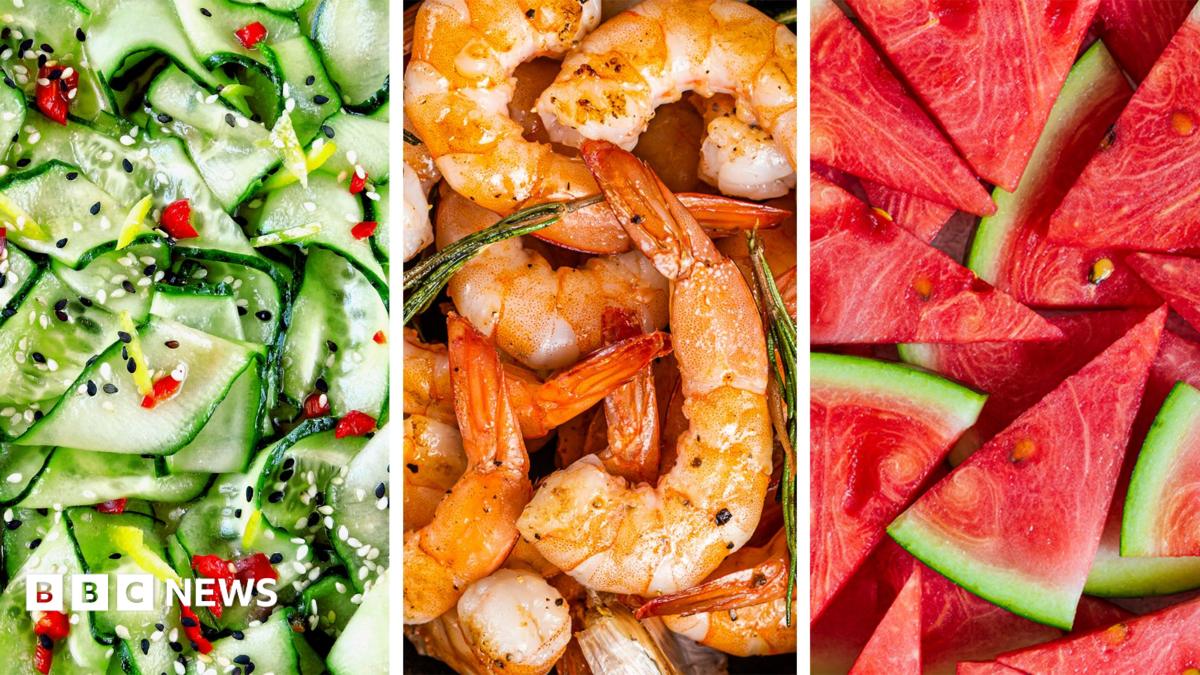
When the oven turns your kitchen into a sauna, choosing cooler meals matters. This update focuses on protein in heatwave diets and practical no‑oven or low‑heat options that keep you nourished without overheating your home.
Short swaps, chilled bowls and ready‑to‑eat proteins can keep meals satisfying while reducing indoor heat and cooking time. The points below summarise details from a BBC News – Health piece and add practical, advisory suggestions for home use.
protein in heatwave diets: the latest update
The BBC coverage highlights how to eat comfortably during hot weather by favouring no‑cook or minimal‑heat protein options. It does not say everyone must change their protein intake in a heatwave; instead it presents ways to get protein without relying on oven‑based cooking.
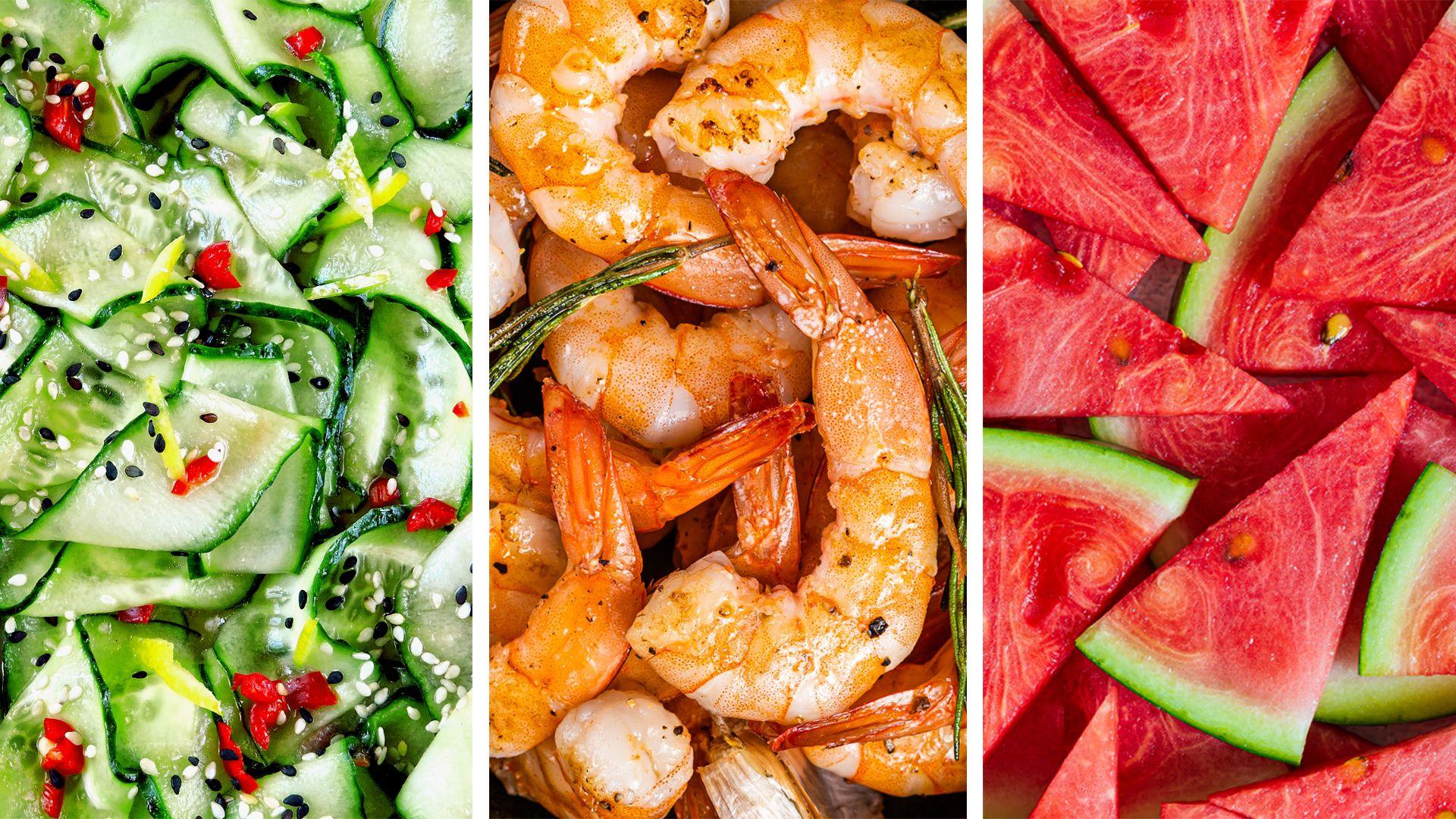
Key messages about protein in heatwave diets are practical: use chilled, pre‑cooked or ready‑to‑eat proteins where possible, plan simple meals that can be prepared in advance, and prioritise hydration alongside protein. The article is advisory rather than prescriptive and makes clear that individual needs vary.
Key details from the report
This section summarises the strongest reported details. The BBC lists a range of ready‑to‑eat protein choices: canned fish (tuna, salmon), cold cooked poultry, tofu and tempeh, yoghurt and cottage cheese. It also highlights plant proteins such as legumes, cold bean salads and hummus, and snacks like nuts and seeds.
Details in the report emphasise convenience and safety: many suggestions are items you can serve cold or prepare ahead and chill. The piece also recommends combining protein with fresh vegetables, grains or leaves to make balanced, cooling meals.
The BBC coverage is careful not to offer medical or personalised nutritional directives. It points readers to general coping strategies for hot weather — less oven use, more chilled options — while noting that people with special dietary needs should seek tailored advice from health professionals.
No‑cook and low‑heat meal ideas (practical examples)
Below are simple, low‑heat suggestions and quick no‑cook recipes, with approximate portions. These are practical ideas consistent with the BBC guidance on cooler eating.
Chilled tuna & bean salad — serves 2: 1 can tuna (drained), 1 can cannellini or mixed beans (rinsed), handful chopped parsley, diced cucumber, olive oil and lemon. Toss and serve over lettuce or cold cooked quinoa.
Greek yogurt protein bowl — serves 1: 150–200g Greek yogurt or fortified plant alternative, 1 tbsp mixed seeds, a small handful chopped nuts and a portion of seasonal fruit. Quick, high in protein and no heat needed.
Gazpacho with white beans — serves 2–3: Blend ripe tomatoes, cucumber, pepper, olive oil and a drained can of white beans for body. Chill and serve; beans boost protein and texture.
Silken tofu fruit smoothie — serves 1: 100–150g silken tofu, handful berries or banana, splash of milk or milk alternative; blend with ice for a protein‑rich, cooling drink.
Make‑ahead chickpea salad jars — makes 2 jars: Cooked or canned chickpeas, chopped veg, herbs and dressing layered in jars keep well in fridge for quick cold lunches.
These ideas are flexible: adjust portions and ingredients to appetite, dietary preference, and any medical needs. They are intended as practical, low‑heat ways to get protein without relying on the oven.
Cooling drinks and light options to combine with protein
Hydration matters in hot weather. Combine fluids and protein where useful: smoothies with yogurt or silken tofu, milk or fortified plant milks, and iced herbal teas are all options. Chilled broths or consommés (kept cold) can be soothing and, when combined with beans or lentils, add substance without heavy cooking.
If you are sweating heavily or have medical conditions that affect fluid balance, follow medical advice about electrolyte replacement rather than relying solely on home remedies.
Food safety is particularly important in heat: cool cooked foods quickly, refrigerate where possible, and follow local guidance on safe storage. If you care for someone vulnerable or have limited refrigeration, check local health service advice for practical support and storage tips.
What to watch next
Next steps in coverage are likely to focus on practical follow‑ups: more detailed food‑safety guidance for storing protein in high temperatures, targeted advice for groups with higher protein needs (older adults, athletes or those with specific health conditions), and community resources for people without reliable cooling or refrigeration.
Watch for official guidance from public health bodies and nutrition organisations; they may publish next steps that include specific storage times, recommended temperature control measures and tailored meal plans. If you fall into a higher‑need group, look out for targeted advice and follow up with a healthcare professional for personalised recommendations.
In the meantime, consider these practical next steps at home: plan chilled meals in advance, keep a stock of ready‑to‑eat protein items (canned fish, yoghurt, beans, nuts), and prioritise cooling and hydration strategies that suit your routine.
Source: BBC News – Health.
Note: This article summarises practical advice from the BBC piece and offers general meal ideas. It does not replace personalised medical or dietary advice. Consult a healthcare professional for recommendations tailored to your health or medical needs.