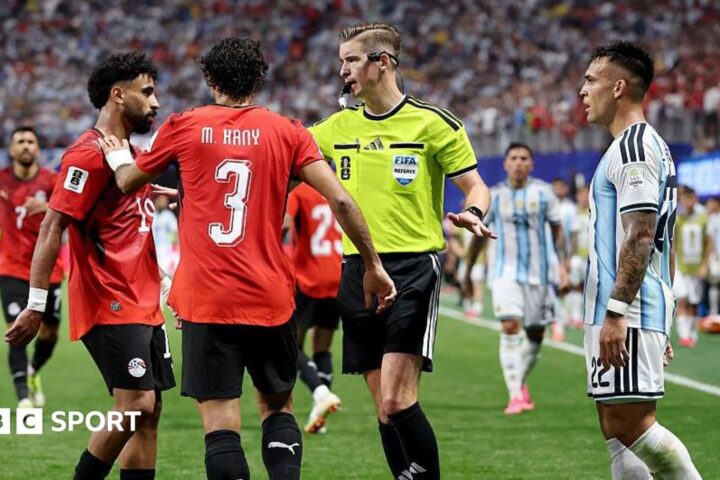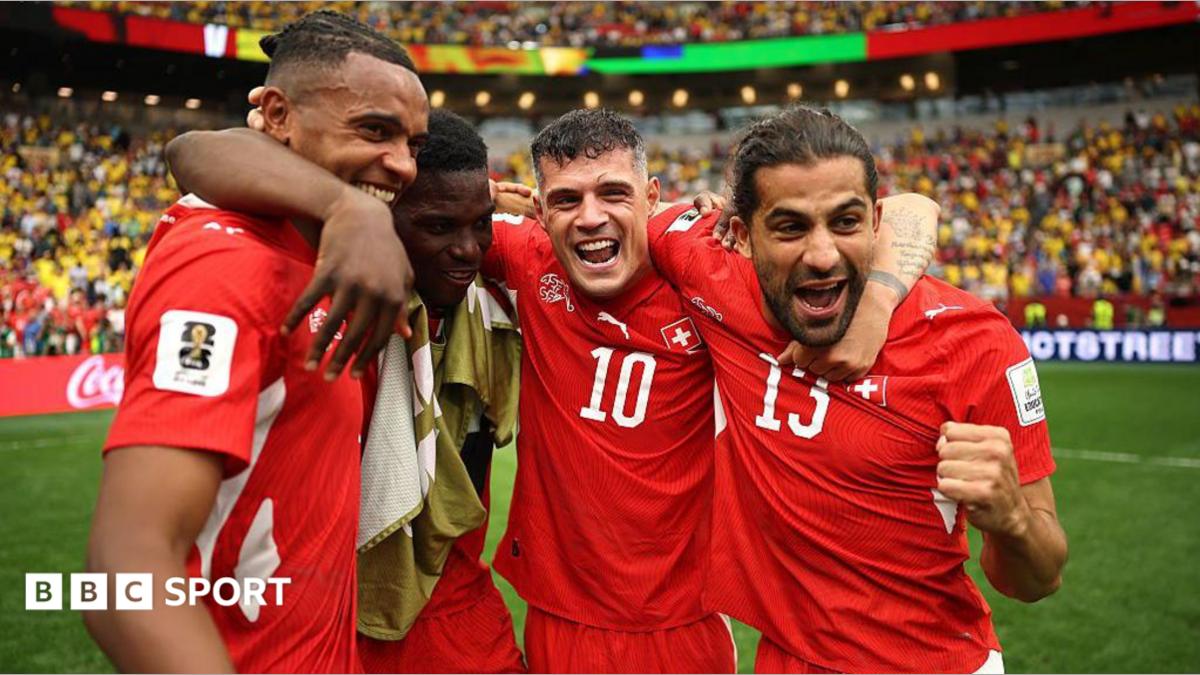
According to BBC Sport, six of the eight quarter-finalists at the World Cup in North America are from Europe. Europe dominating World Cup narratives so far reflects a mix of tournament structure, squad depth and tactical trends; this short analytical brief explains the drivers behind the concentration, places the fact in historical context and outlines what it likely means for the title race while noting the limits of prediction in a knockout event.
Quick summary: Europe dominating World Cup
In short: European sides account for three-quarters of the last eight. That shifts baseline probabilities in favour of a European champion, but it is not a guarantee. This brief will discuss the main causes of the current run, what comparable patterns have looked like in the past, and why single-match variance still dominates outcomes in the knockout stages.
Why Europe is dominating the World Cup
There are several, overlapping explanations that help account for the heavy European representation at this stage.

Squad depth is a key factor. Many European national teams draw most of their players from deep, competitive domestic leagues. That breadth of high-level professionals gives managers more reliable options when injuries, fatigue or suspensions accumulate across a long tournament.
Tactical evolution across Europe also matters. In recent years, coaches from multiple nations have emphasised systems that combine possession control, coordinated pressing and rapid transition play. Those hybrid approaches make teams harder to break down in single knockout matches, because they can adjust tempo and style depending on the opponent.
Preparation and resources are another contributor. European federations frequently have established scouting networks, sports science support and extensive competitive calendars which help with opponent analysis and player conditioning. Clubs and national teams in Europe also tend to coordinate on load management, which can reduce late-tournament drop-off in performance.
Finally, draw geometry and matchups have contributed. The path a team faces through group stages and knockouts can make a substantial difference: when strong non-European contenders eliminate each other early, or when the bracket places several top European teams on the opposite side from other favourites, the last-eight composition naturally skews European.
By the numbers: trends and history
BBC Sport places the headline fact at the centre of its coverage: six European quarter-finalists. That figure is notable but not historically unique—Europe has frequently supplied a substantial share of late-stage participants, especially as domestic European leagues have grown in global depth and quality.
Statistically, greater representation from one confederation raises the simple probability that the eventual winner will come from that confederation. However, straightforward counts overstate predictive power because they do not reflect match pairings. Two strong European teams meeting in a semi-final, for example, removes one European possibility from the final irrespective of continental representation in the quarters.
Bookmakers and probabilistic models update when representation changes: more European teams in the last eight typically compress odds towards European candidates. Yet models also fold in head-to-head matchups, form, injury reports and situational factors such as travel and recovery time. That makes odds responsive to both the continent-level composition and the specific bracket paths.
What this means for the title race
The immediate implication is that, all else equal, a European winner becomes more likely as representation among quarter-finalists rises. But that increased likelihood sits alongside concentrated risk: when many contenders are from the same confederation, they can eliminate one another before the final.
Knockout football magnifies variance. One red card, a penalty shootout, an ill-timed injury or a tactical gamble can override tournament-long trends. That is why cautious language is warranted when forecasting a champion even when Europe dominates the quarter-finals. Form, fitness and bracket pairings in the next rounds will be decisive.
From an analytical perspective, the best near-term indicators to watch are specific matchups, recent minutes played by key players, and where likely semi-final pairings concentrate continental representation. Raw continental counts are useful as a headline but are less informative than the geometry of who plays whom and how teams match up tactically.
Quick takeaway
Europe dominating World Cup quarter-finals underscores structural strengths—player depth, tactical evolution and professional preparation—visible at this tournament. It raises the baseline chance of a European champion, but the knockout format, bracket pairings and match-level variance mean the outcome remains open. Careful watchers should track upcoming matchups and squad fitness as better short-term predictors than continental tallies alone.
Source and next reading
This analysis is informed by reporting from BBC Sport – Top Stories. For the original reporting and fuller context, see the BBC Sport piece “Unusual or predictable? How Europe is dominating the World Cup”: https://www.bbc.co.uk/sport/football/articles/cr479drd159o?at_medium=RSS&at_campaign=rss. The BBC provides the primary fact that six of the eight quarter-finalists are European; interpretations here are cautious and framed to reflect the limits of prediction in knockout competition.