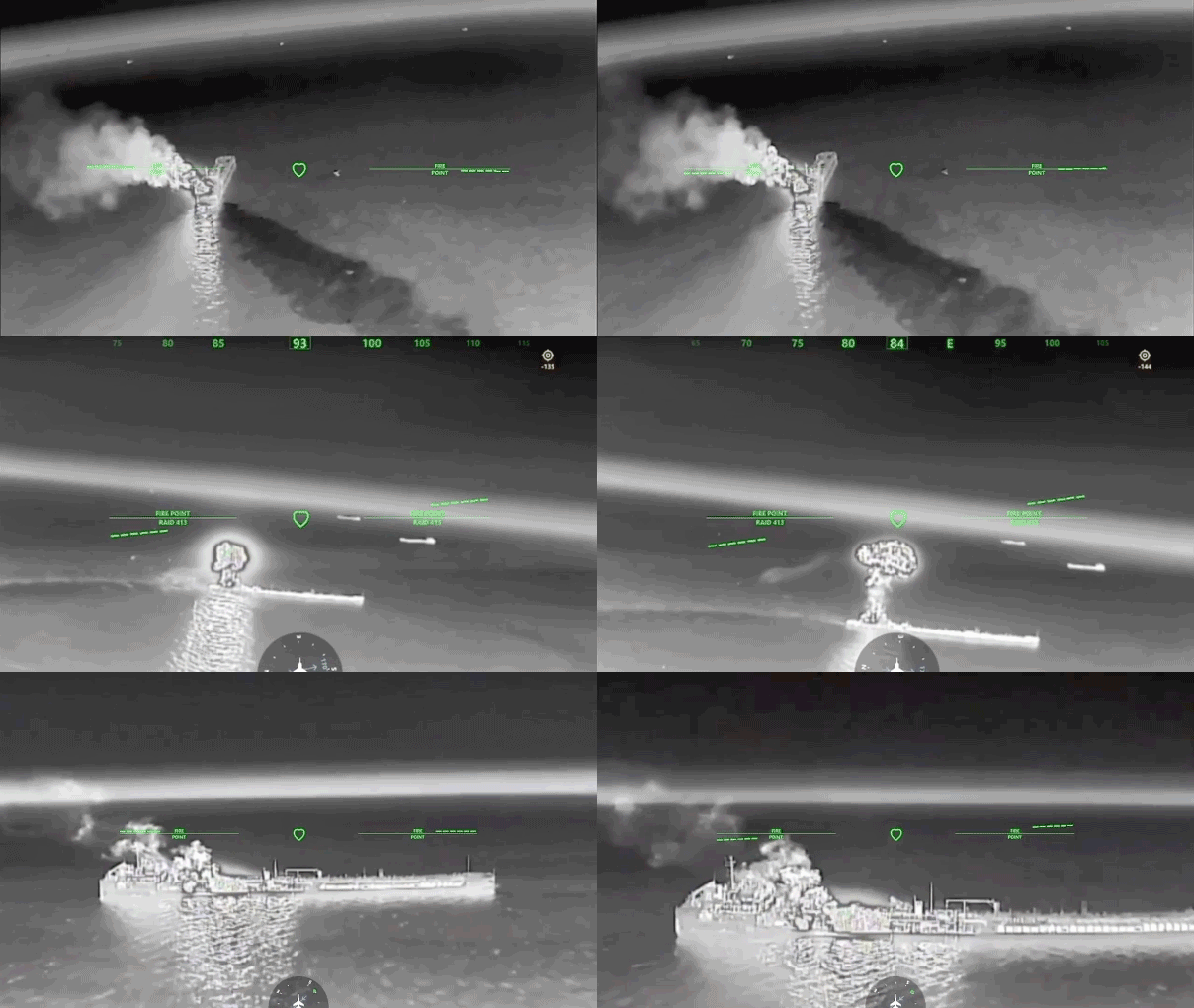
Kyiv said a wide-ranging Ukraine drone offensive struck Russian-linked oil tankers, refineries and military facilities across several regions this week, a campaign officials described as approaching an “industrial scale.”
Quick facts
- Ukrainian military statements said nine vessels were struck in the Sea of Azov on Wednesday and that 21 vessels were targeted over 72 hours; international wire services reported those claims as coming from Kyiv.
- Commander Robert “Magyar” Brovdi and Ukrainian Unmanned Systems Forces publicly said the wider campaign included some 19 oil tankers, a cargo ship and a ferry Kyiv called part of a shadow fleet.
- Russian regional authorities reported one fatality in Saratov after attacks on energy infrastructure; Moscow and Kyiv have given differing accounts and casualty figures are preliminary.
Ukraine drone offensive: targets and scope
Ukrainian officials framed the operation as a sustained maritime and onshore campaign designed to disrupt fuel movement and logistics that support military operations. Kyiv has used the phrase Ukraine drone offensive in public statements to describe the operation.
Ukrainian sources, including the Unmanned Systems Forces and Commander Brovdi, named dozens of targets they said were involved in moving fuel toward Crimea or supporting Russian logistics. Kyiv characterized many of the vessels as part of a so-called “shadow fleet” that helps skirt sanctions.
Independent outlets have relayed Kyiv’s claims while noting they remain unverified. Reuters reported that Ukrainian forces asserted nine vessels had been struck and that a larger set of targets was engaged over several days; Reuters described these as Kyiv’s claims rather than independently confirmed strikes.
Impact on fuel and industry
Kyiv and industry contacts said one of the most consequential hits was on the Omsk refinery in southwestern Siberia. Reuters quoted two industry sources saying processing at the Omsk refinery stopped after the reported strike; those sources told Reuters the halt was industry-verified, but independent on-the-ground confirmation remains limited.
Moscow announced a temporary ban on diesel exports through July 31, citing the need to protect domestic supplies amid reported damage and logistical disruptions. Regional Russian officials reported damage at refineries and depots in Tatarstan, Bashkortostan and Saratov.
The immediate commercial effects included reports of localized shortages, long queues at filling stations and purchasing limits in some areas, according to regional media and statements relayed by Russian authorities. Energy traders and shipping insurers will be monitoring whether refinery outages persist and whether maritime routes face higher premiums.
Military and diplomatic context around Ankara and the frontlines
The campaign occurred as President Volodymyr Zelenskyy attended high-level talks at the NATO summit in Ankara. Kyiv said discussions included air defence cooperation and proposals on drone production and operations.
Ukrainian and Western accounts at the summit said the United States indicated support for expanded air-defence cooperation; public comments included references to Patriot interceptors and their role in protecting critical infrastructure. Kyiv also pointed to recent strikes on Russian air bases, including a reported strike on Borisoglebsk airfield in Voronezh region that Ukraine described as a staging point for combat aircraft.
Diplomats at the summit warned that attacks on fuel infrastructure can complicate political and military calculations, since fuel shortages can have rapid economic and social effects in affected regions.
Local scenes: Kyiv and the Russian regions hit
In Kyiv, officials said the summit visit did not pause the fighting. Mayor Vitali Klitschko reported storage fires in the Desnyanskyi district and emergency services responding to damage in multiple neighborhoods, underscoring how diplomatic activity and frontline operations overlapped.
In Russian regions, local governors and emergency officials described strikes on energy facilities and infrastructure. Saratov authorities reported a fatality linked to damage at an energy site; they shared preliminary casualty figures which independent monitors have not yet corroborated.
Industry contacts speaking to Reuters described operational disruptions at Omsk and logistical challenges rerouting product flows if outages continue. Analysts say rerouting can raise costs and slow deliveries for heating and transport fuels, particularly diesel used in heavy logistics.
What comes next
Verification is the immediate priority. Kyiv’s military releases identify specific vessels and facilities, while Russian officials and industry sources have provided different damage assessments. Independent confirmation of all reported hits, the extent of damage and verified casualty counts may take several days as investigators and journalists reach affected sites.
Markets and logistics could feel short-term effects if refinery outages persist. Higher maritime insurance premiums, rerouted cargoes and short-term retail shortages are plausible outcomes. Policymakers may consider additional export controls, temporary price measures or targeted security steps to protect refineries and storage facilities.
There is a risk of escalation. Both sides have framed attacks as military operations, and damage to energy infrastructure can prompt intensified defensive measures, retaliatory strikes or broader security responses from regional authorities.
Source attribution and verification notes
This report synthesizes Ukrainian military statements, regional Russian official reports, and independent reporting by Reuters. Fox News published a detailed account of Kyiv’s claims and provided imagery and context; Reuters independently reported industry sources saying Omsk processing had stopped and relayed that Ukrainian forces claimed nine vessels were hit.
Verification status (preliminary):
- Claims that nine vessels were struck and that 21 were targeted over 72 hours — reported by Ukrainian military sources and relayed by Reuters; these remain Kyiv claims and are not independently confirmed.
- Claim that 19 oil tankers were involved — attributed to Commander Robert “Magyar” Brovdi and Ukrainian statements; Reuters and other outlets have reported the claim as coming from Kyiv but have not independently verified each vessel.
- Omsk refinery halt — Reuters cited two industry sources saying Omsk had stopped processing after the reported strike; that reporting provides independent industry attribution but on-site confirmation is still pending.
- Casualty figures — Russian regional authorities reported one death in Saratov; these figures are preliminary and have not been independently corroborated by international monitors.
Sources: Fox News reporting on the drone offensive and Reuters reporting on industry sources regarding Omsk and Kyiv’s claims. Independent verification by journalists and investigators is ongoing; updates will follow as new confirmed information becomes available.
Links: Fox News – Drone offensive hits Russian oil tankers and refineries; Reuters.