BBC News reports that Burnham is unopposed after nominations opened for the Labour leadership to replace Sir Keir Starmer. Burnham, the former mayor of Greater Manchester, has been identified as the sole candidate to have secured the early backing needed to proceed in the immediate nomination period. This account reflects live reporting and the party’s formal nomination stage.
Burnham and the leadership race
Burnham’s emergence at this stage of the contest has been reported as a key development in Labour’s internal process. The picture described by broadcasters is provisional: nominations are open and being processed, and while early indications show no rival with matching support, the party’s formal checks and any remaining nomination window still need to conclude before a final list of candidates is confirmed.
What the BBC reported
The BBC’s coverage states that nominations for the Labour leadership have opened and that Burnham is, at present, unopposed. Reporters note that he has secured the early endorsements highlighted in the live reporting, and that the nomination stage is the immediate procedural hurdle the party is processing. The broadcaster frames this as a significant step for Burnham but does not assert that he will automatically become prime minister or leader of the party without the completion of formal steps.
Who is Burnham
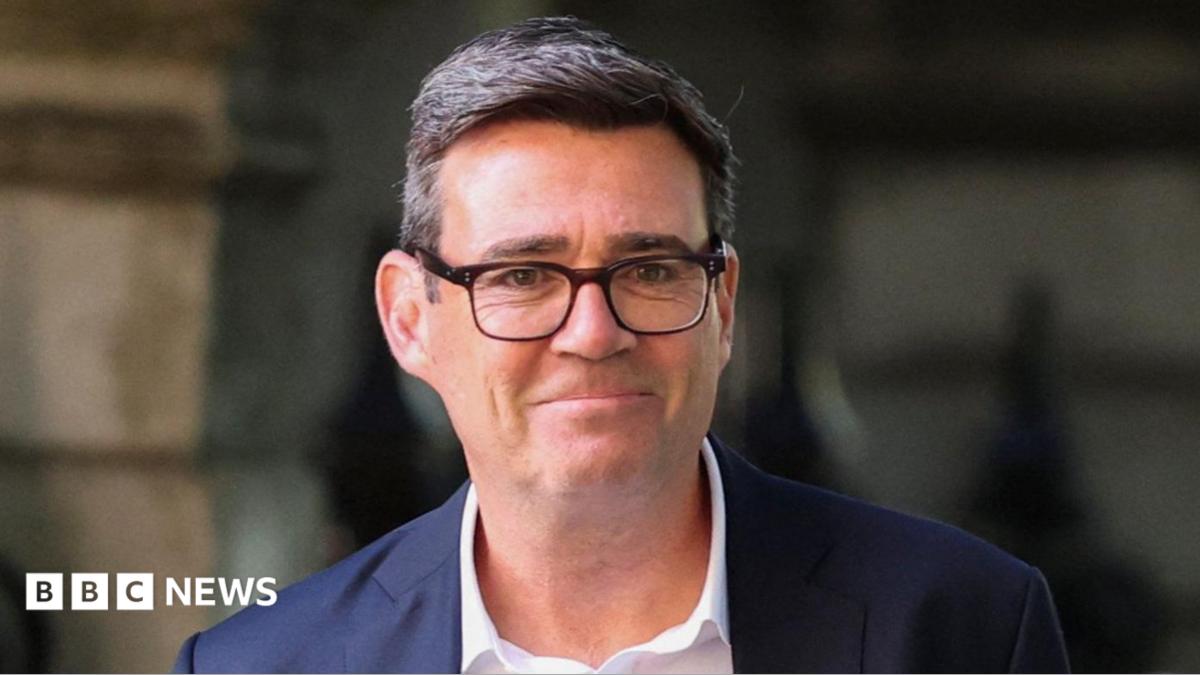
Andy Burnham is best known in recent years as the mayor of Greater Manchester, a role in which he focused on regional devolution, public services and local economic strategy. Before serving as mayor, he held several roles in national government and represented a constituency as an MP, giving him experience in both local and national politics.
His mayoralty raised his profile across the region and beyond, with a focus on negotiating devolved powers and coordinating city-region services. Observers point to that record as a reason he is considered a viable candidate within Labour, particularly among those who value local leadership experience alongside party-wide appeal.
How Labour nominations work
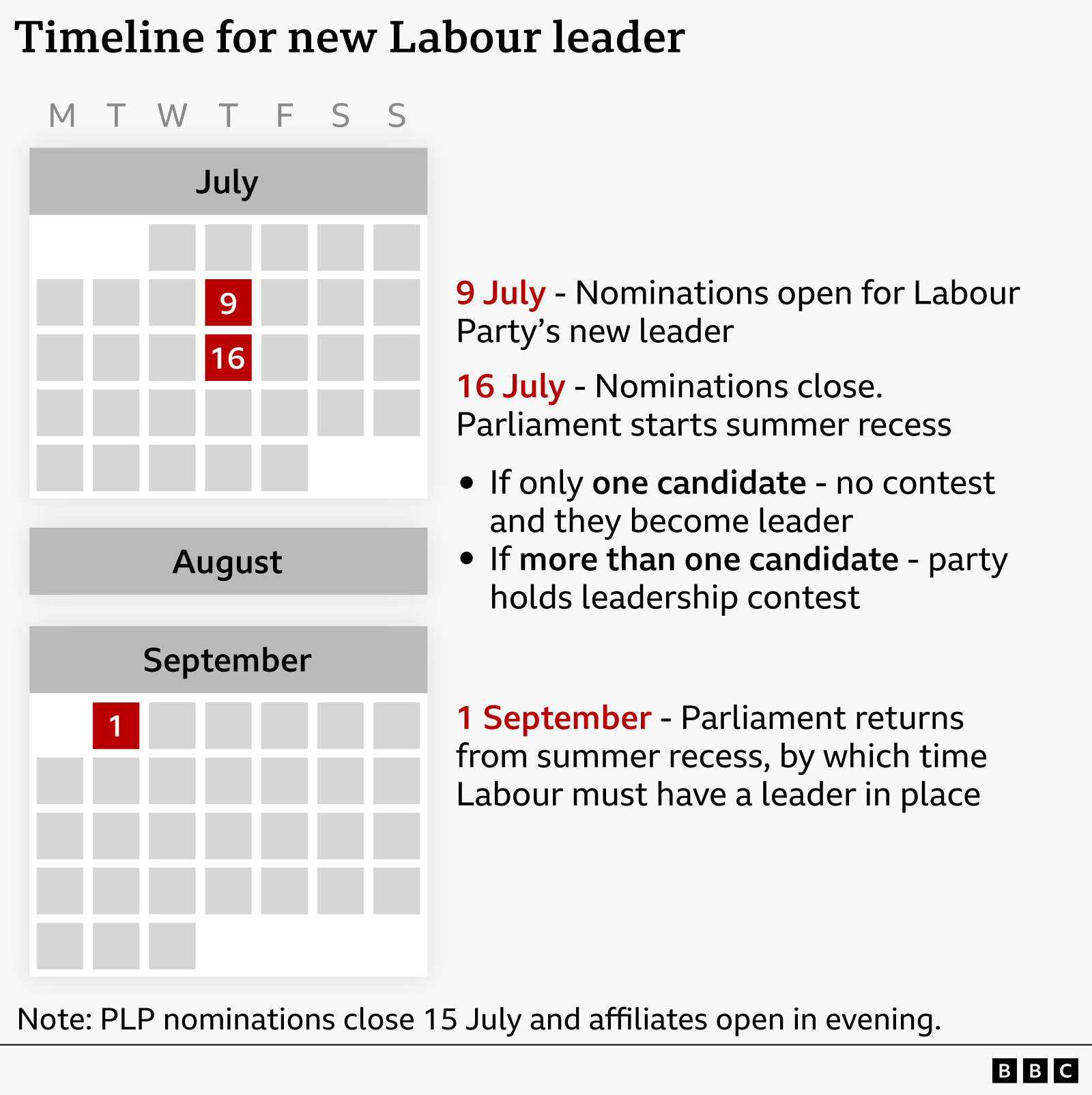
Nominations for the Labour leadership have opened under the party’s established procedures. In broad terms, candidates must gather nominations or endorsements from defined party figures, bodies or branches to appear on any subsequent ballot. After nominations close, the party verifies supporters and sets out the timetable for whatever voting or ratification process is required under its rules.
The exact thresholds, who can nominate and the subsequent timetable are determined by Labour’s internal guidance and any decisions of its national executive body. At this stage the party is processing nominations and verifying support; further announcements from Labour will set precise dates and requirements.
What this means for No 10
Some coverage has described Burnham as “on course for No 10,” reflecting the idea that the party leader often becomes the person charged with leading the government if Labour is in a position to govern. That phrasing is conditional: it assumes a sequence of events — confirmed leadership selection, party status in parliament or after an election — that are not guaranteed by the opening of nominations alone.
Political commentators caution that leadership selection is one step among many. Parliamentary arithmetic, election timing, internal party ratification and wider political developments all influence whether a party leader becomes prime minister. The nomination reporting should therefore be read as an account of the party process rather than as a forecast of a change of government.
What comes next
With nominations open, the immediate next steps are verification of nominators, the close of the nomination window and publication of any confirmed candidate list. If no other candidates meet the nomination threshold, the party will follow its internal process for confirming a leader; if multiple candidates qualify, the party will proceed to the voting stage set out in its rules.
Observers and party members will watch for official Labour announcements on deadlines, the national executive committee’s decisions and any timetable for member ballots or conference procedures. Media coverage will update as the party publishes confirmation of nominators and candidates.
Context: Greater Manchester and Labour
Burnham’s standing is closely linked to his record in Greater Manchester, where devolved powers and city-region governance were central to his mayoral tenure. That background gives him a distinct political profile compared with candidates whose experience is mainly within parliamentary roles.
The balance between local executive experience and national parliamentary support is often a key factor in internal party contests. Burnham’s regional base and public visibility through mayoral responsibilities are part of how party members and affiliates will assess his suitability as the contest moves through formal stages.
FAQ
What happened with Burnham?
The BBC reports that Burnham is unopposed at the point nominations opened for the Labour leadership to replace Sir Keir Starmer. He has secured early backing highlighted in the reporting, but the result of the leadership process remains subject to Labour’s formal procedures.
Why does Burnham matter?
Burnham matters because of his public profile as former mayor of Greater Manchester and his national political experience. His record on regional devolution and public services shapes how supporters and commentators view his candidacy.
What happens next?
The party will verify nominations, publish any confirmed candidate list and then follow its internal rules on ballots or ratification. Until those formal steps are complete, the leadership outcome is not final.
Source: BBC News