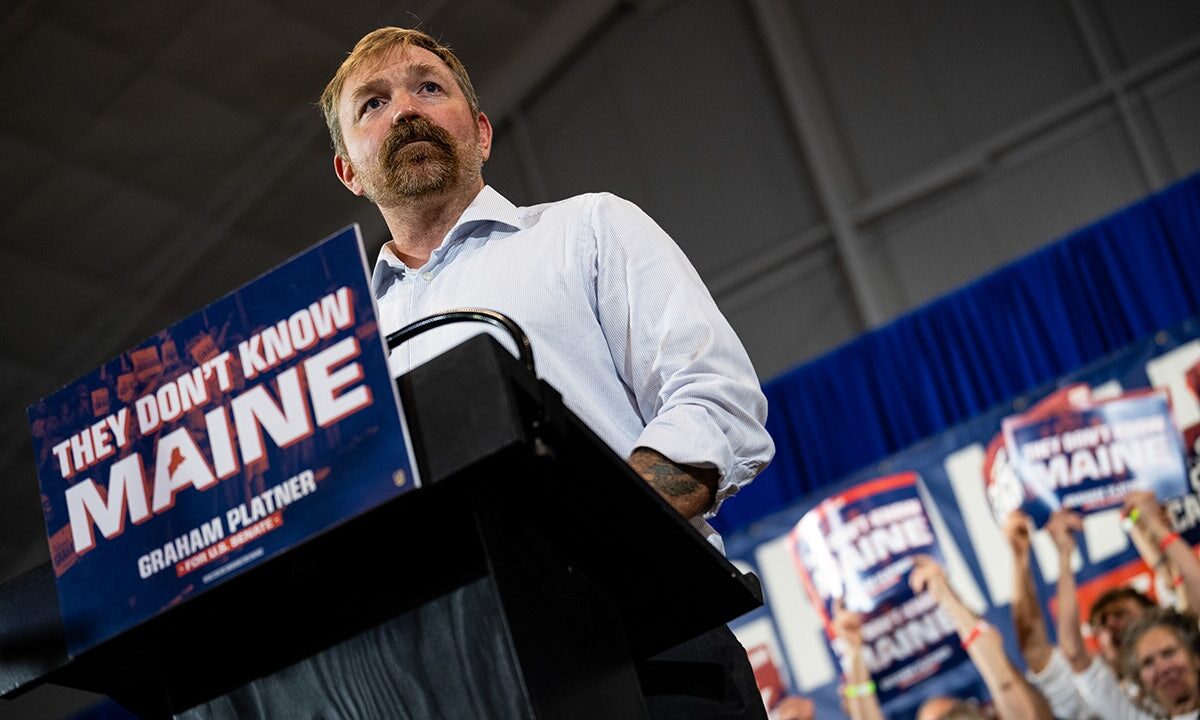
Graham Platner dropped out of the Maine Senate race late Wednesday, according to a Fox News opinion column by Hugh Hewitt, after new vetting concerns and linked allegations surfaced online and in headlines. The reported withdrawal highlights how modern opposition research, amplified by social platforms and rapid aggregation, can force swift decisions in competitive primaries.
The column framed the episode with a reference to Luke 8:17 — “For nothing is secret that will not be revealed” — to underscore a broader point: in today’s digital environment, historical material and third-party claims can surface and reshape campaigns almost instantly.
What happened: Graham Platner’s exit
According to the Fox News column, Platner left the Democratic primary for the Maine Senate seat after a wave of linked headlines and social posts raised vetting questions. The column describes a brief timeline in which attention to those items accelerated public scrutiny and preceded his withdrawal.
Press coverage as aggregated in the column referenced several contested claims tied to Platner’s past supporters and campaign recruitment, which, once amplified, became a focal point for opponents and commentators. The column and the linked headlines are the proximate sources for the reporting that Platner exited amid the controversy.
How opposition research brought issues to light
Opposition research today typically blends archived reporting, public records, social-media threads and freelance or vendor-driven searches. Material that once might have remained obscure can now be surfaced, packaged and distributed in hours — and often with minimal initial verification beyond public posts or secondary headlines.
In this case the column argues that once those items were flagged and republished across social platforms and opinion pages, the pressure on a small or growing campaign intensified. That dynamic is familiar to campaign operatives: a single viral thread or opinion column can prompt rapid reassessment of a candidate’s viability.
Not all surfaced material is equally probative. Campaigns and newsrooms must decide quickly whether to investigate, disclose or rebut — and opponents may use early, unverified items to frame narratives that persist even if later disputed.
Allegations and vetting concerns
The linked coverage cited in the column includes references to a rape allegation and to an item describing a purported “Nazi-linked tattoo” associated with figures connected to Platner’s past. Those items appeared in secondary headlines and aggregations cited by the column.
It is important to emphasize that these are allegations reported in linked pieces: they have not been presented here as independently verified facts. Readers should treat them as contested claims until corroborated by primary reporting, official findings or direct documentation.
The column raises questions about whether Platner’s team and his recruiters had sufficiently scoured past associations and public material before the campaign scaled up. In many races, incomplete vetting or delayed disclosure multiplies risk, because opponents and researchers can amplify gaps into larger narratives.
What this means for the Maine Senate race
Platner’s withdrawal changes the competitive picture by removing a candidate who, before the headlines, occupied a potentially significant lane in the Democratic primary. That shifts resources, endorsements and voter attention among the remaining contenders.
Strategically, the episode underscores several tactical implications for the Maine Senate race and similar contests:
- Opponents will likely use the episode to question vetting standards and judgment, potentially pressuring other campaigns to clarify recruitment practices.
- Candidates already in the race may accelerate their own internal vetting and consider earlier, more proactive disclosures to neutralize future surprises.
- Media coverage and social amplification can lock a narrative in place quickly; rebuttals or clarifications released later often struggle to achieve the same reach.
For voters, the practical takeaway is to distinguish between initial allegations and substantiated findings. Early headlines can affect perception well before verification is complete.
What comes next
- Campaigns: Expect more exhaustive vetting of potential recruits and quicker disclosure protocols for troubling items discovered in archives or social threads.
- Media: Newsrooms will face renewed pressure to balance speed with verification, especially when republishing or linking to aggressive social reporting.
- Voters and watchdogs: Look for follow-up reporting from primary outlets and for any official statements or legal developments that corroborate or refute the linked claims.
Key takeaways
- Graham Platner’s exit illustrates how opposition research and social amplification can rapidly alter campaign trajectories.
- Allegations referenced in secondary headlines should be labeled as such and treated cautiously until independently verified.
- Early, thorough vetting and transparent disclosure are core risk-management tools for modern campaigns.
Frequently asked questions
Who is Graham Platner?
Graham Platner was a Democratic candidate in the contest for the Maine Senate seat. The Fox News column reports he left the race after vetting issues and linked allegations surfaced publicly.
Why did Graham Platner drop out?
The column links his withdrawal to newly public vetting concerns and headlines that referenced a rape allegation and other contested claims. Those linked items amplified scrutiny of his campaign and recruitment, preceding the withdrawal reported in the column.
Are the linked allegations proven?
No. The items cited in the column are allegations and secondary headlines; they have not been independently verified here. Readers should await primary reporting or official findings before treating them as established facts.
Source attribution: This analysis is based principally on a Fox News opinion column by Hugh Hewitt and the linked reporting cited within that column. Read the original column here: https://www.foxnews.com/opinion/morning-glory-graham-platner-proves-candidates-cant-outrun-secrets-scandal. For more from the columnist, see Hugh Hewitt’s site: https://www.hughhewitt.com/.
Note: Allegations referenced above are unproven here and should be treated as contested until corroborated by primary reporting or official confirmation.