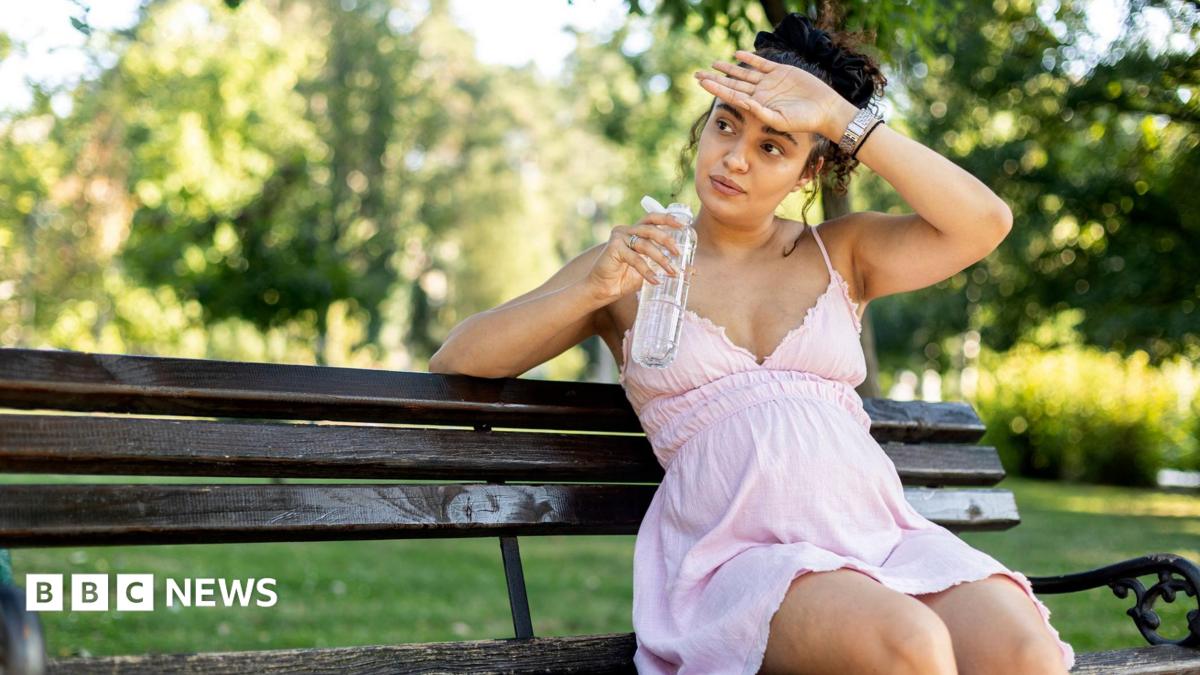
Experts are raising concerns about why heatwaves hit women harder and are calling for more targeted protection. The claim appears in recent reporting that notes higher heat-related risks for women, but the reporting also stresses important gaps in data and understanding.
This article summarises the available reporting: it states the claim, examines evidence limits, outlines biological and social factors that may increase vulnerability in some settings, summarises expert calls for targeted action and ends with practical, evidence-aware steps women and services can take in extreme heat.
Why heatwaves hit women harder
The central claim — that women may be disproportionately affected by heatwaves — comes from BBC reporting that quotes experts spotting patterns in some places. Those experts warn that women’s heat-related risks deserve attention and tailored responses rather than being treated as a universal, proven fact across all settings.
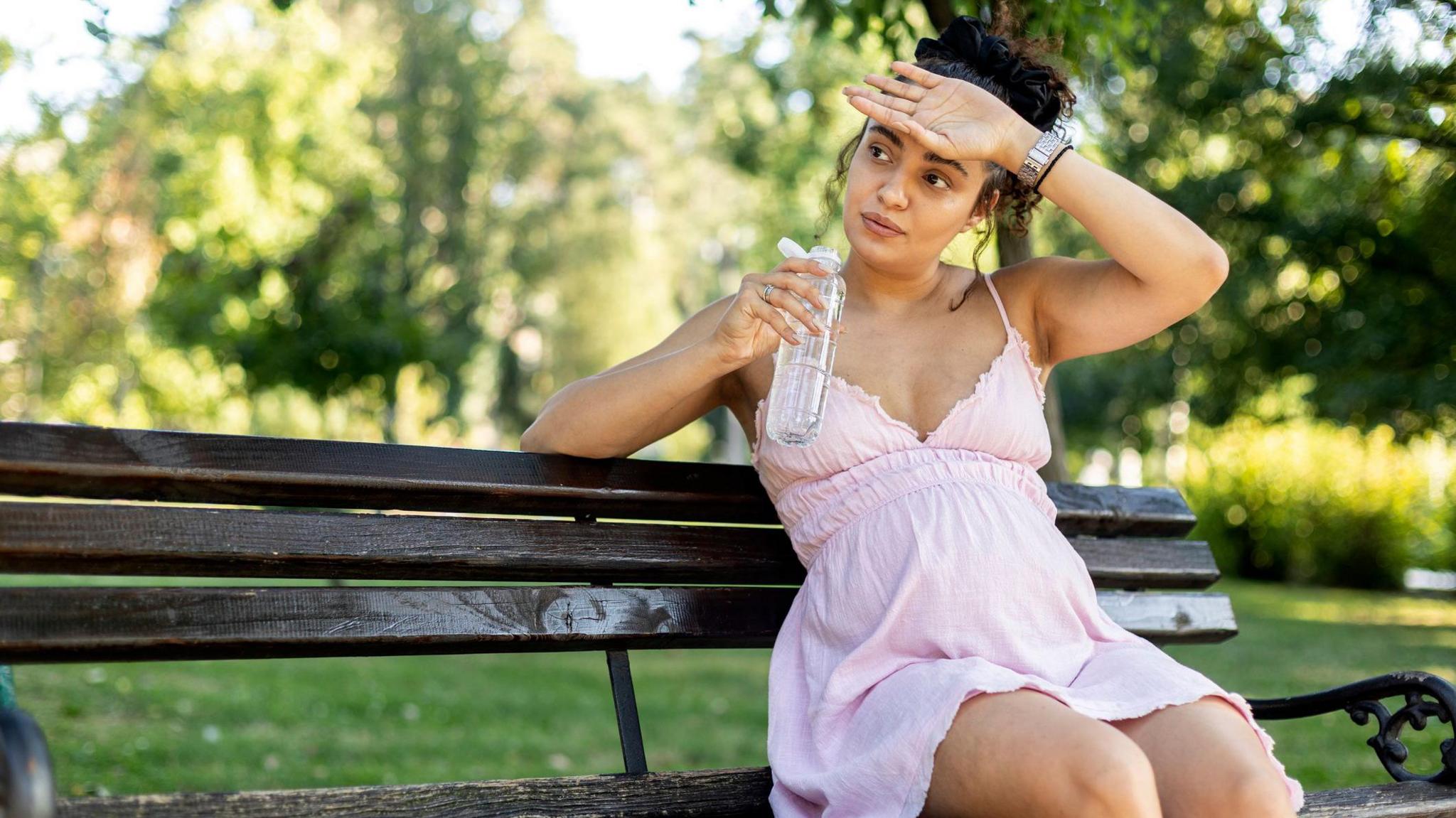
Where differences have been observed, the BBC piece highlights the need to treat those observations as signals for further investigation and for precautionary public-health measures, not as definitive proof that women everywhere face the same elevated risk.
How heat affects women’s health
Several biological and social mechanisms may help explain why some women appear more affected by heat in certain contexts. Biologically, differences in body composition, cardiovascular responses and thermoregulation can influence how heat is experienced. Life stages such as pregnancy or menopause change physiology and may alter heat sensitivity for some women.
Social factors interact with biology. Women are more likely in many societies to take on caregiving roles, to work in informal or unpaid jobs, or to have reduced access to healthcare or cooling where resources are limited. Those roles can increase exposure to heat or reduce opportunities to rest and cool down.
Medication use and chronic health conditions — which vary by sex and age — can also alter vulnerability to heat. Experts emphasise assessing both physiological and social drivers when planning heat protection rather than assuming a single cause.
Gaps in the evidence and data
The BBC report and the experts it quotes make clear that the assertion is not yet proven by a consistent set of named, large-scale studies within that piece. Key limitations include uneven collection of sex-disaggregated heat-health data, variation in how heat-related deaths or illnesses are recorded, and the confounding effects of age, socioeconomic status, housing and pre-existing health conditions.
Because reporting standards differ across jurisdictions, it is difficult to quantify how much more at risk women may be in any given place. Experts therefore call for better verification: consistent sex-disaggregated monitoring, clearer clinical definitions for heat-related conditions, and studies designed to separate biological effects from social and occupational exposures.
Until these data gaps are closed, public-health responses should be cautious and adaptive, using available signals to protect groups who appear vulnerable while investing in improved surveillance and research.
Calls for targeted protection and policy action
Public health specialists quoted in the report urge tailored responses rather than one-size-fits-all messaging. Targeted efforts could include outreach to groups identified as more vulnerable, adapting the location and opening hours of cooling centres, and ensuring heat-health advice accounts for caregiving responsibilities and informal work patterns.
At the service level, recommendations include strengthening surveillance systems to capture who is affected, training frontline health and social care staff to recognise heat-related risk in different populations, and ensuring support for people with reduced mobility or limited access to cooling. Experts stress coordination between health services, local authorities and community groups so help reaches those most likely to be exposed.
Practical steps women and services can take
Individuals: Simple, practical measures can reduce immediate risk. Stay hydrated, avoid strenuous activity during the hottest hours, seek cool environments and check on household members who may be vulnerable. If you take medication, consult a clinician or pharmacist about heat interactions rather than stopping medicines on your own.
Households and carers: Identify the coolest rooms in the home, use shades or blinds to limit indoor heating, and use wet cloths or cooling packs for short-term relief. Arrange check-ins for people who live alone or who care for young children or older relatives.
Health and social services: Prioritise outreach to groups likely to face barriers to cooling, include heat risk in routine assessments, and coordinate with community organisations to provide information and access to cooling spaces. Training staff to recognise different presentations of heat-related illness can help ensure timely care.
Employers and public planners: Provide shaded or cooled rest areas for outdoor and indoor workers, adapt shift patterns where possible, and include heat-risk planning in emergency preparedness for high-risk sectors, including informal work settings.
FAQ
Are women more likely to die in heatwaves?
Some reporting shows patterns of higher heat-related risk for women in particular contexts, but the evidence is not yet comprehensive or standardised enough to make a universal claim. More sex-disaggregated, standardised data are needed to determine how often and why this translates into higher mortality.
What immediate steps can women take in a heatwave?
Stay hydrated, avoid the hottest parts of the day, use cooling strategies (shade, fans, cool showers), check medications with a clinician, and ensure regular contact with anyone who may be vulnerable.
Why is more data needed to confirm the scale of the risk?
Reporting varies across places and heat-related harm is influenced by age, health, occupation and socioeconomic factors. Researchers need consistent, sex-disaggregated surveillance and studies that separate biological effects from social exposures to accurately measure the scale and causes of any disparities.
Source: BBC News – Health — https://www.bbc.co.uk/news/articles/c4gyp1knzzxo?at_medium=RSS&at_campaign=rss