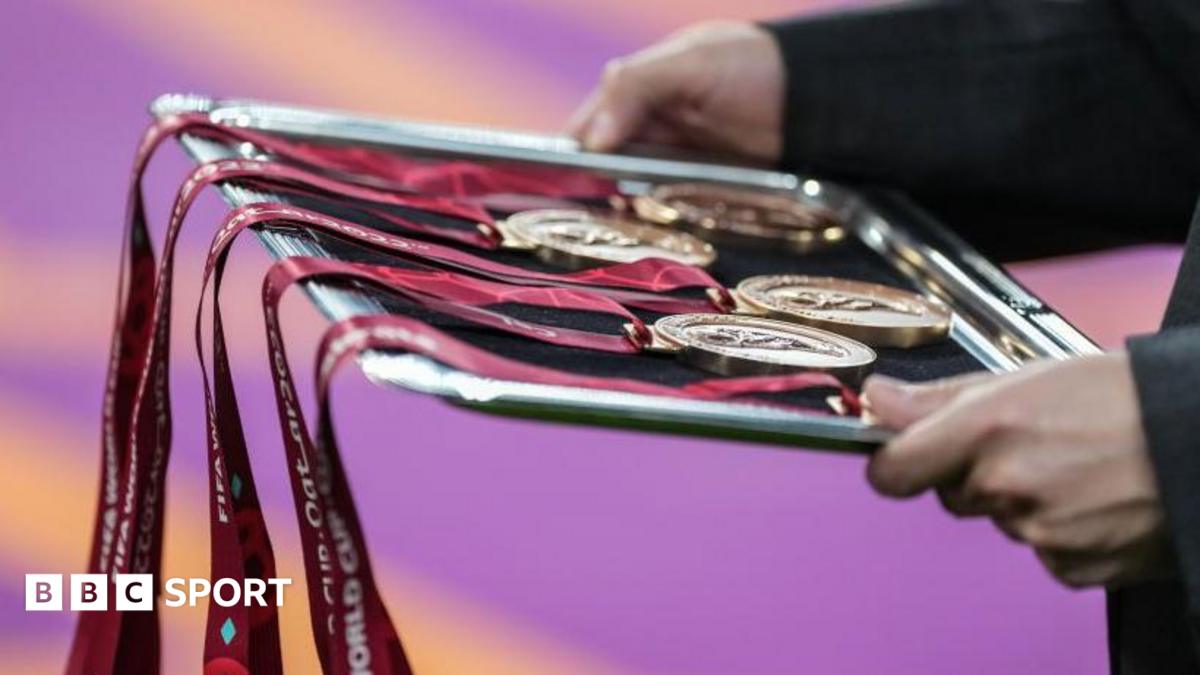
BBC News asked plainly: “Why does the Fifa World Cup Bronze Final still exist?” That question reopened a debate about the match’s purpose, value and likely future.
“The Bronze Final — the ‘unwanted tie’ or a match with a ‘golden layer’?” — BBC News
This analysis explains why the Fifa World Cup Bronze Final survives, traces its history, sets out the main arguments for and against the fixture, and surveys realistic reform options.

Why the Fifa World Cup Bronze Final survives
Fifa and tournament organisers offer practical reasons for keeping the bronze final. It is an embedded part of the tournament calendar and provides a clear, official ranking for the top four teams.
Broadcast and commercial commitments are often cited. TV contracts, sponsorship packages and tournament inventory assume a full slate of matches, and the third-place game delivers another marketable fixture.
There are also sporting rationales. For some nations a third-place medal is a major historical achievement. The match can offer younger squads competitive minutes and a formal finish to a long tournament run.
History and purpose of the Bronze Final
Third-place matches date back to early World Cups when organisers wanted clearer rankings beyond champion and runner-up. Over time the fixture’s role has shifted with changing formats and commercial priorities.
Originally the match helped fill competition schedules and satisfy broadcasters and fans wanting more fixtures. In some eras it felt like a valued prize; in others it was an awkward add-on after the semi-final disappointments.
Arguments for and against the match
Supporters point to clear benefits. Fans of the teams involved often value a final, broadcasters gain another sellable fixture, and federations add an official third-place to their records.
Opponents call it the “unwanted tie”: a match many see as emotionally hollow after missing the final. Motivation can be low and performance quality uneven when players are still processing semi-final defeats.
Player welfare is another concern. Additional matches add workload late in a long tournament, and managers sometimes view the game as an obligation rather than a target for peak performance.
Commercially, the fixture’s value varies by market. While broadcasters in some regions register solid audiences, neutral viewers often concentrate attention on the final and its build-up.
What comes next and the possible changes
Major reform faces practical limits. Removing the match would require renegotiating broadcast contracts and sponsor deals, and would need agreement from national associations.
Because those negotiations are complex, sudden abolition is unlikely. More probable are incremental tweaks: adjusting scheduling, enhancing the match’s marketing, or attaching stronger incentives for competing squads.
Another option is replacing the fixture with a fan-focused event or exhibition, preserving commercial value while reducing competitive pressure on players. Any meaningful change would likely follow a formal review or a wider format overhaul.
In short, the Bronze Final persists because it serves multiple organisational needs even as its sporting value divides opinion. Expect modest adaptation rather than outright removal in the near term.
Final note
BBC News framed the issue with its central question: “Why does the Fifa World Cup Bronze Final still exist?” That tension — between institutional embedding and cultural contestation — will guide how the match is treated in future tournament cycles.
Source: BBC News — The Bronze Final – the unwanted tie or a match with a ‘golden layer’?