JL Patisserie became the focus of a viral social media dispute after a TikTok creator criticized the bakery’s pistachio croissant as using “fake-a– ingredients.” The post was later deleted and the owner published a reply that drew national attention.
What happened at JL Patisserie
In October, influencer Aurora Griffo posted a short TikTok review of JL Patisserie’s pistachio croissant that used the phrase “fake-a– ingredients.” That video was removed and Griffo changed her username afterward.
The exchange began with a direct message about a potential collaboration. Owner Jenna Leurquin says Griffo contacted the bakery about working together. Leurquin told Fox News she did not have a budget for paid influencer work at the time and declined.
Griffo then visited as a paying customer and recorded a review that sparked debate online before it was deleted.
Owner Jenna Leurquin’s response
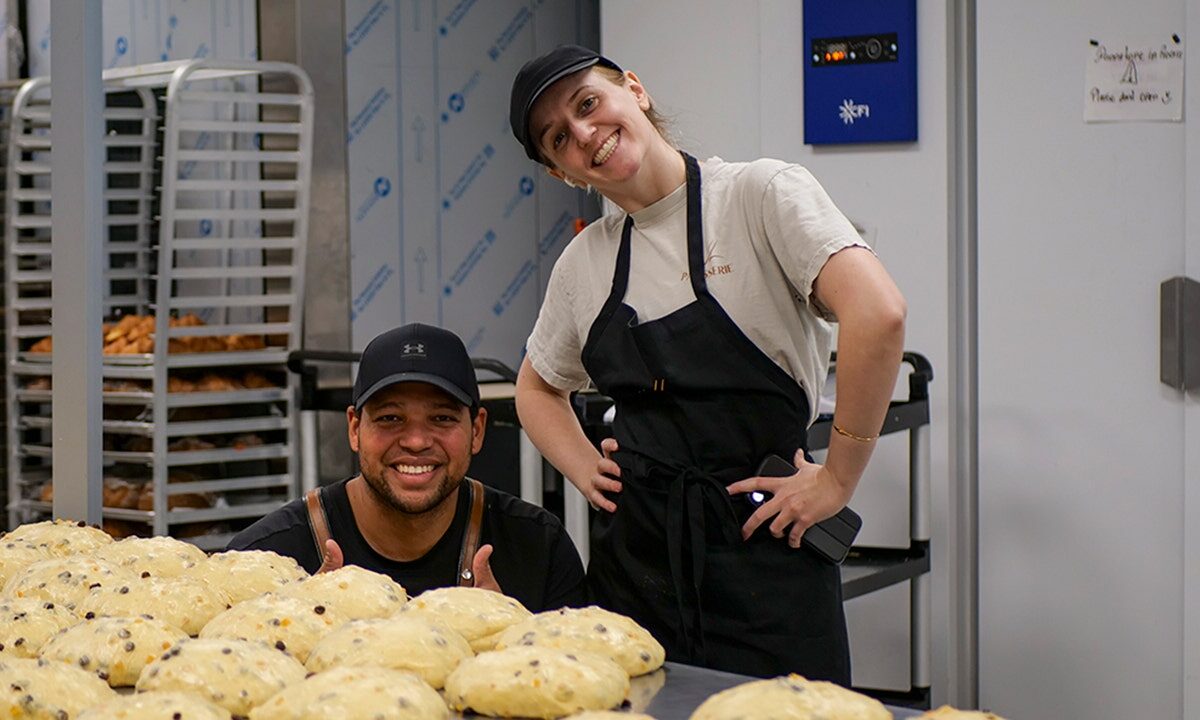
Leurquin, who founded JL Patisserie in 2018 and now operates three Arizona locations, posted a response video showing behind-the-scenes footage. The reply reportedly surpassed 73 million views.
In the video and in reporting to Fox News, Leurquin said, “most ingredients are imported from Europe.” That statement is attributed to the owner and has not been independently verified by this outlet.
Leurquin also showed pistachio paste and steps used in the pastry to explain her methods. She said staff offered a welcome drink and tried to be accommodating when Griffo asked for changes in music and service.
Leurquin’s account has grown substantially. Her TikTok presence is reported at roughly 690,000 followers with nearly 24 million likes, and she used the platform to present the bakery’s side directly to viewers.
What the screenshots and messages show
Screenshots shared publicly became central evidence for both sides. The screenshots do not include a direct request for money.
Instead, they show messages in which Griffo asked for the meal and gratuity to be comped and suggested she might not publish a review if the experience fell short. Leurquin has said that exchange matches her recollection.
After the dispute heated up, Griffo posted an apology and said she regretted the wording. She told followers she assumed a flavoring had been used and later said she “should have been more thoughtful” in describing the pastry. Her original phrase calling the pastry “fake-a– ingredients” is part of the record from the deleted review and screenshots shared online.
Timeline: key moments
- DM: Griffo messages JL Patisserie proposing a collaboration; owner declines due to no budget.
- Visit: Griffo visits as a paying customer and films a short review in the bakery.
- Post: Griffo posts a TikTok calling the pistachio croissant “fake-a– ingredients.”
- Delete: The TikTok is later deleted and Griffo changes her username.
- Reply: Owner Jenna Leurquin posts a response showing sourcing and preparation; the reply goes viral.
Impact on the bakery and local response
Leurquin said the viral episode followed a tough period for the business and that community support increased after the dispute. She reported a rise in customers across the bakery’s three locations in Phoenix and Scottsdale.
Online reaction was mixed. Some customers defended the bakery’s artisanal methods and its claimed use of imported ingredients. Others used the incident to debate influencer practices and disclosure around comps or paid reviews.
Leurquin framed the moment as stressful but ultimately clarifying. She told reporters the exposure helped customers see the labor behind the pastries and reconsider how creators handle restaurant coverage.
Why this matters for influencers and small businesses
The episode highlights friction points between creators and small shops. Expectations over compensation, the blurred line between paid and unpaid coverage, and rapid viral amplification are central concerns.
For businesses with tight margins, paid partnerships may be unaffordable. Declining a collaboration can lead to uncomfortable public responses if a creator posts a critical clip. For creators, the case underscores the importance of careful phrasing and clear disclosure about whether coverage is paid.
Both sides in this dispute relied on partial records: the creator reacted to taste and presentation, while the owner presented sourcing and procedures. Observers called for clearer communication and transparency on both sides.
FAQ
Did Aurora Griffo accuse JL Patisserie of using fake ingredients?
Yes. In the now-deleted TikTok review Griffo described the pistachio croissant as having “fake-a– ingredients.” She later apologized and said she should have been more thoughtful.
Did Griffo ask for money or a comped meal?
The screenshots that circulated do not show a direct request for cash. They indicate Griffo requested her meal and gratuity be comped and hinted she might not post a review if disappointed. Parties disagree on how to characterize that exchange.
How did the viral dispute affect JL Patisserie business?
Leurquin said the viral attention led to increased customer traffic at the bakery’s three locations and brought renewed local support. Those outcomes are reported as the owner’s account.
Source attribution
This article is based on Fox News reporting and the TikTok posts and screenshots tied to the incident. Key referenced links:
- Fox News coverage of JL Patisserie owner interview
- Jenna Leurquin TikTok response (original owner video)
- Aurora Griffo TikTok account (original review and follow-ups)
Note: Claims about sourcing such as Leurquin’s statement that “most ingredients are imported from Europe” are attributed to the owner and were not independently verified for this story.