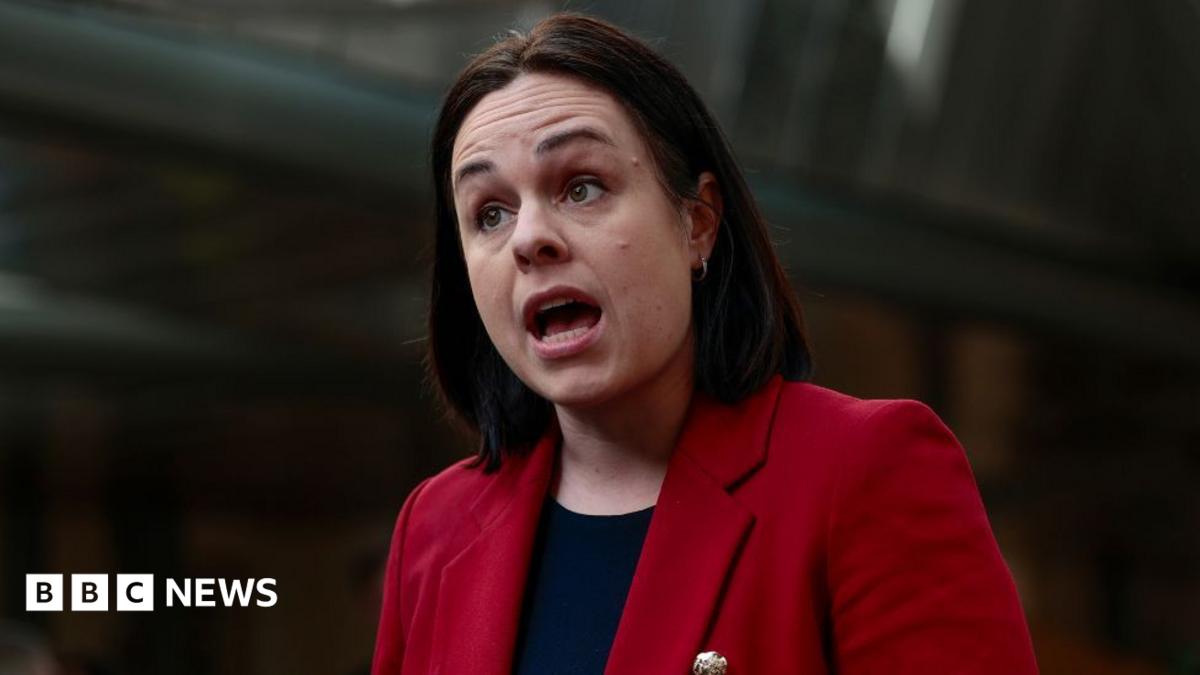
SNP leadership prospects have been thrust back into the spotlight after a former deputy first minister told the press she was a “slam dunk” candidate until her views on same-sex marriage became public and, she alleges, advisers told her to lie. The account first appeared in Forbes and was summarised by BBC News; this article sets out her claim, the wider context for internal party politics, and what remains unverified.
What the former deputy says
In a profile published by Forbes and later covered by BBC News, the former deputy first minister described herself as a “slam dunk” contender for party leadership before questions about same-sex marriage surfaced. She told the interviewers that once her views were known, advisers suggested she adopt a different public line — an instruction she characterised as being “advised to lie.” Those words are reported from the Forbes piece and relayed in the BBC summary.
The former deputy’s account, as reported by Forbes and noted by BBC News, emphasises two points: first, that she believes she had the internal support to be a leading candidate; and second, that a combination of her personal position on same-sex marriage and the alleged advice she received cost her that opportunity. Both outlets present the statements as the subject’s own account; neither Forbes nor BBC News independently verifies the advisers’ alleged instruction within those pieces.
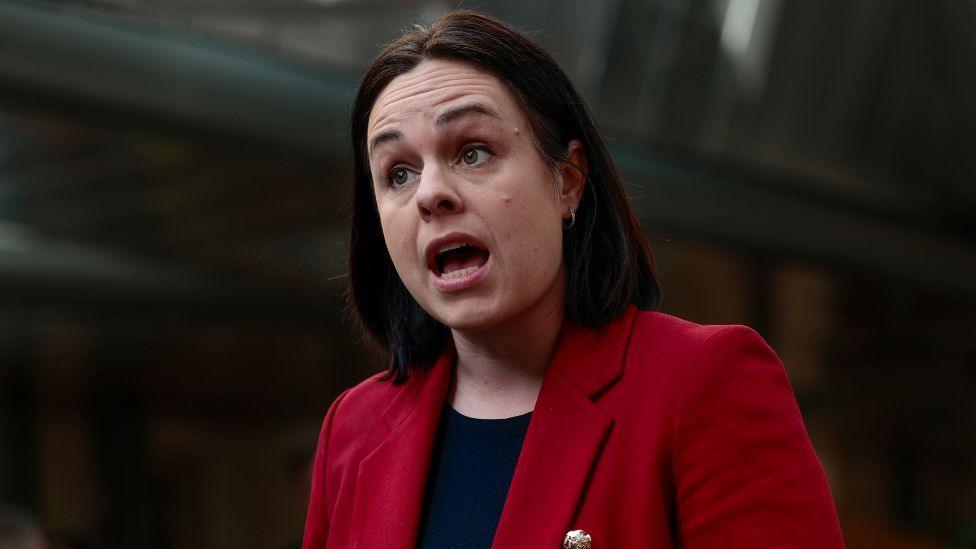
“I was a ‘slam dunk’ for leadership until revealing my views,” — reported in Forbes and summarised by BBC News as the former deputy’s description of the turning point in her leadership prospects.
SNP leadership considerations and the deputy’s claim
Leadership contests in major parties, including the Scottish National Party, often hinge on perceptions of electability, trustworthiness and how closely a candidate’s views align with active members and influential figures. The allegation that advisers suggested misrepresenting personal beliefs raises immediate questions about internal advice, vetting and the balance between private conviction and public positioning.
According to the former deputy’s account reported in Forbes and referenced by BBC News, once her stance on same-sex marriage was disclosed, some selectors and influencers reassessed her suitability. She says that advice to present an alternative public stance would have been intended to preserve broad support, but she frames that advice as tantamount to being asked to lie — a factor she says ended her leadership chance.
That narrative, if accurate, illustrates how social issues can shift dynamics quickly in internal ballots or informal endorsement processes. It also highlights the strategic calculations advisers and campaign teams make about messaging and coalition-building. Whether that advice was offered in the form she describes, or in other terms, is an open question pending corroboration.
Verification and sourcing
This article is based on two publicly available news reports: the original interview coverage in Forbes and a summarising report by BBC News. All direct claims about what the former deputy said are attributed to Forbes as reported and are referenced in BBC News coverage. Where the former deputy reports that advisers told her to lie, that is presented here as an allegation made by her in that interview.
Neither the Forbes profile nor the BBC News summary included independent corroboration of the specific claim that named advisers explicitly told her to lie. Party officials, advisers or other witnesses may be able to confirm or dispute those assertions; as of the time of writing, no such public corroboration is cited in the Forbes or BBC pieces that form the basis of this report.
Readers should treat the claim that advisers instructed dishonesty as an allegation by the former deputy, corroborated in reporting by Forbes and echoed by BBC News, but not independently verified in other public reporting available to this article. Any statement attributing motive or intent to named individuals or the party would require direct sourcing from those people or documentary evidence.
Political context
The Scottish National Party has navigated internal debates on constitutional and social questions while also managing the optics of leadership change. Social policy views — including on same-sex marriage — can matter to membership bases, potential electoral coalitions and party elites. A candidate perceived as unable to reconcile personal conviction with the party’s direction may face hurdles in gaining endorsements or votes from power brokers.
Allegations of being advised to conceal or alter personal views can deepen mistrust within a party and among the public if they stick. That dynamic can affect recruitment, messaging, and the broader credibility of candidate selection processes, particularly when leadership elections are closely watched by media and opponents.
What comes next
Likely immediate steps and follow-ups to watch for include:
- Official comment: the SNP may issue a statement addressing the former deputy’s account or decline to comment publicly.
- Requests for corroboration: journalists will seek witnesses, messages or documents to confirm whether advisers gave the alleged instruction.
- Internal party response: members or elected officials may call for an internal review or clarification of advisory practices around leadership bids.
- Further reporting: outlets that published the initial accounts (Forbes and BBC News) may publish follow-ups if new evidence or denials emerge.
Any denial or confirmation from named advisers or party officials would materially change the way this account is reported. For now, the central point remains that the claim exists publicly via Forbes and has been summarised by BBC News; its factual status depends on corroboration beyond the former deputy’s own statements.
Source attribution
This article draws on reporting first published in Forbes and summarised by BBC News. The specific allegations discussed here are the former deputy first minister’s account as reported in those outlets and are described above as allegations where relevant.
For the original coverage, see BBC News’ summary of the Forbes piece: I was ‘slam dunk’ for SNP leadership until revealing gay marriage views – Forbes. For the Forbes profile referenced by BBC, see Forbes’ site: Forbes.