Southern Water has introduced a hosepipe ban covering customers in Hampshire and the Isle of Wight, the BBC reports. The company says restrictions apply to parts of its supply area, following similar limits announced earlier by South East Water (BBC News).
What the BBC reported
The BBC reported that Southern Water is imposing restrictions on some customers in Hampshire and on the Isle of Wight. The move follows South East Water’s earlier restrictions in parts of the south‑east, making this the latest action in the region to reduce non‑essential outdoor water use (BBC News).
The BBC article summarised Southern Water’s announcement but did not publish detailed technical data such as reservoir levels, a drought declaration, or the company’s enforcement plan. For confirmation of which addresses are affected and the exact rules, Southern Water’s public notices are the official source.
Where the hosepipe ban applies
The ban is reported to affect Southern Water customers in Hampshire and on the Isle of Wight. That covers households and businesses supplied by Southern Water in the named areas; if you receive your water from a different supplier you may not be covered by this restriction (BBC News).
If you are unsure whether your property is on Southern Water’s network, check a recent bill or use the provider’s postcode lookup on its website for confirmation.
Hosepipe ban: practical rules residents should follow
Although the BBC report did not list exact prohibitions, most hosepipe bans restrict non‑essential external uses. Treat the ban as likely to include these common rules until Southern Water publishes a detailed list:
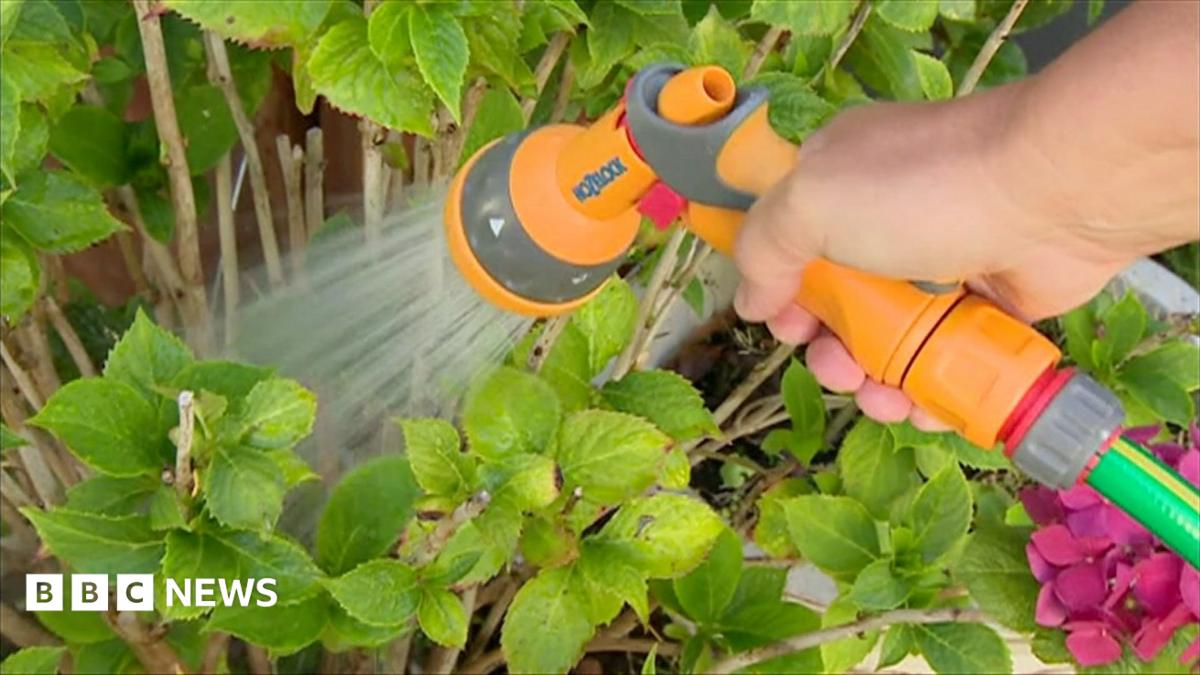
- Do not use a hose for watering lawns, gardens or plants unless an explicit exemption applies.
- Avoid filling or topping up home swimming pools, paddling pools or garden ponds using a hose.
- Do not wash cars at home with a hose; consider commercial car washes that recycle water.
- Delay or avoid washing driveways, patios and external walls with a hose, unless for health and safety reasons.
Short local examples: use a watering can to water hanging baskets in Winchester; collect rainwater in barrels for container plants in Fareham; delay filling paddling pools on the Isle of Wight until official guidance is clear.
Some uses are commonly exempted in other bans — for example, essential agricultural uses, emergency services, or medical needs — but residents should only assume exemptions if Southern Water confirms them.
Missing details and what residents should check
The BBC report does not specify three key items: the ban’s start date, how long the restrictions will last, and how Southern Water will enforce the measures. These are important gaps for gardeners, tradespeople and small businesses that rely on outdoor mains water.
Residents should check Southern Water notices for answers to:
- Exact start date and whether the ban is already in effect at your address.
- Which specific outdoor activities are prohibited and what exemptions exist.
- Whether fines, penalties or other enforcement measures will be applied and how they will be communicated.
- Guidance for businesses, farms and communal facilities such as caravan parks.
What residents can do now
While waiting for full details, you can take simple steps to reduce outdoor mains water use and limit disruption:
- Water plants early morning or late evening with a watering can instead of a hose.
- Collect and reuse rainwater for container plants where local rules permit.
- Delay non‑urgent gardening projects that need heavy watering, such as turf laying or seeding.
- Use a bucket and cloth for car cleaning if necessary, or postpone until restrictions lift.
Community groups and small businesses should review contingency plans, speak to suppliers and consider temporary adjustments to reduce dependence on mains water.
Troubleshooting: getting updates if you can’t access notices
If you can’t access Southern Water’s website, try these options: check the BBC News story linked below for updates, follow your local council’s social media feeds, or ask a neighbour if they have a printed notice. You can also contact Southern Water’s customer service through the channels listed on its official site for postcode‑specific information and to ask about exemptions.
Source, links and next steps for locals
This article is based on reporting by BBC News and summarises Southern Water’s announcement as reported by the BBC. For the most reliable and up‑to‑date information, consult Southern Water’s official notices and the BBC News report linked below. Southern Water publishes local restriction maps, a postcode checker and guidance on its website; these are the primary places to confirm whether your property is affected and to get instructions for exemptions.
Attribution: Primary source — BBC News: https://www.bbc.co.uk/news/articles/c17yv9710d9o. For official updates and contact details, see Southern Water: southernwater.co.uk.
FAQ
When does the hosepipe ban start?
The BBC report did not specify a start date. Check Southern Water’s public notices or contact its customer service for precise timing at your postcode.
Who is affected by the ban?
The BBC reports the ban applies to Southern Water customers in Hampshire and on the Isle of Wight. Confirm using your water bill or Southern Water’s postcode checker.
How can I get official updates?
Monitor Southern Water’s website and the BBC News link above for updates. Local councils may also share notices and advice for residents.
Attribution: This article is based on reporting by BBC News: https://www.bbc.co.uk/news/articles/c17yv9710d9o. Southern Water’s official site is at southernwater.co.uk.