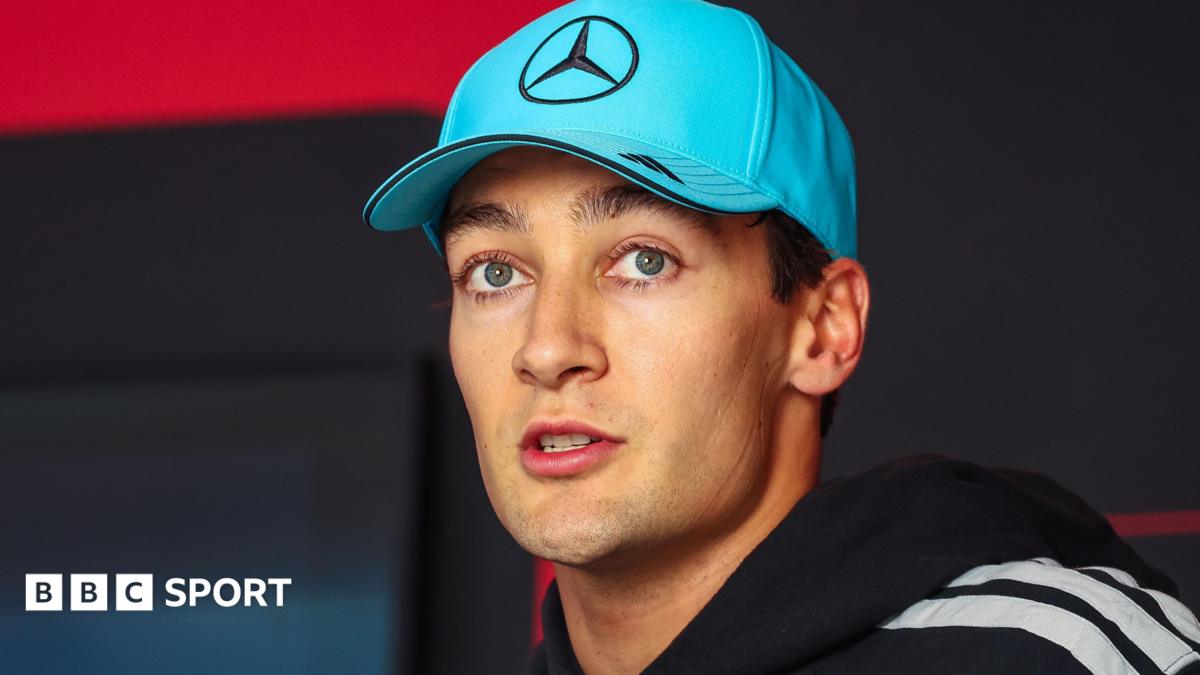
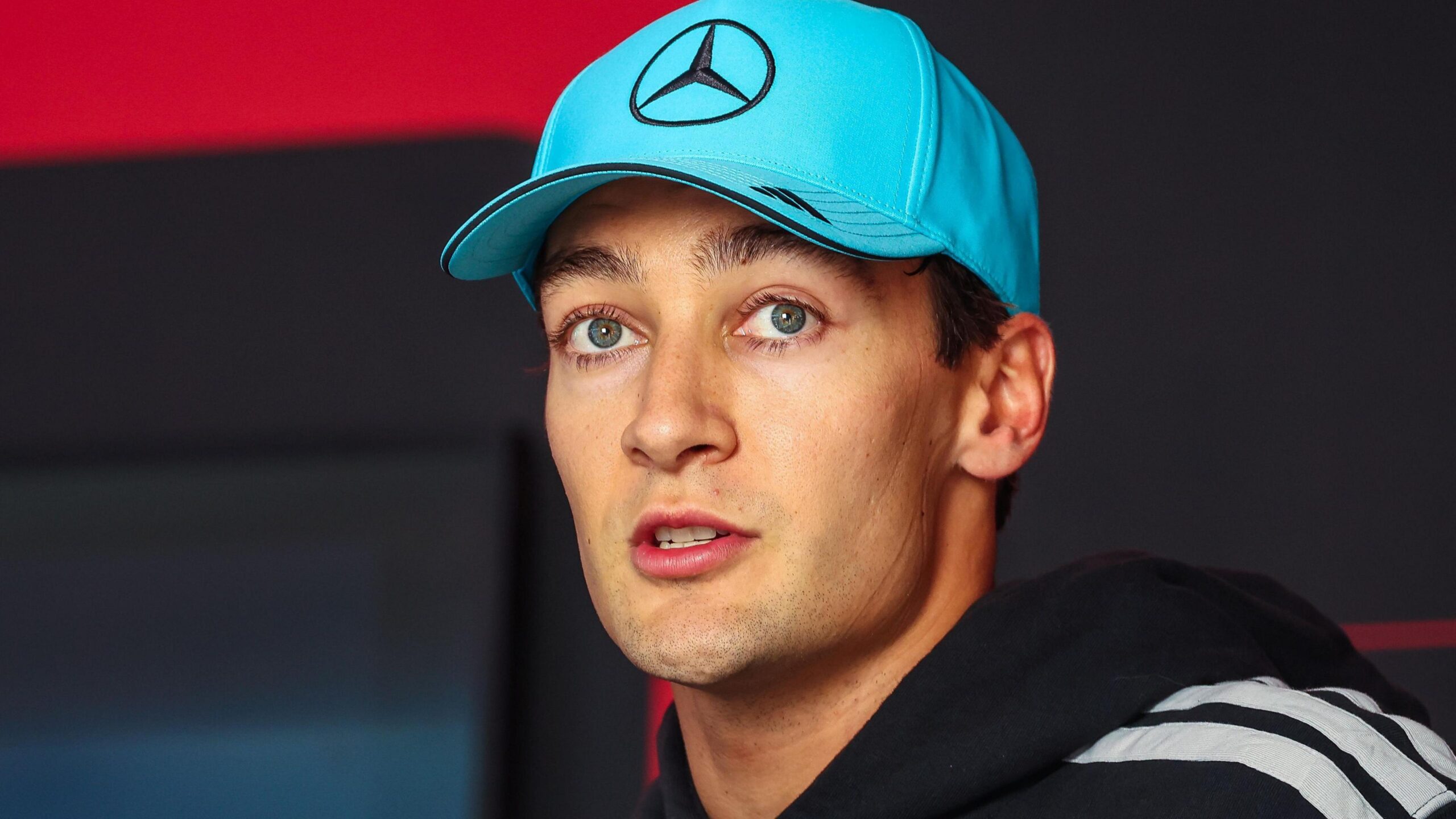
George Russell told BBC News he is “infuriated” after discovering what he called a “serious issue” with the straight-line performance of his Mercedes. He said the deficit left him feeling “powerless” and made the prospect of beating Kimi Antonelli for the championship “impossible.” The BBC reported the comments on 2026-07-18.
What George Russell said
Russell used forceful language about the scale of the setback. According to the BBC report, he described the car’s straight-line deficit as a “serious issue” and said it left him “powerless” on sections of track where top speed is decisive.
Those remarks, as relayed by the BBC, included Russell saying the problem is making his title fight with Kimi Antonelli “impossible.” He framed the issue as more than a single bad weekend: his comments suggested a material handicap that could recur at fast circuits.
How the straight-line performance affects the title fight
Straight-line performance is a core component of modern Formula 1 competitiveness. It determines top speed down long straights, affects the effectiveness of slipstreaming and overtaking, and alters the balance of risk when attacking or defending into corners that lead onto those straights.
If Russell’s car is consistently down on top speed relative to rivals, he can lose qualifying positions and be more easily overtaken in races. Over a season those lost places and extra pitstop pressure can compound into a significant points swing — the very thing a title contender cannot afford when locked in a duel with Kimi Antonelli.
Russell’s central claim, as reported by the BBC, is that the shortfall is large enough to change race-to-race outcomes. On circuits that reward raw top speed, the deficit could force him into defensive strategies and reduce opportunities to take advantageous positions on track, shifting momentum toward Antonelli.
What Mercedes has said and verification limits
Mercedes’ public response immediately after Russell’s comments was limited. The BBC piece does not include a detailed technical statement from the team confirming the specific straight-line fault described by the driver.
Importantly, the BBC report does not contain independent verification of the mechanical or aerodynamic cause of the reported shortfall. Teams, engineers and neutral analysts would normally consult telemetry, component checks and controlled comparisons before assigning a root cause.
That means Russell’s comments, as published by the BBC, should be read as his assessment of the car’s behaviour. There is a clear risk note here: without team confirmation or third-party telemetry, the exact source and scale of the problem remain unverified. Reporters and readers should therefore treat the claim as a primary account pending further evidence.
Race impact and what comes next
In the short term, teams try to reduce a straight-line deficit through setup compromises, aerodynamic adjustments and power-unit mapping changes. Those are iterative steps: some may provide immediate improvement, others only incremental gains across sessions.
Mercedes engineers will prioritise telemetry analysis to determine whether the deficit stems from hardware, a setup trade-off, or environmental conditions that change with track layout. Expected counter-measures include drag-reducing aero changes, revisions to wing settings and tweaks to engine modes to maximise top-end speed where regulations and reliability allow.
For Russell, the practical signs to watch at the next event are qualifying top speeds, slipstream performance on long straights, and race lap times compared with direct rivals. If the straight-line gap persists, he will face repeated tactical disadvantages versus Kimi Antonelli on fast circuits, which could systematically shift championship dynamics unless Mercedes can close the gap.
Source and context
This article is based on a BBC News report published on 2026-07-18 that quoted George Russell describing a straight-line performance shortfall with his Mercedes. The BBC reports the driver’s assessment and notes there was no independent technical confirmation in the piece. For the full original coverage, see the BBC report: https://www.bbc.co.uk/sport/formula1/articles/clyq6q12dkko?at_medium=RSS&at_campaign=rss
Risk note: this article summarises the BBC’s reporting and Russell’s comments. Where the BBC did not include team technical confirmation, those points are presented as claims by the driver pending verification.
FAQ
What exactly did George Russell say about the straight-line issue?
Russell told BBC News there is a “serious issue” with his car’s straight-line performance, saying it left him “powerless” and was making his title fight with Kimi Antonelli “impossible.” Those are the driver’s words as reported by the BBC.
Has Mercedes confirmed the straight-line performance problem?
As of the BBC report, Mercedes had not provided independent technical confirmation of the specific straight-line fault described by Russell. The BBC article contains no team-issued technical statement verifying the cause or scale of the issue.
Could this make the title fight with Kimi Antonelli unwinnable?
Russell said the issue could make the title fight “impossible” in his view. Technically, a sustained top-speed deficit can significantly hamper a driver’s ability to compete. Whether it becomes decisive for the championship depends on whether Mercedes can identify and rectify the problem in time.