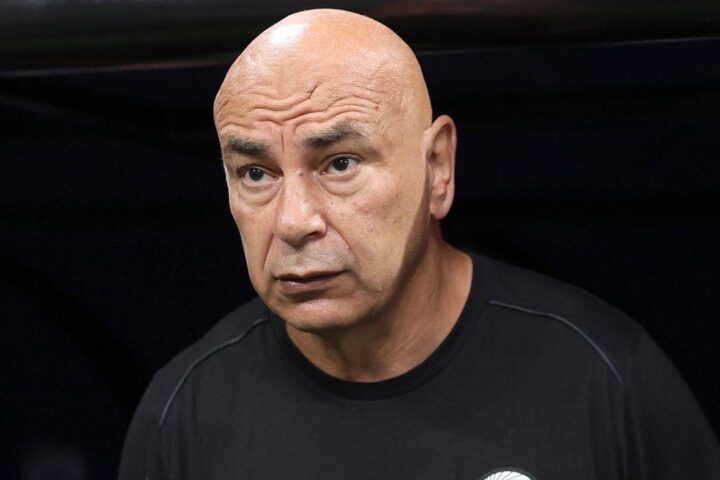
Graham Platner denied sexual assault allegations Monday after a Politico report prompted multiple Democrats to withdraw their public support and intensified debate within the party. Platner’s campaign called the account “troubling, serious and false,” adding, “Any accusation of nonconsensual behavior is categorically false.”
Graham Platner allegations and his response
Politico published the account on Monday, saying Jenny Racicot accused Platner of entering her home in 2021 while intoxicated and forcing sex, according to the reporting. The article attributed the claim to Racicot and presented her account as part of its package on Platner’s past relationships.
Platner pushed back forcefully. In a campaign video and written statement he rejected the description of events, said the reporting was inaccurate and emphasized that he would cooperate with any legitimate review. “Any accusation of nonconsensual behavior is categorically false,” the campaign said.
The campaign said it would “take the time to reflect on the best path forward,” but at the time of reporting had not announced an immediate withdrawal from the Maine Senate contest.
How top Democrats reacted
The Politico report set off a cascade of distancing by elected Democrats. Representatives Ro Khanna, Rashida Tlaib and Senator Ruben Gallego publicly rescinded their endorsements, according to media accounts. Other supporters moved to pause public praise while the facts were reviewed.
Senator Bernie Sanders said he had spoken with Platner and “recommended that he step aside,” though Sanders did not explicitly announce he was withdrawing an endorsement. Several members urged party leaders to evaluate the claims and said further information was needed to guide any formal action.
The swift rescissions reflect the pressure Democratic officials face when serious accusations surface during a competitive Senate race: leaders must balance due process, the safety of alleged victims, and the optics of continuing to back a candidate under scrutiny.
Supporter backlash and media accusations
Not all of Platner’s backers accepted the reporting at face value. Cenk Uygur, founder of The Young Turks, criticized mainstream outlets on social media, accusing them of “politically assassinating” Platner and warning the party that replacing him with establishment-friendly candidates would spark a backlash.
Uygur’s statements tapped into a broader argument among some on the left: that insurgent candidates face coordinated efforts from party insiders and pro–corporate PAC forces. He warned that choosing a replacement favoring corporate PACs or a closer alignment with Israel would deepen divisions within the Democratic coalition.
Those defenses contrast with the calls from others in the party for swift clarity and, if necessary, a candidate change — underscoring the split between establishment and insurgent wings over both personnel and strategy.
Campaign background and disputed details
Platner built his profile as an anti-establishment progressive, campaigning against corporate PAC influence and criticizing U.S. policy toward Israel. The insurgent message helped him attract endorsements and national attention before the recent reporting.
Previous reporting in The New York Times examined allegations from multiple women and raised other contested details about his personal life. One disputed element involves a chest tattoo a former partner described as a “Totenkopf.” The New York Times reported that a former partner, Lyndsey Fifield, said Platner referred to it as “my Totenkopf,” while Platner has said he was unaware of the symbol’s meaning until it was raised on the campaign trail.
Campaign aides and allies have emphasized Platner’s political platform and grassroots organizing, while critics point to the pattern of allegations reported by major outlets as disqualifying. Both the Politico and Times stories contributed distinct reporting that shaped the public response.
What comes next for the Maine Senate race
Immediate questions center on whether Platner will continue in the race and how rapidly party officials and endorsers will act. If Platner withdraws, Democrats would face a compressed window to identify and unify around an alternative, a process that could require quick vetting and fundraising to remain competitive.
If he remains, expect intensified scrutiny: more lawmakers may be asked to clarify their support, reporters will seek additional interviews with accusers and witnesses, and outside groups will weigh whether to invest in or oppose his candidacy. The campaign itself will need to decide whether to shift messaging, bring in surrogates, or offer further documentation to rebut the allegations.
State and national Democratic committees will likely monitor developments closely. Party leaders historically evaluate both legal considerations and political calculus when deciding whether to encourage a replacement, but there is no single, publicized timeline for those internal decisions.
Why the reporting matters
The controversy has reshaped the Maine contest by forcing allies and endorsers to weigh loyalty to an insurgent candidate against the potential political and ethical costs of defending someone accused of serious misconduct. The episode also highlights how quickly a candidate’s prospects can change when national outlets publish new allegations during a high-stakes primary or general campaign.
Reporting referenced in this story includes Politico and The New York Times; this piece also draws on coverage from Fox News. Journalists are likely to pursue further comment from Jenny Racicot, other women previously interviewed, Platner’s campaign, and Democratic officials as they consider endorsements and next steps.
Sources: Politico, The New York Times and Fox News.