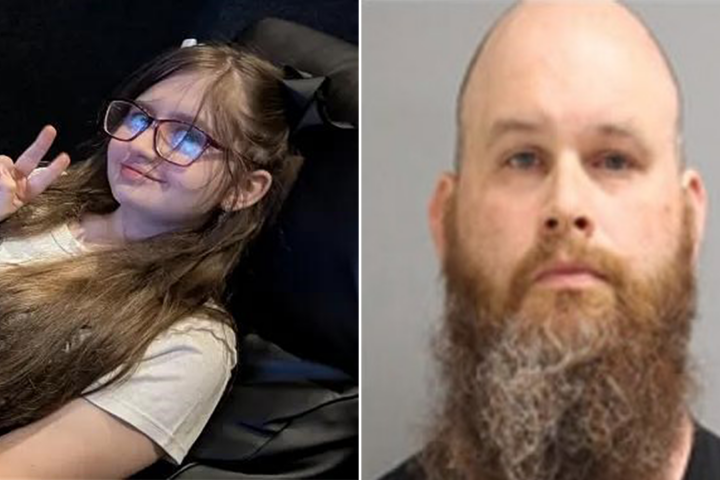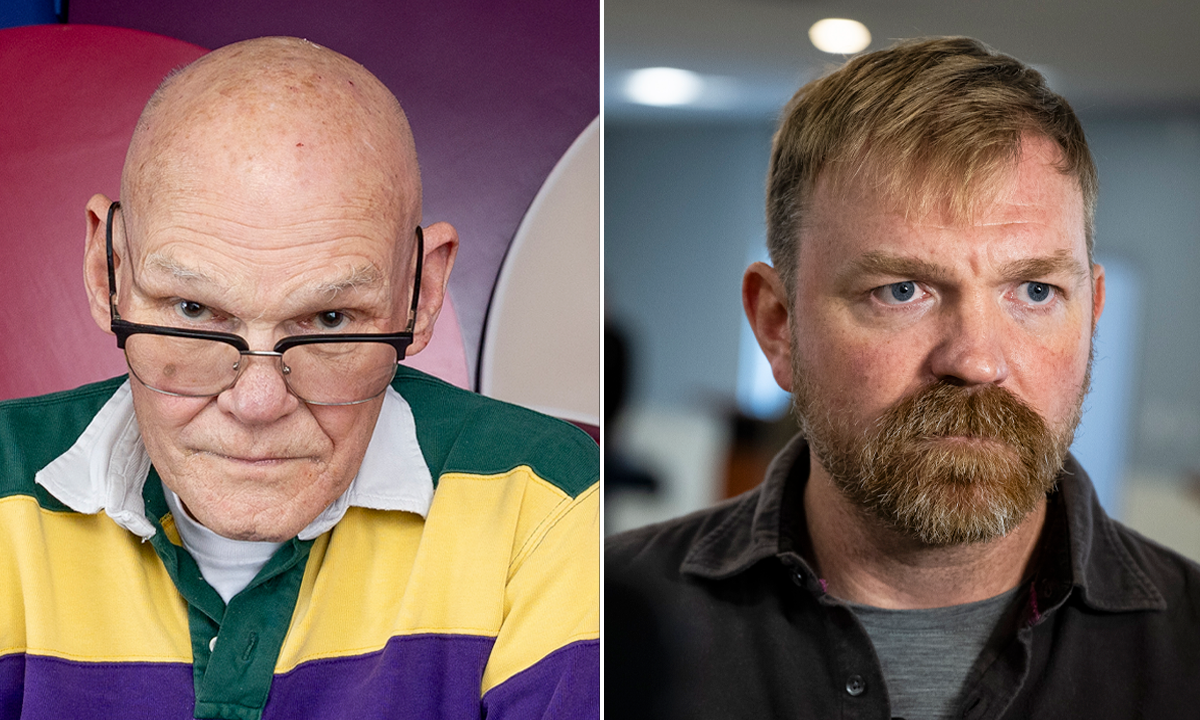
James Carville on the Politics War Room podcast accused Maine Democrats of failing to properly vet Graham Platner after a sexual-assault allegation surfaced this week, a critique that landed as the campaign denied the claim and party operatives scrambled. Carville’s comments put the spotlight back on how quickly the candidate’s rise outpaced routine opposition research — and on whether Democratic leaders should have uncovered past controversies earlier.
Graham Platner and the vetting critique
Carville framed the episode as a straightforward breakdown in candidate oversight: “If I look back on this … you didn’t vet your own candidate? You mean you didn’t know?” he asked on the podcast, arguing parties normally commission internal oppo research to surface potential liabilities before a campaign hits a broad public stage. His remarks explicitly named the party’s lapse as the political problem, not the underlying, contested allegation.
The allegation at the center of the controversy was made by Jenny Racicot in interviews reported by national outlets including Politico and CNN; those outlets and others treated her account as an allegation, and Graham Platner has publicly denied it. Fox News Digital also reported on Carville’s comments and said it reached out to the Platner campaign without an immediate reply.
Carville’s critique carries extra weight given his earlier public defenses of Platner during prior flare-ups. That apparent reversal from some defenders has deepened scrutiny of what party advisers knew and when — and whether the accelerated pace of Platner’s rise left gaps in the usual vetting process.
Allegation and Platner response
According to reporting by Politico and CNN, Racicot accused Platner of sexual assault dating back several years. Those reports presented the account as an allegation; Platner has denied the claim in public statements. News organizations have sought comment from both Racicot and Platner’s campaign as the story continued to develop.
The timing of the allegation — reported shortly before a key filing deadline in the Senate contest — intensified the political stakes. Campaigns and parties often face compressed windows to respond when damaging material surfaces near important calendar markers, and that urgency can magnify second-order effects such as donor withdrawals or loss of endorsements.
Vetting norms, party response and political fallout
Carville argued the episode exemplifies a common modern problem: younger consultants and fast-moving digital campaigns sometimes deprioritize the kind of internal opposition research that used to be standard. “You’re supposed to know these things before your guy is the nominee,” he said, framing vetting as preventive rather than reactive.
When allegations or past controversies surface late, party leaders must rapidly decide whether to stand by a nominee, impose conditions, or withdraw public support. That decision calculus involves legal, political and practical factors: the solidity of the reporting, the party’s tolerance for reputational risk, and the proximity of election deadlines.
In this case, some earlier defenders of Platner — including outside commentators and local allies — have publicly distanced themselves after the new allegation was reported. Media accounts describe a cascade effect: once one outlet reported the allegation and others followed, the political pressure on the campaign and party escalated quickly.
Past controversies tied to Platner
Reporting over the past months has compiled an array of controversies tied to Platner’s public profile. Those news accounts describe provocative rhetoric attributed to him, and some pieces referenced a tattoo that several outlets described as “Nazi-associated;” coverage framed those details as reported claims and descriptions rather than adjudicated fact. Earlier stories also included accusations from multiple former partners, which were reported as allegations at the time.
Some Democrats and commentators defended Platner during earlier rounds of scrutiny, but several of those defenders later moderated their positions in light of the new allegation. Journalistic accounts portray this as a cumulative pattern: multiple contested reports, taken together, intensified pressure and prompted renewed calls for clearer vetting practices.
What comes next for the race
Immediate next steps are procedural and political. The Platner campaign is likely to issue further statements, provide documentation or witnesses if available, and seek to limit the story’s traction with voters and donors. Party officials in Maine will privately review the record, consult advisers, and decide whether to continue public support depending on what, if any, corroboration emerges.
Because reporting placed the allegation close to filing and primary deadlines, decisions could come quickly. Typical moves in such scenarios include expedited internal reviews, calls for independent fact-finding if pressure mounts, and public reassessments of endorsements and fundraising appeals. If party leaders withdraw or condition their support, that would likely prompt a rapid reallocation of endorsements and resources in the state.
Observers say the timeline to watch is the immediate days following initial reports: campaigns and parties often act within 48 to 72 hours to contain reputational damage or to clarify standing. Journalists will continue to seek comment from both Racicot and Platner’s team, and outlets will update reporting as new information or responses are provided.
Reporting in this article is based on published accounts and public statements. The sexual-assault claim is reported as an allegation by Jenny Racicot; Graham Platner has denied it.
Source: Fox News. Additional reporting by Politico and CNN is cited in the text.