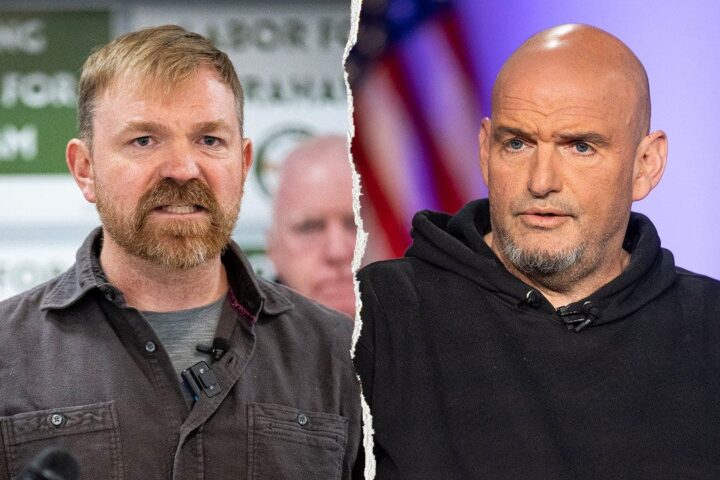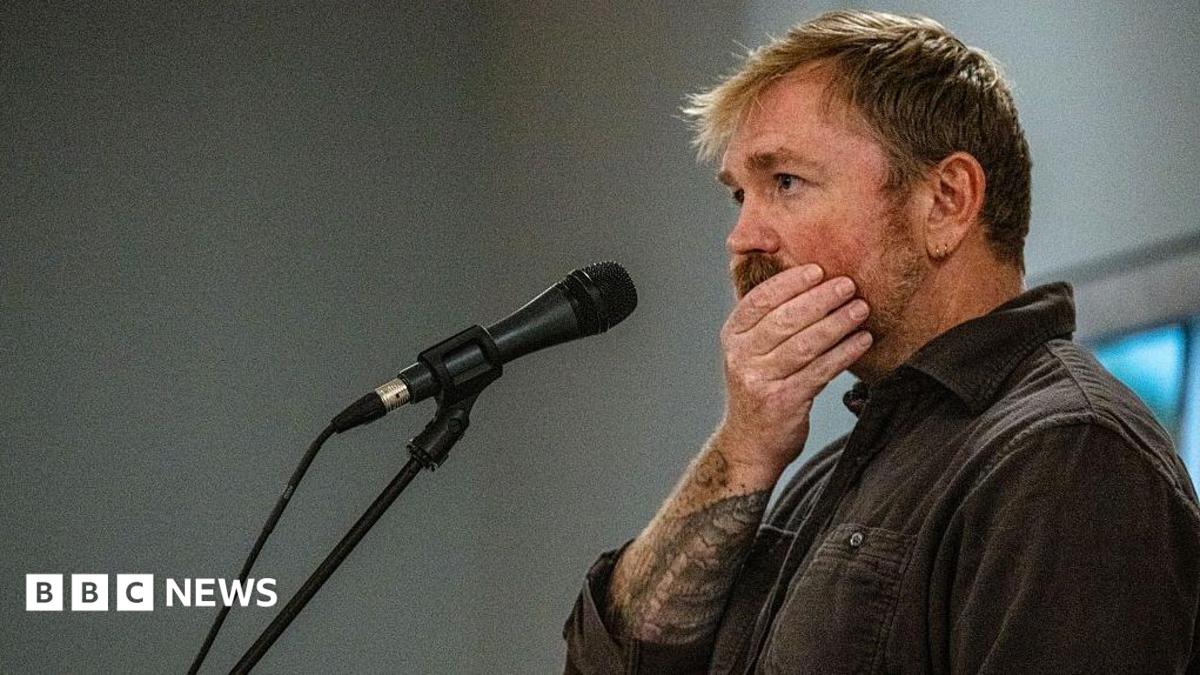
Graham Platner has dropped out of Maine’s Senate race, stepping away from his insurgent Democratic campaign days after an ex-girlfriend publicly accused him of sexual assault, BBC News reports. The rapid development leaves Democrats scrambling to stabilise a competitive, must-win contest.
The campaign announcement did not resolve the allegation; BBC News and other outlets have presented the claim as an allegation and it has not been proven in court. Party officials and campaign aides gave limited public comment in the immediate aftermath, and reporting indicates the decision to withdraw followed closely on the publication of the accusation.
Graham Platner drops out
Platner informed supporters he would no longer compete in the Democratic primary, ending an insurgent bid that had attracted attention from activists and some donors. BBC News reported the accusation and, within days of that story becoming public, coverage showed Platner announcing his exit.
Reporting does not establish a legal finding; the allegation remains unproven. News accounts describe a swift sequence of events — the accusation, media coverage and then Platner’s withdrawal — but do not provide a public timeline of the campaign’s internal deliberations beyond that narrow window.
Timeline of events
BBC News published its reporting on July 9, 2026, detailing a public accusation by a former partner that was described as an allegation of sexual assault. The story prompted immediate media attention and political reaction within the state.
Within days of the BBC article, Platner announced he was leaving the race. Media coverage ties the withdrawal closely in time to the accusation becoming public, though the campaign’s public statements did not lay out a detailed chronology of meetings or decision points that led to the exit.
The compressed timeframe left little opportunity for a full public airing of the facts or for the campaign to respond with extended statements. Local and national operatives had to begin reassessing strategy almost immediately, according to reporting that emphasised how quickly intra-party dynamics shifted.
Because the allegation has not been adjudicated, news outlets have framed details primarily as reported claims rather than established facts. BBC News remains the primary source cited in initial coverage of both the accusation and Platner’s subsequent withdrawal.
Impact on the Maine Senate race
The Maine Senate contest had been framed as a potentially decisive pickup opportunity for Democrats. Platner’s exit removes an active contender from the Democratic field and changes the arithmetic in a race described by party operatives as must-win.
With an insurgent candidate now out, the balance among remaining Democrats may shift. Endorsement flows, donor decisions and volunteer mobilisation could move quickly to benefit an established front-runner or a consensus alternative, depending on how party leaders and influential backers respond.
Republican strategists and outside groups are also likely to reassess resource allocation. A sudden change on one side of a tight race can prompt new advertising buys, messaging shifts and tactical moves aimed at exploiting perceived disarray.
What comes next for Democrats
Party officials face immediate choices about how to limit disruption and position the party for November. One early priority will be stabilising fundraising and grassroots organisation so the campaign apparatus does not lose momentum in the closing stretch.
Options available to Democrats include consolidating support behind an existing candidate, seeking to recruit a new entrant quickly, or urging the field to coalesce to avoid a prolonged or divisive primary fight. Each path carries political trade-offs related to timing, electability and unity.
Endorsement timing will be crucial. High-profile endorsements from state and national figures can direct donor flows and signal to voters where to focus support, but endorsers will weigh the reputational risks of backing candidates while serious allegations remain unresolved.
Operationally, campaigns will need to accelerate outreach to voters, refresh messaging to address the sudden personnel change, and shore up get-out-the-vote planning. Local organiser networks and small-dollar donor channels could determine how quickly any replacement or beneficiary campaign regains full competitiveness.
Beyond immediate tactical choices, Democrats will also have to weigh ethical and legal considerations. Party leaders may be cautious about promoting figures linked to unresolved allegations while also trying to maintain a competitive posture in a race they view as essential.
Background
Platner had been described in reporting as an insurgent candidate within the Democratic primary — someone who challenged established party figures and appealed to voters seeking change. His candidacy introduced volatility and energised portions of the electorate that wanted an alternative to traditional party options.
The sequence of a public allegation followed by a rapid withdrawal is a reminder of how personal conduct issues, once reported, can swiftly reshape political contests, especially in closely fought races where margins and momentum matter.
Source and attribution
This article is based on reporting by BBC News. The allegation against Graham Platner has been reported publicly and should be treated as an allegation until independently verified or resolved through legal proceedings. Details in this piece that relate to timing and the public accusation are drawn from the BBC’s coverage on July 9, 2026.
Source: BBC News.