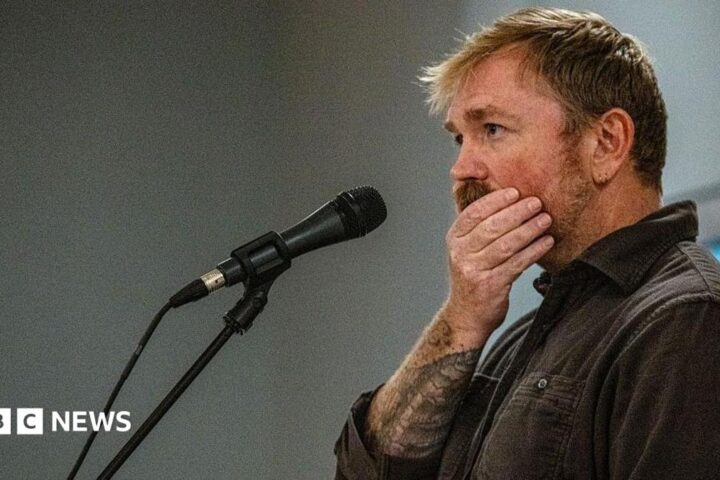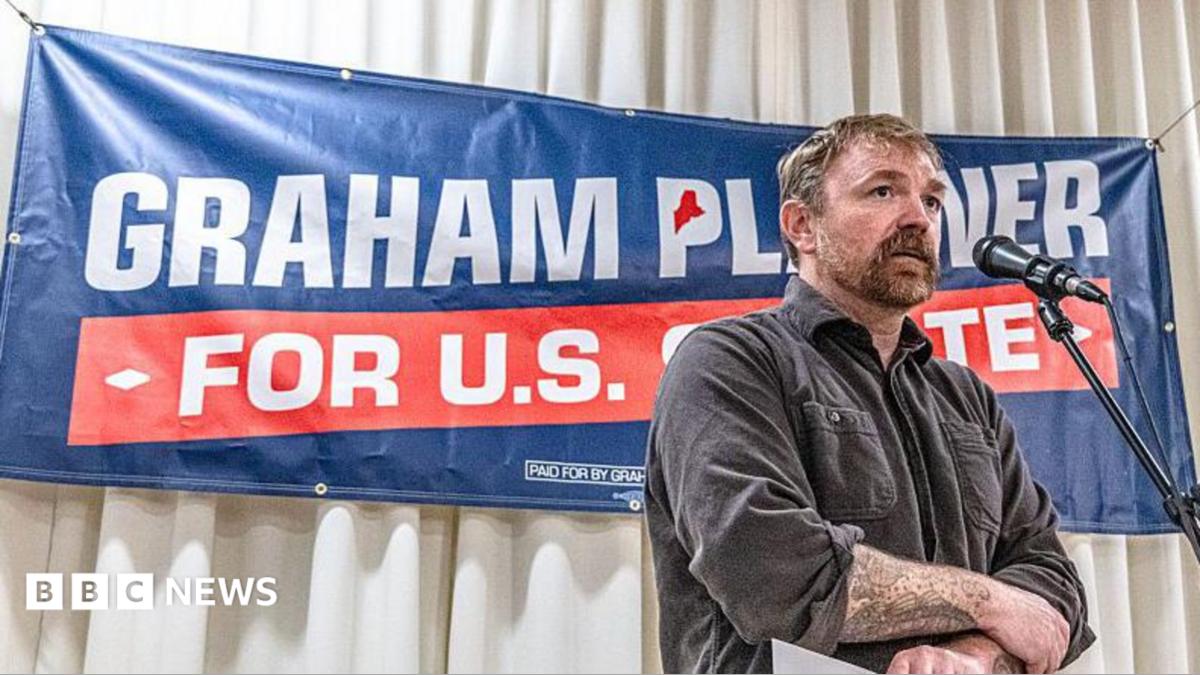
Democrat Graham Platner has dropped out of the Maine US Senate race, his campaign confirmed on Tuesday. The BBC reported the development and said the decision followed growing calls from fellow Democrats after an allegation was published. Platner denied the report, calling the allegation “categorically false,” and his campaign said the claim is untrue. The allegation remains unconfirmed in public records and has not been independently verified.
Democrats press Platner to withdraw
According to the BBC, multiple Democratic figures and party operatives publicly urged Graham Platner to withdraw in the hours before his announcement. The BBC’s reporting described a rising number of officials and allies saying the campaign could not continue given the cloud created by the report.
The calls for withdrawal, as reported, came from local and national Democrats concerned about the optics and electoral implications for a competitive Maine Senate contest. Platner’s campaign said it rejected the pressure and disputed the accuracy of the published allegation, but the accumulation of party requests preceded his decision to step aside.
Allegation and Platner’s response
The specific allegation referenced in reporting by the BBC has not been publicly detailed and remains unconfirmed. News outlets and the BBC treat the matter as an allegation rather than an established fact because it has not been independently verified in court or through official records made available to the press.
Graham Platner and his campaign released a statement denying the report and calling it “categorically false.” The campaign’s denial is the primary public rebuttal to the allegation as of publication. Given the unconfirmed status of the claim, reporting has been cautious and has emphasized that the matter has not been substantiated.
Impact on the Maine US Senate race
Platner’s withdrawal immediately removes a candidate from the Democratic primary field in Maine. That change requires the state Democratic party and relevant officials to follow their replacement procedures for a withdrawn candidate; those procedures can include committee or convention actions, depending on state and party rules, and will determine how quickly a new name is selected for the ballot.
The short-term practical effects are procedural: party organizers must decide how to nominate or certify a replacement, and campaign calendars will be adjusted to reflect the altered field. Fundraising decisions, endorsements and voter attention will next be directed toward the remaining Democratic contenders. How the change affects the general election matchup will depend on who becomes the eventual nominee and the timing of any selection process.
Observers and reporters note that the withdrawal changes the dynamics of the primary by reopening a lane for other candidates who had been competing for similar constituencies. However, the ultimate electoral impact is uncertain and will hinge on choices made by party leaders, potential candidates, donors and voters in the coming days and weeks.
Background: Platner and the contest
Graham Platner had been campaigning in the Democratic primary for a high-profile U.S. Senate seat in Maine. The contest drew attention from national and local observers because of its potential importance to both parties’ Senate strategies. Platner’s campaign positioned him as a contender within the Democratic field prior to his withdrawal.
The BBC’s initial report framed the exit as occurring amid mounting internal party pressure tied to the publication of an allegation. Beyond the campaign’s denial and the BBC’s reporting, further independent confirmation or legal findings have not been made public.
Source and next steps
The BBC first reported Graham Platner’s withdrawal and the surrounding developments, noting his denial and the increasing calls from fellow Democrats for him to step aside. Platner’s campaign statement denying the allegation was also reported in that coverage.
What to watch next: Maine Democratic officials will provide guidance on the formal process to replace a withdrawn candidate, including any deadlines or committee actions that apply. Reporters and the public will watch for additional reporting that might provide further detail about the allegation and for any official inquiries or legal steps that could follow.
Because the allegation remains unconfirmed, news organizations emphasize caution while facts are developed. Parties and candidates will likely update voters and donors as procedural decisions are made and as reporting continues.
Source: BBC News reported the developments. See the BBC story for the initial reporting and any subsequent updates: BBC News – Democrat Graham Platner drops out of key US Senate race in Maine.
Frequently asked questions
Why did Graham Platner withdraw?
Platner withdrew after an allegation against him was reported and, as the BBC described, a growing number of Democrats urged him to step aside. He denied the allegation and called it “categorically false,” according to his campaign statement.
What allegation was reported and is it confirmed?
The BBC reported an allegation but did not provide publicly verified details; the claim remains unconfirmed by independent verification or public records. Reporting treats the matter as an allegation rather than an established fact.
How will this affect the Maine US Senate race?
The withdrawal removes a candidate from the Democratic primary field and requires the party to follow its rules for replacing a withdrawn candidate. The effect on the general election will depend on who becomes the nominee and the timing of the replacement process.
Attribution: This article is based on reporting by BBC News and the public statement from Graham Platner’s campaign. For the original reporting and updates, see: BBC News.