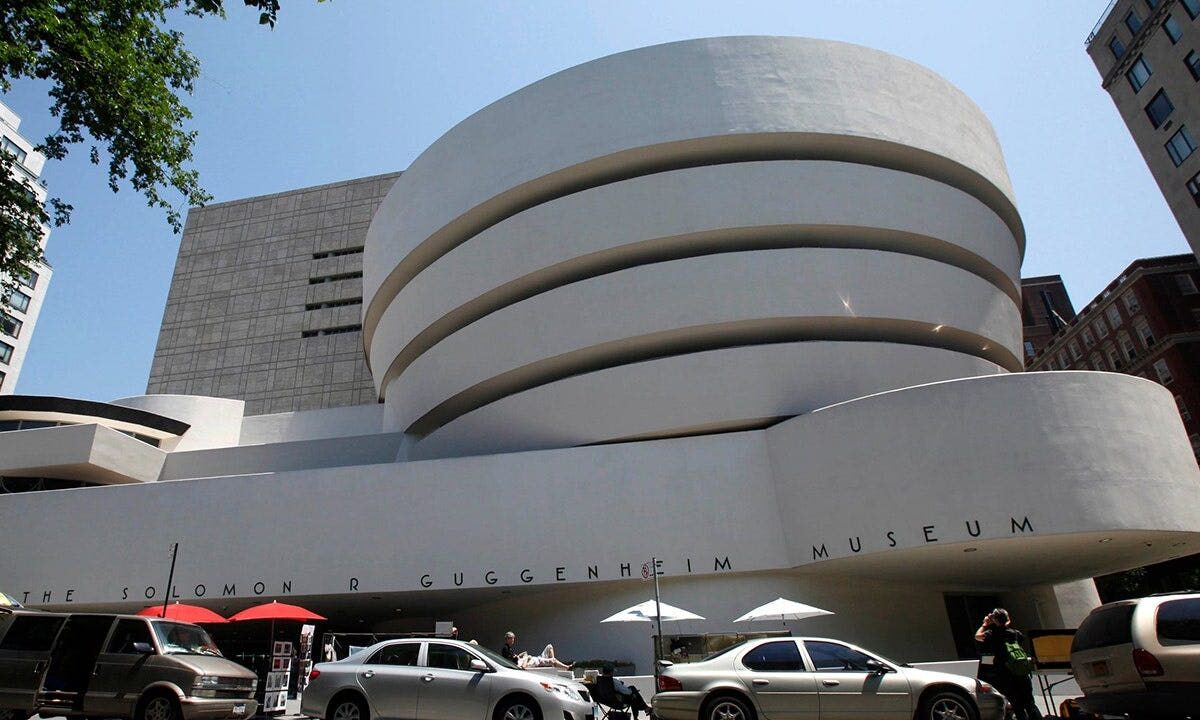
The Guggenheim Museum Legionella result was confirmed this week as city crews ordered 31 buildings on Manhattan’s Upper East Side to clean and disinfect rooftop cooling towers after tests detected the bacteria that can cause Legionnaires’ disease.
The Solomon R. Guggenheim Museum on Fifth Avenue is among 19 buildings that city officials say have already completed disinfection, with crews working to finish the remaining sites. The museum released a statement saying the city confirmed there is no additional action needed inside the building and that this poses no risk to people inside the museum.
Guggenheim Museum Legionella test and immediate response
City health officials notified building owners after routine or outbreak-related sampling found Legionella in a cooling tower associated with the Guggenheim. The NYC Health Department ordered cleaning and disinfection of the affected mechanical systems that use water to control temperature and environment, directing owners to follow prescribed remediation and verification steps.
Disinfection work in the neighborhood is part of a coordinated public-health response. Officials told reporters the goal of the orders is to remove the bacteria from towers and confirm results with follow-up sampling before systems return to normal operation. The Guggenheim and other site owners have engaged licensed remediation crews to complete those steps under city oversight.
How big is the outbreak on the Upper East Side
More than 50 people have been diagnosed with Legionnaires’ disease in connection with the Upper East Side outbreak, according to city reports and local media coverage. Fewer than 20 people remain hospitalized, officials said. City and public health investigators continue to seek the exact source or sources of exposure and stress that case and hospitalization counts may change as testing and investigations proceed.
Public health agencies are actively monitoring the situation and updating guidance as results from follow-up testing and case investigations become available. For official updates and guidance, the NYC Health Department has posted information on its website and continues to coordinate with health care providers and building owners in the area.
Cooling towers, how Legionella spreads and the real risks
Cooling towers are components of many commercial building HVAC and refrigeration systems. When contaminated water is aerosolized by these systems, tiny droplets can carry Legionella pneumophila into nearby outdoor air, and people who inhale that mist can develop Legionnaires’ disease.
Legionnaires’ disease is not spread from person to person. Infection typically occurs after inhaling contaminated aerosolized water. The bacteria naturally occur in the environment and can multiply under warm, stagnant conditions inside towers or other water systems if not properly maintained.
Symptoms usually begin a few days to up to two weeks after exposure and commonly include fever, chills and shortness of breath; cough, muscle aches and headache are also frequent. Because symptoms resemble other respiratory illnesses, clinicians may test for Legionella when patients report relevant exposures. When detected, Legionnaires’ disease is treatable with antibiotics, and early medical attention reduces the risk of severe complications.
What officials and the museum are saying
The NYC Health Department has ordered testing and remediation for cooling towers in the affected area and is coordinating with building owners to ensure disinfection and verification sampling are completed. City officials said these measures are aimed at removing bacteria from mechanical systems and protecting public health.
The museum released a statement saying, “The city has confirmed that there is no additional action needed at this time, and this poses no risk to anyone inside the building.” It added that cleaning of the identified mechanical systems is being completed in line with city orders and that the institution is cooperating with municipal officials.
What residents and visitors should do now
Anyone who lives, works or has visited the affected area since late June and develops flu-like symptoms should contact a health care provider immediately. Watch for fever, chills and shortness of breath, especially if symptoms worsen or do not improve.
Seek urgent medical care if you experience severe difficulty breathing, chest pain, confusion or other warning signs. Tell clinicians about possible exposure in the Upper East Side so testing and treatment for Legionnaires’ disease can be considered promptly.
Building managers and owners should follow NYC Health Department protocols for testing, disinfection and ongoing maintenance of cooling towers to prevent recolonization. That typically includes engaging licensed remediation teams, completing verification sampling after treatment, and maintaining proper records and monitoring to reduce future risk.
Background and context
Cooling-tower-linked outbreaks have occurred in New York City before and prompted strengthened oversight of building water systems. Public health investigators emphasize that licensed remediation and verification sampling help confirm towers are clear before systems are returned to normal operation. The city’s actions in this case reflect that established approach to outbreak response and prevention.
Officials note that preventing Legionella growth depends on regular maintenance, monitoring and rapid response when testing indicates contamination. The public-health response focuses on identifying and treating cases, stopping ongoing exposure, and preventing further illnesses.
FAQ
Can Legionnaires’ disease spread between people?
No. Public health authorities say Legionnaires’ disease does not spread from person to person. Infection typically occurs when people inhale aerosolized water containing Legionella bacteria.
Should I avoid visiting the Guggenheim Museum now?
The museum and city officials say there is no additional action needed inside the building at this time. If you are feeling well, there is no official city directive to avoid visiting. If you develop symptoms after visiting, contact a health care provider and mention the possible exposure.
What are the signs that I should see a doctor?
See a health care provider if you develop fever, chills, cough or shortness of breath after being in the affected area. Mention possible exposure so clinicians can evaluate you for Legionnaires’ disease and begin treatment if indicated.
Health guidance and case counts may change as officials complete testing and the investigation. Residents and visitors should follow updates from the NYC Health Department and seek medical care for concerning symptoms.
Source: Fox News — “Popular NYC museum tests positive for Legionnaires’ disease bacteria amid outbreak”. For official guidance and updates see the NYC Health Department: https://www.nyc.gov/site/doh/index.page.