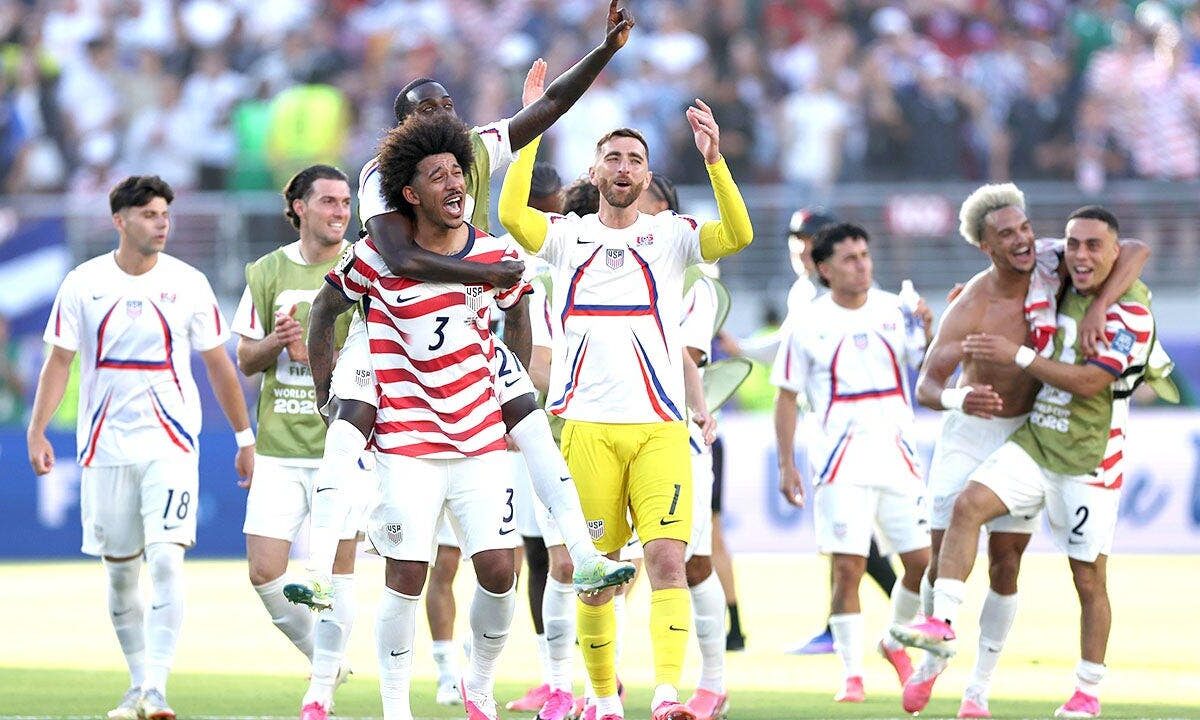
“That summer of ’94, it was incredible. It was unprecedented what we did in ’94, to be honest with you…” John Harkes said to Fox News Digital, tying the 1994 World Cup to the current surge around the United States men’s national team. Harkes called the present knockout-stage run a “full-circle moment,” saying the history of 1994 helps explain why this year’s performances matter beyond the pitch and how they echo back into youth soccer today.
Harkes — a member of the 1994 squad who remains active as a youth technical director and U15 assistant coach — frames the team’s run as both sporting progress and an opportunity to grow the game at the grassroots level. He noted that moments of national attention can accelerate investment in coaching and facilities, but that those gains require deliberate mentorship to be lasting.
Why 1994 still matters for the United States men’s national team
Harkes and other veterans point to the 1994 World Cup as a catalytic moment in U.S. soccer culture. Playing on home soil brought new fans, youth participation and the first sustained momentum behind professional leagues and coaching education. Harkes said the Summer of ’94 docuseries helps preserve those stories for new audiences and offers context for why this generation feels the pressure and potential.
“You look back on the years that we played and what we contributed to the game back in 1990 and ’94. It was massive being here,” Harkes told Fox News Digital, adding that the anthem and stadium atmosphere still generate intense emotion for players from that era. He described the present squad’s run as a continuation of that legacy rather than a break from it.
How this United States men’s national team reached the knockout stage
The current USMNT advanced from the group phase and then recorded a win over Bosnia and Herzegovina to reach the knockout rounds, according to match reports and tournament summaries cited by Fox News Digital. That result set up a high-stakes match against Belgium with a quarterfinal place on the line.
A win over Belgium would place the United States among the final eight at the tournament — the furthest the side has advanced since the 2002 World Cup. Harkes and other former players view that possibility as confirmation of long-term development trends: better youth coaching, more professional opportunities for young players and improved scouting networks worldwide.
Harkes on coaching and youth development
Beyond nostalgia, Harkes uses his platform to push for higher coaching standards and clearer mentorship paths. He is technical director at McLean Youth Soccer and works with the USA U15 setup, giving him direct experience with the pipeline that feeds the senior national team.
“We are building platforms for these kids to not just have fun and compete but to have life skills. We need to be mentors,” Harkes said, urging coaches to prioritize clear communication and player-first development in comments to Fox News Digital. He criticized a win-at-all-cost mentality that can erode confidence and limit long-term growth.
Harkes has been involved with the “Yes, Coach!” initiative and often emphasizes that effective youth coaching balances technical instruction with emotional support. He argues that the leverage created by a successful senior team should be reinvested into coach education, facilities and programs that keep young players engaged and healthy.
What a Belgium win would mean
For the immediate tournament, beating Belgium would be a landmark: advancement to the World Cup quarterfinals, heightened media focus and a prolonged spotlight on the U.S. program. Historically, a quarterfinal appearance would mark the best U.S. performance since 2002 and offer a tangible milestone for the federation’s long-term planning.
Longer-term, veterans like Harkes say such success can accelerate investment in youth academies and coaching certification. He described the 1994 team as having “woken up a nation,” and suggested another deep tournament run could produce similar effects: more kids enrolling in clubs, more parents demanding quality coaching, and more public and private funding funneled into the sport.
What to watch next
The upcoming match against Belgium could be decided by marginal tactical choices and key individual moments. Observers should watch how the U.S. defends set pieces, how quickly it transitions from defense to attack, and whether its forwards can finish limited chances. Pay attention to young attackers who have carried momentum into the tournament and to midfielders tasked with controlling tempo.
Coaching adjustments, substitutions and game management will be primary narrative threads. Harkes’s focus on mentorship suggests another layer to monitor: how younger players cope under pressure and whether coaching staffs maintain calm, clear messaging when the stakes are highest.
Closing note
As the tournament progresses, the overlap between sporting results and youth development will be central to the national conversation. The Summer of ’94 docuseries and Harkes’s public remarks create a throughline from past to present: moments of success can and should be converted into sustained improvements at the grassroots level. For Harkes, the present USMNT run is a chance to reinforce lessons learned in 1994 and ensure future generations benefit.
FAQ
Who is John Harkes and why does he matter to U.S. soccer?
John Harkes is a former U.S. international who played on the 1994 World Cup team. He is now a youth technical director at McLean Youth Soccer and an assistant with the USA U15 team. Harkes remains a visible voice in discussions about the sport’s history and development in the United States.
What would a win over Belgium mean for the United States men’s national team?
A win would send Team USA into the World Cup quarterfinals — the furthest the team has advanced since 2002 — and would likely extend media attention, public interest and potentially spur greater investment and youth participation in U.S. soccer.
How does Harkes describe the role of youth coaching in U.S. soccer?
Harkes stresses mentorship, clear communication and a player-first approach. He warns against a win-at-all-cost mentality and says coaches should help children enjoy the sport while teaching teamwork, life skills and respect for the game.
Source: Fox News Digital