More than eight million households are now subject to hosepipe bans, the BBC reports, as water companies introduce temporary restrictions to limit non-essential outdoor water use. The scale of these measures is drawing attention to both immediate household impacts and longer-term questions about how water resources are managed.
This guide explains the top-line facts, how to check whether your household is affected, what the bans typically restrict, practical steps you can take now, and why the measures have raised broader policy concerns.
Top line: who is affected
Hosepipe bans have been introduced by several suppliers and now apply to more than eight million households, according to BBC reporting. The restrictions are local and vary by supplier, but together they represent a major wave of temporary measures aimed at protecting essential supply.
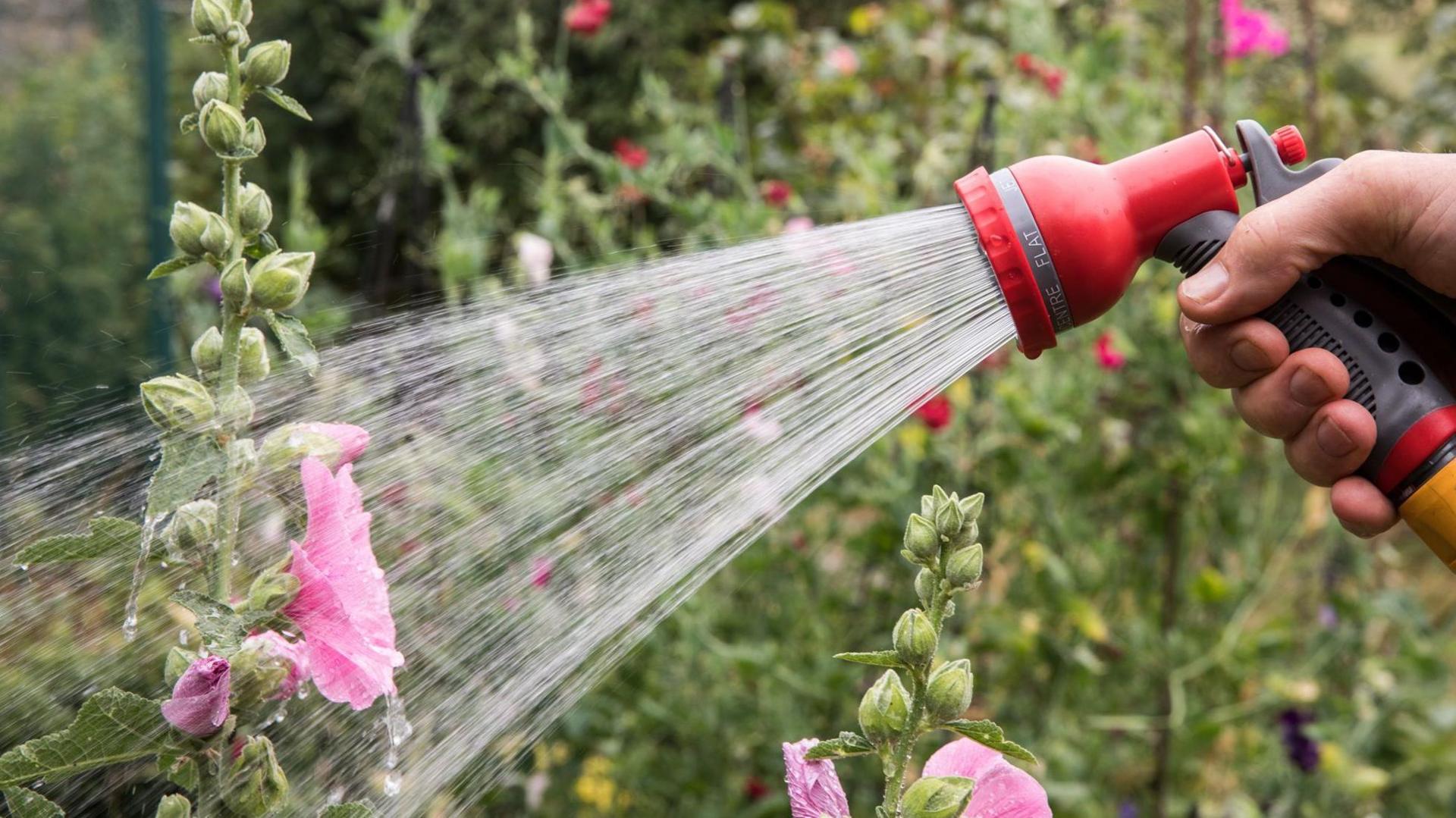
For many households this means stopping use of hoses or sprinklers in gardens and pausing other non-essential outdoor water uses until conditions improve. The goal is to preserve water for indoor and health-critical uses during periods of low supply or high demand.
Is your area under a hosepipe ban?
Follow these simple steps to check whether your postcode or household falls inside a hosepipe ban area:
- Visit your water supplier’s official website and look for a section on service updates, water restrictions or local notices — many sites offer postcode lookup tools or maps showing affected areas.
- Sign up for alerts if the supplier offers email or SMS updates so you receive notices as restrictions change.
- Check your local council’s website and community pages for additional notices, particularly about public parks, allotments or communal taps that might be affected.
- Read supplier communications such as bill inserts, emails or texts — these often list effective dates, any exemptions and contact details for questions.
When searching, look for terminology like “hosepipe ban,” “temporary outdoor water restriction,” or “water-saving measures.” Notices should state the start date and whether certain uses (for example, licensed contractors or health-related exemptions) are allowed.
What the bans mean for everyday water use
Hosepipe bans focus on non-essential outdoor uses. Typical prohibitions include using a hose to water lawns and flowerbeds, operating sprinklers, filling or topping up paddling pools and using hoses to wash vehicles or patios. Essential indoor activities — drinking, cooking, bathing and flushing toilets — remain a priority and are not the target of these bans.
Practical adjustments for households under a ban:
- Water plants with a watering can or use stored rainwater in a water butt rather than a hose.
- Delay car washing, pressure-washing patios and other non-essential outdoor cleaning until restrictions are lifted.
- Fix leaks and run full loads in washing machines and dishwashers to reduce indoor demand.
- Use shorter showers and turn off taps while brushing teeth to conserve water.
Community facilities and landlords should check whether shared outdoor taps and communal maintenance activities need to be paused or adapted to comply with local notices.
Why this raises questions about water resources
The recent expansion of hosepipe bans has prompted debate about long-term resilience and management of water resources. The BBC published its report on 15 July 2026, highlighting the number of households affected and sparking public questions about planning and investment.
Observers say that repeated or widespread bans point to the need for clearer long-term planning: transparent information on reservoir and groundwater levels, agreed trigger points for restrictions, demand-reduction strategies and targeted infrastructure investment. Water firms state that they act on local supply data and regulatory guidance, but the current wave of bans has intensified calls for more consistent public data and communication.
Questions being raised include how thresholds for bans are set, whether alternatives to bans could reduce disruption, and how to balance environmental pressures with consumer needs over time.
What comes next
The immediate outlook depends on rainfall, reservoir and groundwater recovery and decisions by individual suppliers. Some bans may be explicitly time-limited; others will remain until local conditions improve. Suppliers typically publish updates on expected review dates and on the indicators that will be used to lift restrictions.
Households should monitor supplier updates and local council notices. Expect communications describing how and when restrictions may be eased, and whether any temporary exemptions will be granted for specific uses or organizations.
For community groups, landlords and businesses with outdoor water needs, check for local guidance on permitted activities and consider contingency plans such as alternative water sources for essential outdoor operations.
Quick tips for households under a hosepipe ban
- Prioritise indoor savings: shorter showers, full washing machine loads and efficient dishwashing.
- Collect and store rainwater legally and safely for garden pots and established plants.
- Use a bucket and sponge for essential outdoor cleaning rather than a hose.
- Share accurate information with neighbours to help cut community demand.
Frequently asked questions
How can I find out if my postcode is in a hosepipe ban area?
Check your water company’s website first; many suppliers have postcode lookup tools or maps showing current restrictions. Sign up for alerts and consult local council notices for complementary guidance.
What household actions are banned under a hosepipe ban?
Typical bans cover non-essential outdoor uses: watering gardens with a hose, filling paddling pools, using sprinklers or washing cars with a hose. Indoor essential uses such as drinking, cooking and bathing are not targeted by these bans.
How long do hosepipe bans usually stay in place?
There is no single answer. Duration depends on local supply conditions, rainfall and reservoir levels. Water companies publish review dates and criteria for lifting restrictions — check supplier updates for the latest guidance for your area.
Source: BBC News — Hosepipe ban in force for millions of households – is your area affected?